May 2024 Was World's Second-Hottest on Record, EU Climate Service Reports

May 2026 ranked as the second-hottest May globally since records began in 1850, with Europe hit by an unusually early and intense heatwave that broke national temperature records in Britain, France, Ireland, and Portugal. The EU's Copernicus Climate Change Service reported a global average surface air temperature of 15.81°C, second only to May 2024, while the WHO separately announced that more than 200,000 lives have been lost to heat in Europe since 2022. Scientists and health officials warn that climate extremes are becoming the 'new normal,' with an emerging El Niño event raising the risk of further record-breaking temperatures through 2027.
According to the EU's Copernicus Climate Change Service, confirmed by NASA and NOAA, May 2026 was the second-warmest May in global records dating to 1850, behind only May 2024, with a global average surface air temperature of 15.81°C. A 'heat dome' of warm air from northern Africa drove an unusually early and intense heatwave across western Europe, with 'feels-like' temperatures of 35–40°C across large parts of the continent; a temperature anomaly chart from ERA5/C3S shows a sharp cold-to-heat transition in late May well above the 1991–2020 seasonal norm. National temperature records for May were broken in the UK, France, Ireland, and Portugal, and NOAA data show record-high May temperatures covered 6% of Earth's surface, with the global temperature percentile map confirming near-universal above-average warmth. The WHO warned that more than 200,000 people have died from heat in Europe since 2022, calling heat a 'silent killer' and launching new guidelines on protecting vulnerable populations. Ocean surface temperatures were also the second-highest on record for May, and the World Meteorological Organization places an 80% probability on El Niño developing between June and August 2026, with forecasts suggesting it could be among the strongest on record and push global temperatures to historic highs in 2027. Beyond the immediate heat crisis, Copernicus noted that the world recorded its highest burned area for any January–May period in at least 15 years, with more than 150 million hectares burned globally, roughly double the recent average. A separate analysis published in the journal Science also highlighted that so-called indirect greenhouse gases — including carbon monoxide, nitrogen oxides, and volatile organic compounds — account for roughly 15% of warming to date and remain largely outside international climate accounting frameworks.
Data: C3S/ECMWF (Copernicus Climate Change Service)
Limitations & open questions
The sources do not specify the precise methodology differences between NOAA, NASA, and Copernicus that occasionally produce slightly different rankings, nor do they detail the confidence intervals around the 200,000 heat-death figure cited by the WHO or the attribution methodology used to classify deaths as heat-related.
How coverage differed
All outlets reported the same core Copernicus and NOAA findings with minimal framing differences; Yale Climate Connections provided the most granular scientific detail including NOAA statistics, sea ice data, and wildfire figures, while Forbes framed the same climate trends primarily through a workforce and economic productivity lens rather than a public health or scientific one.
What different sources said
- The Straits TimesCenter
May was the world's second-hottest on record, EU scientists say
- The Japan TimesCenter
Scientists urge countries to look beyond CO2 to tackle warming
- EuronewsCenter
EU monitor warns of 'new normal' following record temperatures in May
- NDTVCenter
World Witnessed Second-Hottest May On Record: EU's Climate Monitor
- Yale Climate ConnectionsCenter
May 2026 was the world’s second-warmest May on record
- Phys.orgCenter
Heat claimed more than 200,000 lives in Europe since 2022: WHO
- ForbesCenter
Extreme Weather Is Becoming A Workforce Crisis
Related
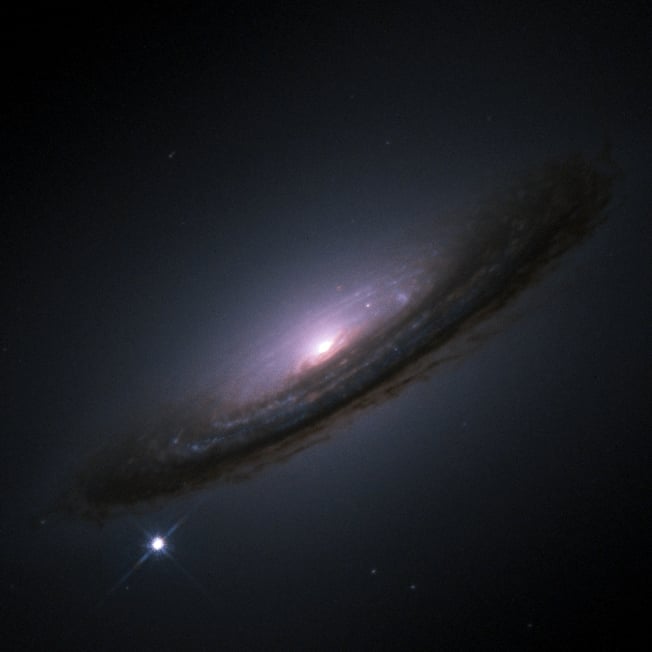
Nobel Laureates Rebut Study Claiming Universe's Expansion Is Slowing, Confirm Acceleration Continues
An international team of astrophysicists, including Nobel laureates Adam Riess and Brian Schmidt, has published a study in the Monthly Notices of the Royal Astronomical Society confirming that the universe's expansion is still accelerating. The rebuttal targets a late-2024 South Korean study that had claimed dark energy was weakening, a finding that would have overturned nearly three decades of cosmological understanding. The new study identifies two specific methodological errors in the earlier work, restoring confidence in the standard model of cosmic acceleration while leaving the deeper mystery of what dark energy actually is unresolved.

Study Finds Trees May Store Less Carbon Than Climate Models Predict
A new study published in Science Advances found that oak trees stop growing months before they stop photosynthesizing, meaning increased carbon uptake does not necessarily translate into more wood growth and long-term carbon storage. Researchers analyzed 137 sites across the US, finding that 26–36% of annual carbon uptake occurred after tree growth had already ceased, with drought and heat identified as key triggers for halting growth. The findings suggest that widely used climate models, which assume photosynthesis and growth are tightly linked, may be overestimating forests' future capacity to sequester carbon.
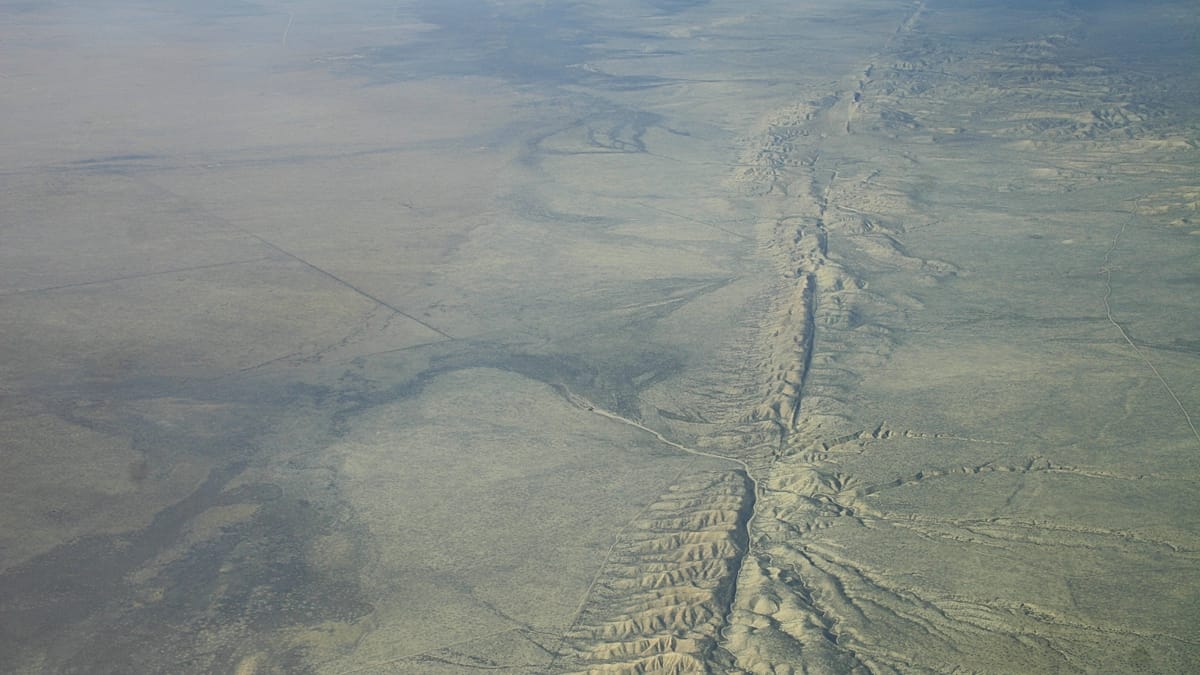
San Andreas Fault Stress Reaches Highest Level in 1,000 Years, Study Finds
A new peer-reviewed study finds that tectonic stress on Southern California's San Andreas and San Jacinto fault systems has reached its highest levels in at least 1,000 years, with the San Jacinto-Bernardino section measuring 3.6 megapascals. The research, led by the University of Hawaiʻi at Mānoa and published in the Journal of Geophysical Research: Solid Earth, used a computer model drawing on geological data including radiocarbon dating and tree-ring records to reconstruct a millennium of earthquake history. The findings cannot predict when a major earthquake will occur but are intended to improve hazard assessments, inform building codes, and guide emergency preparedness in a region home to millions.