JUNO experiment achieves unprecedented precision in neutrino measurements
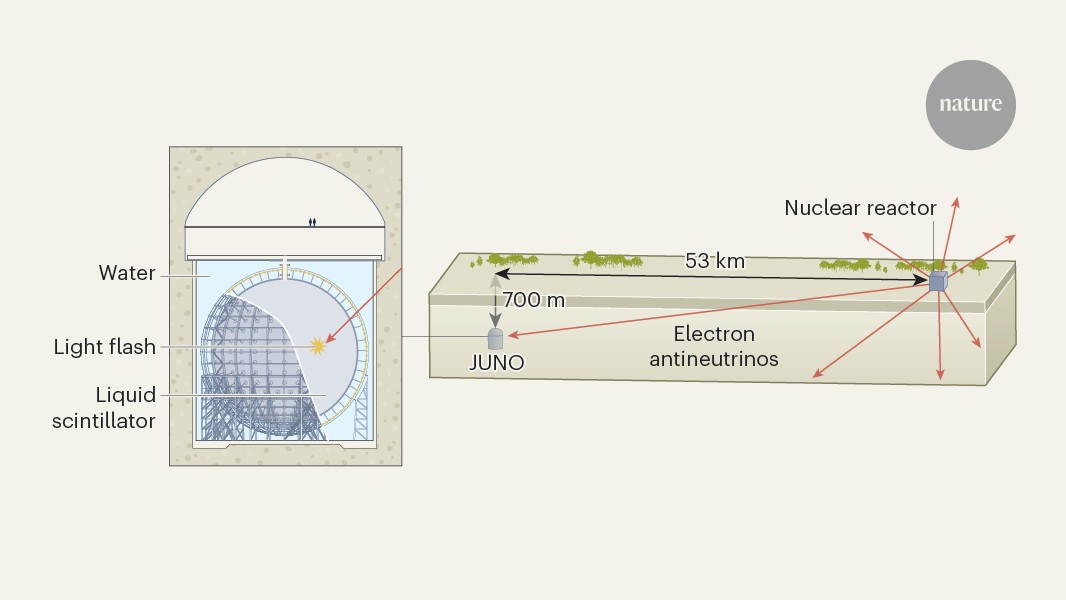
The Jiangmen Underground Neutrino Observatory (JUNO) in China has published its first physics results in Nature, reporting record-precision measurements of two key neutrino oscillation parameters based on 59 days of data collected between August and November 2025. The experiment, located 700 meters underground in Guangdong Province, uses a 20,000-tonne liquid scintillator sphere studded with tens of thousands of photomultiplier tubes to detect antineutrinos from nearby nuclear reactors. The results reduce measurement uncertainties by a factor of 1.6 compared to decades of prior combined experiments, establishing JUNO as a leading facility in the emerging precision era of neutrino physics.
JUNO, which began data collection in August 2025, has released its debut scientific findings as a cover article in Nature on June 10, 2026, drawing on 59 days of validated data. The collaboration, led by the Institute of High Energy Physics of the Chinese Academy of Sciences and involving over 700 researchers from 75 institutions across 17 countries, measured two fundamental neutrino oscillation parameters with a precision 1.6 times better than the best previous combined results. The detector detects electron antineutrinos from two nearby nuclear power plants via inverse beta decay, in which antineutrinos interact with protons in the liquid scintillator to produce a prompt positron signal and a delayed neutron capture signal, both captured by the dense array of 20,000 large and 25,600 small photomultiplier tubes visible in construction photographs. The results also confirmed a persistent ~1.5 standard deviation discrepancy between solar and reactor neutrino measurements of one oscillation parameter, known as the 'solar neutrino tension,' though they do not yet resolve it. JUNO's primary long-term goal — determining the neutrino mass ordering, i.e., whether two of the three neutrino flavors are heavier or lighter than the third — remains an open question that the experiment is designed to answer with more data. Nobel laureate Arthur McDonald praised the detector as having met its design objectives in energy resolution, radiopurity, and stability. Future competing detectors, Japan's Hyper-Kamiokande and the U.S.-based Deep Underground Neutrino Experiment, are expected to begin data collection within the next decade and will cross-check JUNO's results using different methodologies.
Limitations & open questions
The study's own key limitations include that only 59 days of data were used, which is insufficient to resolve the primary goal of determining neutrino mass ordering; the 'solar neutrino tension' (~1.5 sigma discrepancy) is confirmed but not explained; and the raw data and analysis code are not publicly available.
How coverage differed
Chinese state-affiliated outlets (CGTN, China Daily, CAS, Mirage News) emphasized national achievement, JUNO's record-setting precision, and China's growing role in global particle physics, while Western outlets (AP, Nature News, ScienceAlert) focused more on the broader scientific context, the unresolved neutrino mass ordering question, and the detector's future potential rather than framing it as a national milestone.
What different sources said
First Physics Result of Jiangmen Underground Neutrino Observatory Published in Nature
- Phys.orgCenter
An underground detector in China unveils its first major findings about mysterious ghost particles
- Mirage NewsCenter
Jiangmen Neutrino Observatory Reveals First Physics Result
- Nature NewsCenter
Chinese detector edges closer to solving the mystery of neutrino mass
- news.cgtn.comCenter
China's JUNO publishes first physics result in Nature
- AP NewsCenter
An underground detector in China unveils its first major findings about mysterious ghost particles
- Science DailyCenter
Giant underground neutrino detector brings scientists closer to cracking the neutrino puzzle
- New York PostRight
Massive underground detector aimed at understanding mysterious ghost particles in universe releases first major findings
- ScienceAlertCenter
Giant Underground Detector Releases First Major Findings on Ghost Particles
- SciTechDailyCenter
Hidden Phase of Matter Finally Captured After Decades of Predictions
- China DailyCenter
JUNO achieves record neutrino measurements
Related
Nobel Laureates Rebut Study Claiming Universe's Expansion Is Slowing, Confirm Acceleration Continues
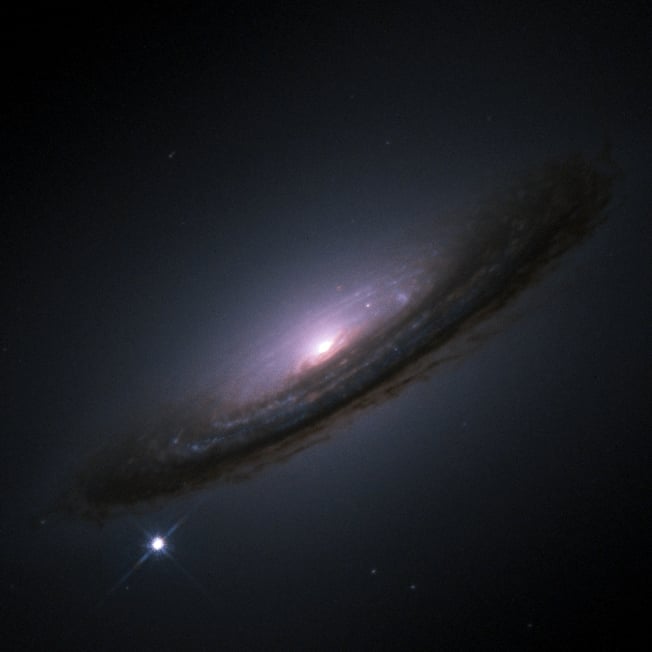
An international team of astrophysicists, including Nobel laureates Adam Riess and Brian Schmidt, has published a study in the Monthly Notices of the Royal Astronomical Society confirming that the universe's expansion is still accelerating. The rebuttal targets a late-2024 South Korean study that had claimed dark energy was weakening, a finding that would have overturned nearly three decades of cosmological understanding. The new study identifies two specific methodological errors in the earlier work, restoring confidence in the standard model of cosmic acceleration while leaving the deeper mystery of what dark energy actually is unresolved.

Study Finds Trees May Store Less Carbon Than Climate Models Predict
A new study published in Science Advances found that oak trees stop growing months before they stop photosynthesizing, meaning increased carbon uptake does not necessarily translate into more wood growth and long-term carbon storage. Researchers analyzed 137 sites across the US, finding that 26–36% of annual carbon uptake occurred after tree growth had already ceased, with drought and heat identified as key triggers for halting growth. The findings suggest that widely used climate models, which assume photosynthesis and growth are tightly linked, may be overestimating forests' future capacity to sequester carbon.
San Andreas Fault Stress Reaches Highest Level in 1,000 Years, Study Finds
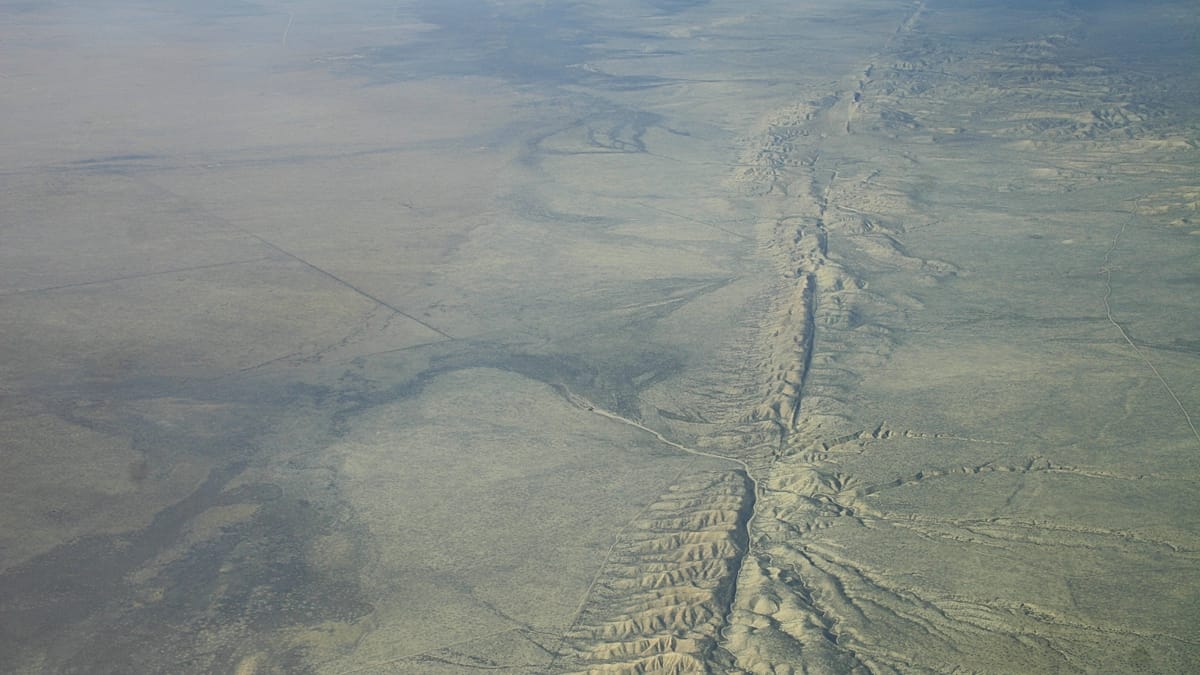
A new peer-reviewed study finds that tectonic stress on Southern California's San Andreas and San Jacinto fault systems has reached its highest levels in at least 1,000 years, with the San Jacinto-Bernardino section measuring 3.6 megapascals. The research, led by the University of Hawaiʻi at Mānoa and published in the Journal of Geophysical Research: Solid Earth, used a computer model drawing on geological data including radiocarbon dating and tree-ring records to reconstruct a millennium of earthquake history. The findings cannot predict when a major earthquake will occur but are intended to improve hazard assessments, inform building codes, and guide emergency preparedness in a region home to millions.