Japan Successfully Launches H3 Rocket with Six Satellites After Previous Failure
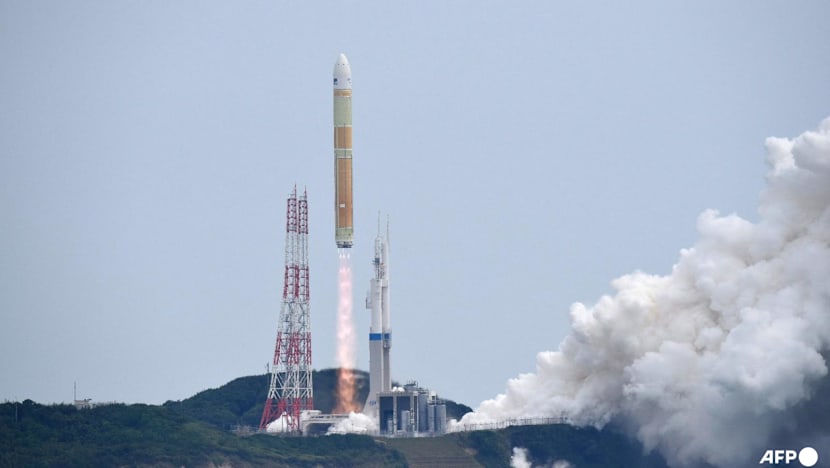
Japan's JAXA successfully launched its H3 rocket on June 12, 2026, delivering six small satellites to orbit roughly six months after a failed mission in December 2025. The flight marked the debut of the H3's new three-engine, booster-free '30 configuration,' designed to reduce launch costs and improve market competitiveness. The success is a significant step for Japan's ambitions to capture a larger share of the growing global satellite launch market.
The H3 Launch Vehicle No. 6 lifted off from the Tanegashima Space Center in Kagoshima Prefecture at 9:53 a.m. local time on June 12, 2026, reaching its target orbit approximately 16 minutes after launch. JAXA president Hiroshi Yamakawa confirmed the rocket placed its second stage into the intended orbit and successfully separated all six satellite payloads, including one testing space debris capture technology. The mission was H3's eighth overall launch and the first to use the three-engine LE-9 configuration without solid rocket boosters, a lower-cost variant intended to strengthen Japan's position in the commercial launch market. The previous H3 mission in December 2025 failed due to a damaged payload adapter, which caused the loss of the Michibiki 5 geolocation satellite and damage to the second stage. JAXA said it thoroughly investigated the failure and implemented countermeasures before proceeding with this flight. Japan is targeting up to eight H3 launches per year, though this remains far behind SpaceX, which conducted 165 Falcon 9 orbital flights in 2025. The successful launch comes amid broader challenges for Japan's space sector, including a failed third attempt by private firm Space One to reach orbit in March 2026.
Limitations & open questions
The specific technical countermeasures JAXA implemented following the December 2025 payload adapter failure are not detailed in any of the sources. Additionally, the commercial pricing of the new H3 '30 configuration' relative to competitors is not specified.
What different sources said
- Channel NewsAsiaCenter
Japan flagship rocket lifts off after earlier failure
- The Japan TimesCenter
Japan successfully launches H3 rocket
- Space.comCenter
Japan's H3 rocket bounces back from failure with successful return to flight launch carrying 6 satellites
- The HinduCenter
Japan flagship rocket lifts off after earlier failure
Related
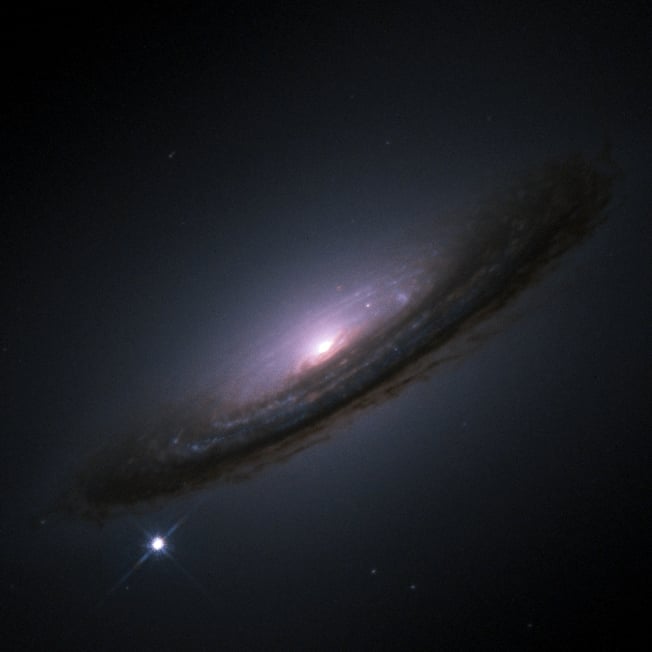
Nobel Laureates Rebut Study Claiming Universe's Expansion Is Slowing, Confirm Acceleration Continues
An international team of astrophysicists, including Nobel laureates Adam Riess and Brian Schmidt, has published a study in the Monthly Notices of the Royal Astronomical Society confirming that the universe's expansion is still accelerating. The rebuttal targets a late-2024 South Korean study that had claimed dark energy was weakening, a finding that would have overturned nearly three decades of cosmological understanding. The new study identifies two specific methodological errors in the earlier work, restoring confidence in the standard model of cosmic acceleration while leaving the deeper mystery of what dark energy actually is unresolved.
Study Finds Trees May Store Less Carbon Than Climate Models Predict
A new study published in Science Advances found that oak trees stop growing months before they stop photosynthesizing, meaning increased carbon uptake does not necessarily translate into more wood growth and long-term carbon storage. Researchers analyzed 137 sites across the US, finding that 26–36% of annual carbon uptake occurred after tree growth had already ceased, with drought and heat identified as key triggers for halting growth. The findings suggest that widely used climate models, which assume photosynthesis and growth are tightly linked, may be overestimating forests' future capacity to sequester carbon.
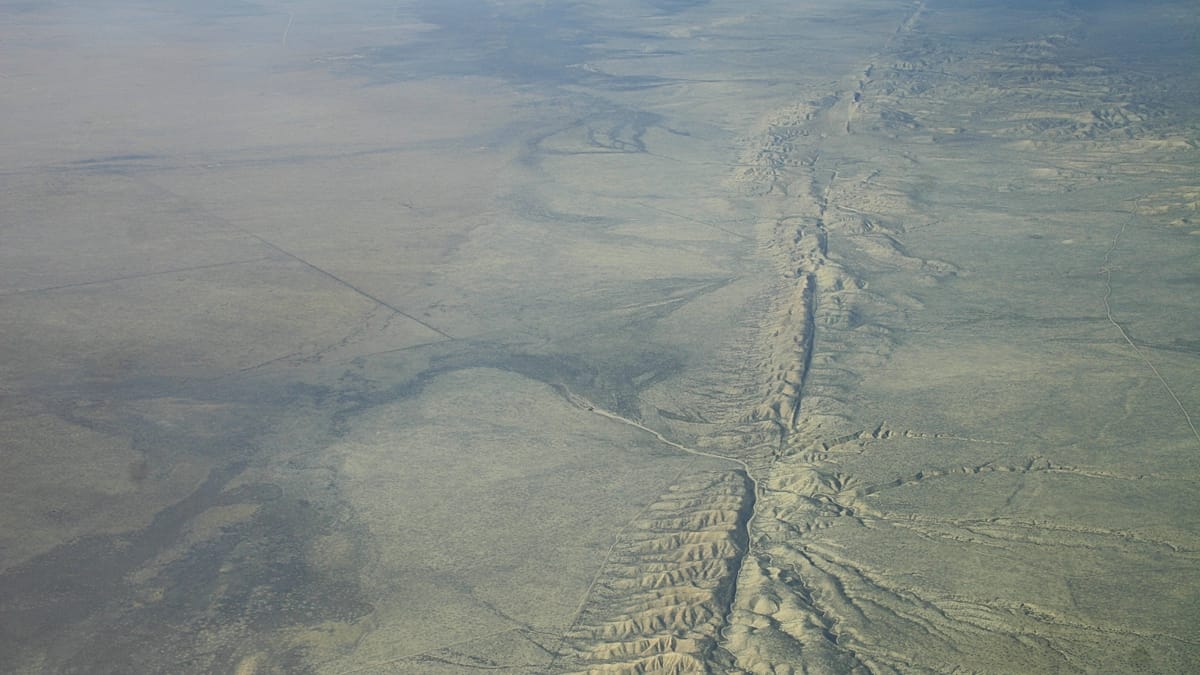
San Andreas Fault Stress Reaches Highest Level in 1,000 Years, Study Finds
A new peer-reviewed study finds that tectonic stress on Southern California's San Andreas and San Jacinto fault systems has reached its highest levels in at least 1,000 years, with the San Jacinto-Bernardino section measuring 3.6 megapascals. The research, led by the University of Hawaiʻi at Mānoa and published in the Journal of Geophysical Research: Solid Earth, used a computer model drawing on geological data including radiocarbon dating and tree-ring records to reconstruct a millennium of earthquake history. The findings cannot predict when a major earthquake will occur but are intended to improve hazard assessments, inform building codes, and guide emergency preparedness in a region home to millions.