Google to Save Lens Photos, Search Live Recordings, and Translate Audio for AI Training
Google announced it will save images, audio, and video from Google Lens, Search Live, voice searches, and Translate under a new "Search Services History" setting for AI training purposes. The company sent emails to users explaining the change and noted that users can disable the feature through settings. This affects how Google collects user data from its search and translation services.
Google is implementing a new "Search Services History" setting that will automatically save images, files, audio, and video from user interactions with Google Lens, Search Live, voice searches, and Translate. According to an email sent to users and updates on Google's website, this data will be used to improve and train AI systems. Users have the option to disable this feature by switching off the Search Services History setting or disabling the "Save Media" option. The change represents an expansion of Google's data collection practices across multiple search and translation services.
What's missing
The sources do not specify the exact timeline for when this change will take effect, whether existing data will be retroactively saved, or detailed information about how long Google will retain this data.
What different sources said
- The VergeLeft
Google will save your Lens photos, Search Live recordings, and Translate audio for AI training
Related
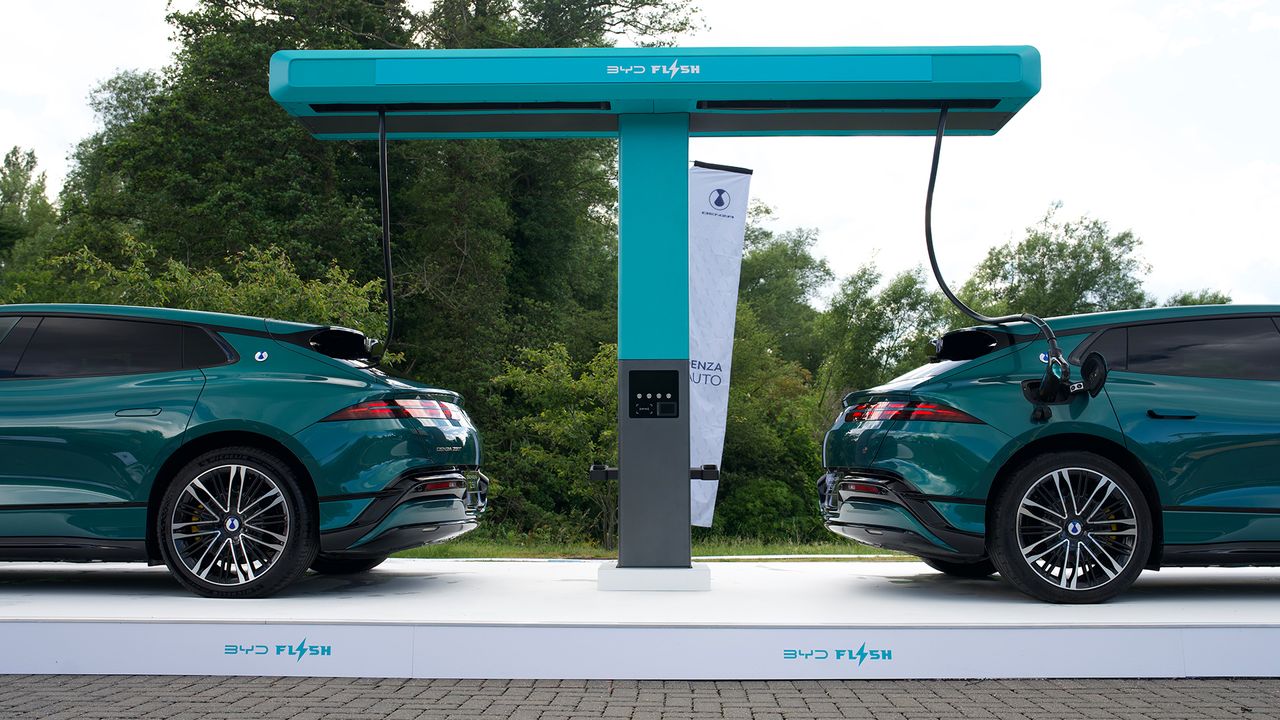
BYD Demonstrates Ultra-Fast 9-Minute EV Charging Technology at UK Headquarters
BYD showcased its Flash Charge technology at its West London headquarters, charging a Denza Z9 GT from 10% to nearly 100% in nine minutes using 1,500kW peak power. The system uses CCS 2 connectors compatible with most EVs and includes on-site battery storage to reduce grid demand. BYD plans to deploy 6,000 Flash Charging stalls globally by end of 2027, with 3,000 in Europe and 300 in the UK, potentially offering charging at under 50 pence per kilowatt-hour.

Anthropic's Claude Fable 5 Model Blocking Harmless User Requests with Overly Strict Safety Filters
Anthropic's newly released Claude Fable 5 AI model is refusing to respond to innocuous user prompts, including simple greetings like "hello," due to overly conservative safety guardrails. The company acknowledged the issue and stated that false positives occur in less than 5% of sessions, but has not provided exact refusal rates. The problem affects millions of users and has generated numerous bug reports and complaints from researchers and developers.

Open-Source Raspberry Pi Project Recreates Retro VCR Interface for Modern Media Playback
Developer Anthony Caccese has released 240-MP, an open-source Raspberry Pi project that creates a vintage VCR-style interface for playing local media files and Plex libraries on CRT or modern screens. The project runs on Raspberry Pi 4B, 3B+, and 3B models and supports navigation via remote control or keyboard. The tool addresses nostalgia for older display formats while enabling modern streaming functionality.