Google Seeks Permit to Release Millions of Wolbachia-Infected Mosquitoes in California and Florida
Google's parent company Alphabet has applied to the US Environmental Protection Agency for a permit to release tens of millions of Wolbachia-infected sterile male mosquitoes in Florida and California as part of its Debug program. The initiative targets Aedes aegypti, an invasive mosquito species responsible for spreading dengue, Zika, yellow fever, and chikungunya, by flooding wild populations with sterile males whose matings produce no offspring. Scientists broadly support the approach, citing the species' invasive status and the scale of disease it causes globally, though regulatory approval is still pending.
Alphabet's Debug program is seeking EPA approval to release sterile male Aedes aegypti mosquitoes infected with Wolbachia bacteria in Florida and California, with the goal of collapsing local populations of the disease-spreading invasive species. When wild females mate with these sterile males — and female mosquitoes typically mate only once — their eggs fail to hatch, reducing the next generation without introducing additional biting insects, since only females bite. Sources differ on the total number of mosquitoes planned: DW reports 16 million per state per release wave, while CBC and Yahoo Finance cite up to 32 million total, and Live Science reports 64 million across both states. The Debug approach is one of several emerging biological and technological strategies being developed globally, including RNA-based sterilization techniques being researched at the University of Manitoba, laser-based mosquito-zapping devices developed by Chinese startup Photon Matrix, and the World Mosquito Program's existing Wolbachia releases across 15 countries. Entomologists interviewed across multiple outlets expressed support for targeting Aedes aegypti specifically because it is non-native to Florida and California, meaning its reduction poses minimal ecological risk to food chains or native species. Experts also caution that public trust and community engagement are critical, and that once genetically modified or biologically altered mosquitoes are released, the intervention is difficult to reverse. The broader context is urgent: mosquitoes kill roughly 800,000 people annually and account for 17% of all infectious diseases worldwide, with climate change expanding the range of dangerous species into previously unaffected regions.
Limitations & open questions
The sources do not reconcile the discrepancy in the total number of mosquitoes planned for release — figures range from 32 million to 64 million across outlets — and it is unclear whether these reflect different phases, per-state counts, or reporting errors. Additionally, no source details the specific timeline for the EPA's permitting decision or what criteria the agency will use to evaluate the application.
How coverage differed
DW framed the story primarily around Google's Debug program with strong expert endorsement and an ethical discussion, giving it an optimistic tone. CBC took a broader, more cautious framing — situating the Google initiative within a wider global landscape of mosquito-control strategies, emphasizing regulatory and ethical complexity, and noting that scientific trust issues require robust community engagement before deployment.
What different sources said
- CBCLeft
The world has a mosquito problem. Here's how scientists are trying to solve it
- Yahoo FinanceCenter
The world has a mosquito problem. Here's how scientists are trying to solve it
- Live ScienceCenter
Google wants to release 64 million bacteria-riddled mosquitoes across California and Florida. Here's why scientists are enthusiastic.
- Deutsche WelleCenter
Google mosquito army: Scientists say 'we must take action'
- GRDCCenter
Promising new approach to controlling insect-spread disease without insecticides
Related
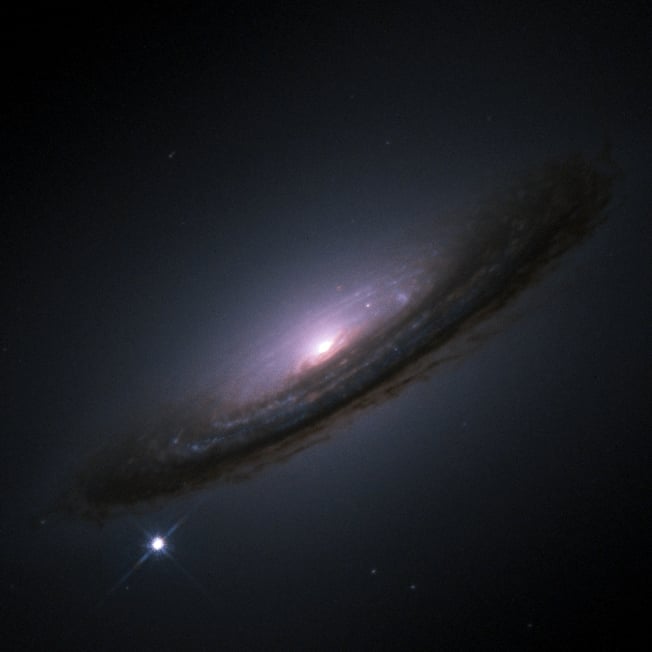
Nobel Laureates Rebut Study Claiming Universe's Expansion Is Slowing, Confirm Acceleration Continues
An international team of astrophysicists, including Nobel laureates Adam Riess and Brian Schmidt, has published a study in the Monthly Notices of the Royal Astronomical Society confirming that the universe's expansion is still accelerating. The rebuttal targets a late-2024 South Korean study that had claimed dark energy was weakening, a finding that would have overturned nearly three decades of cosmological understanding. The new study identifies two specific methodological errors in the earlier work, restoring confidence in the standard model of cosmic acceleration while leaving the deeper mystery of what dark energy actually is unresolved.

Study Finds Trees May Store Less Carbon Than Climate Models Predict
A new study published in Science Advances found that oak trees stop growing months before they stop photosynthesizing, meaning increased carbon uptake does not necessarily translate into more wood growth and long-term carbon storage. Researchers analyzed 137 sites across the US, finding that 26–36% of annual carbon uptake occurred after tree growth had already ceased, with drought and heat identified as key triggers for halting growth. The findings suggest that widely used climate models, which assume photosynthesis and growth are tightly linked, may be overestimating forests' future capacity to sequester carbon.
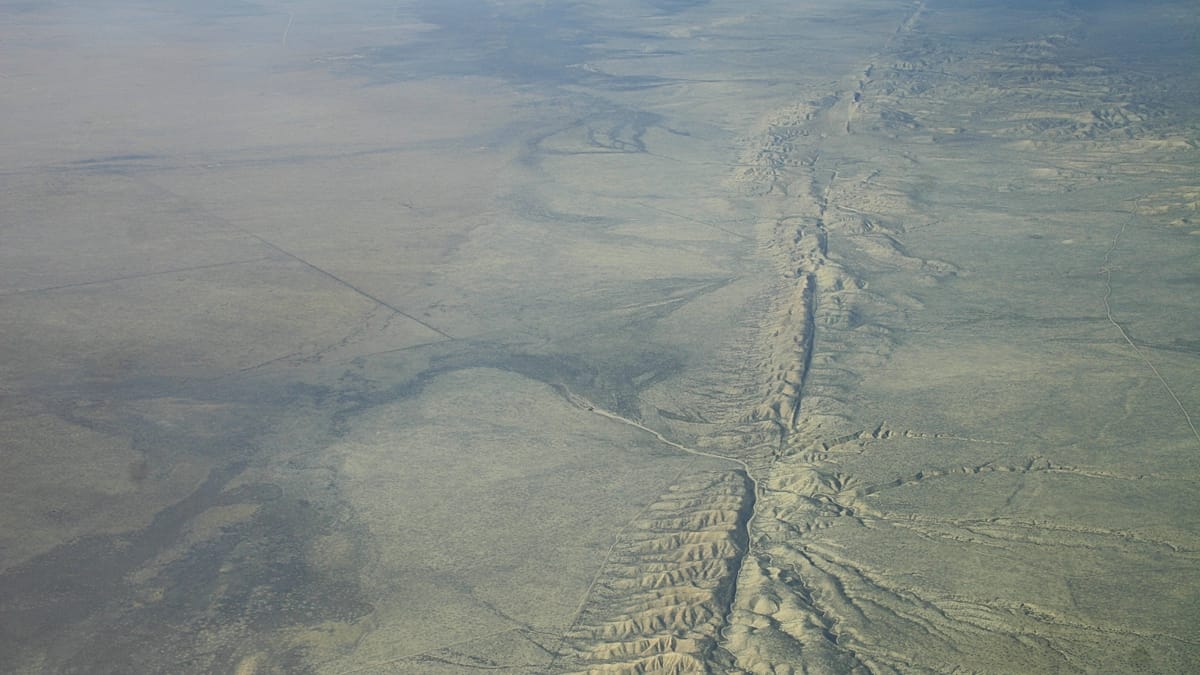
San Andreas Fault Stress Reaches Highest Level in 1,000 Years, Study Finds
A new peer-reviewed study finds that tectonic stress on Southern California's San Andreas and San Jacinto fault systems has reached its highest levels in at least 1,000 years, with the San Jacinto-Bernardino section measuring 3.6 megapascals. The research, led by the University of Hawaiʻi at Mānoa and published in the Journal of Geophysical Research: Solid Earth, used a computer model drawing on geological data including radiocarbon dating and tree-ring records to reconstruct a millennium of earthquake history. The findings cannot predict when a major earthquake will occur but are intended to improve hazard assessments, inform building codes, and guide emergency preparedness in a region home to millions.