Columbia Scientists Use Base Editing to Repair Human Embryo DNA, Advancing Disease Prevention Research
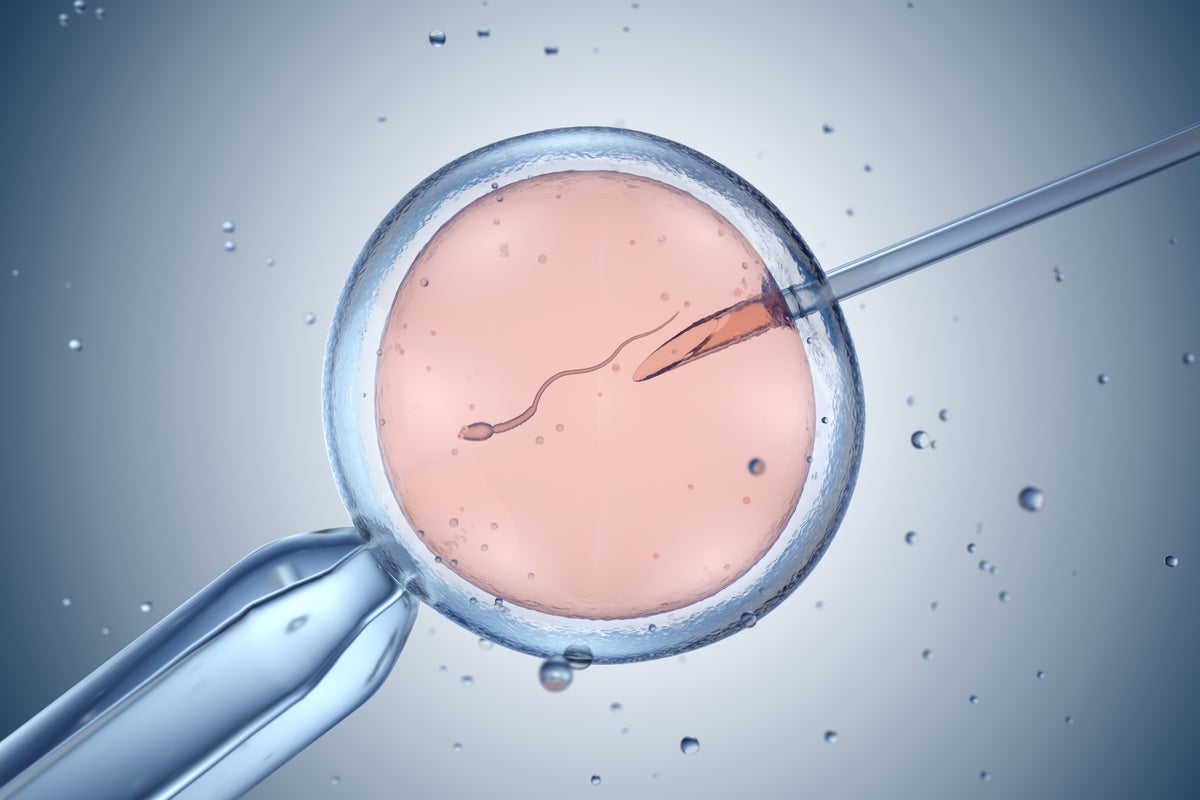
Columbia University researchers led by Dieter Egli have used a gene-editing technique called base editing to alter two genomic sites in human embryos, marking the first reported use of this method on embryonic cells in the United States. The preprint study, which has not yet been peer-reviewed, targeted the PCSK9 gene linked to cholesterol regulation and the HBG genes associated with fetal hemoglobin, though the embryos did not carry the disease-causing mutations the edits were designed to address. The work has drawn both praise for its technical precision and sharp criticism over ethical guardrails, the risk of normalizing embryo enhancement, and questions about whether the research clears existing oversight requirements.
A team led by Columbia University cell biologist Dieter Egli used base editing — a next-generation CRISPR-derived technique that makes precise single-letter changes to DNA without cutting both strands — to edit human zygotes at two genomic sites, PCSK9 and HBG1/HBG2, chosen for being well-studied rather than for immediate therapeutic purposes. Unlike earlier CRISPR-only approaches, which caused catastrophic chromosomal deletions in Egli's own 2020 experiments, the new method produced embryos with no chromosomal abnormalities or large deletions, though most embryos showed mosaicism — inconsistent editing across cells — and embryos stopped developing when RNA-based delivery was used instead of protein-based delivery. The study, posted as a preprint on June 1, 2026, and funded by private and international sources rather than U.S. federal funds, has not been peer-reviewed, and Egli himself cautioned that clinical use remains premature. Scientists not involved in the work are divided: some call it an impressive technical step, while others, including biomedical engineer Krishanu Saha, say it does not establish genome-wide safety or clinical readiness and question whether it constitutes medicine at all. Critics such as Alexis Komor warn the work may break an informal moratorium on embryo editing in U.S. academic labs and could 'open the floodgates' to enhancement-oriented research, while ethicists note it is unclear how the study navigated existing institutional review requirements.
Limitations & open questions
The study's own limitations are significant: mosaicism affected most edited embryos, RNA-based delivery caused embryo death, and editing was not performed on embryos carrying actual pathogenic mutations, making therapeutic relevance unclear. Long-term developmental and safety data beyond the early embryo stage are entirely absent.
How coverage differed
Reason framed the findings optimistically, downplaying ethical concerns as 'woefully misguided and overblown' and emphasizing the potential to eliminate disease. Scientific American and Nature News gave substantially more weight to critical scientific voices and ethical objections, including concerns about oversight gaps and the risk of normalizing embryo enhancement.
What different sources said
- ReasonRight
New Embryo Editing Technique Takes Us a Step Closer to Designing Babies Without Disease
A Newer Approach to Editing Embryos Ignites Debate
- Scientific AmericanCenter
Report of gene-edited human embryos sparks worries about the technology’s future uses
- Nature NewsCenter
Precise genome editing of human embryos triggers praise and alarm
- Quanta MagazineCenter
What’s the Future of Gene Editing?
Related
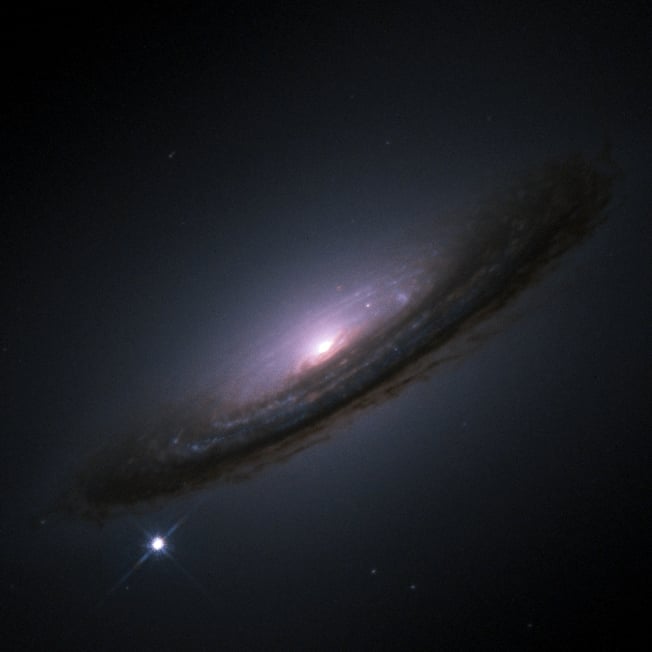
Nobel Laureates Rebut Study Claiming Universe's Expansion Is Slowing, Confirm Acceleration Continues
An international team of astrophysicists, including Nobel laureates Adam Riess and Brian Schmidt, has published a study in the Monthly Notices of the Royal Astronomical Society confirming that the universe's expansion is still accelerating. The rebuttal targets a late-2024 South Korean study that had claimed dark energy was weakening, a finding that would have overturned nearly three decades of cosmological understanding. The new study identifies two specific methodological errors in the earlier work, restoring confidence in the standard model of cosmic acceleration while leaving the deeper mystery of what dark energy actually is unresolved.

Study Finds Trees May Store Less Carbon Than Climate Models Predict
A new study published in Science Advances found that oak trees stop growing months before they stop photosynthesizing, meaning increased carbon uptake does not necessarily translate into more wood growth and long-term carbon storage. Researchers analyzed 137 sites across the US, finding that 26–36% of annual carbon uptake occurred after tree growth had already ceased, with drought and heat identified as key triggers for halting growth. The findings suggest that widely used climate models, which assume photosynthesis and growth are tightly linked, may be overestimating forests' future capacity to sequester carbon.

San Andreas Fault Stress Reaches Highest Level in 1,000 Years, Study Finds
A new peer-reviewed study finds that tectonic stress on Southern California's San Andreas and San Jacinto fault systems has reached its highest levels in at least 1,000 years, with the San Jacinto-Bernardino section measuring 3.6 megapascals. The research, led by the University of Hawaiʻi at Mānoa and published in the Journal of Geophysical Research: Solid Earth, used a computer model drawing on geological data including radiocarbon dating and tree-ring records to reconstruct a millennium of earthquake history. The findings cannot predict when a major earthquake will occur but are intended to improve hazard assessments, inform building codes, and guide emergency preparedness in a region home to millions.