China Performs First Combined Transplant of Pig Liver and Kidney to Human
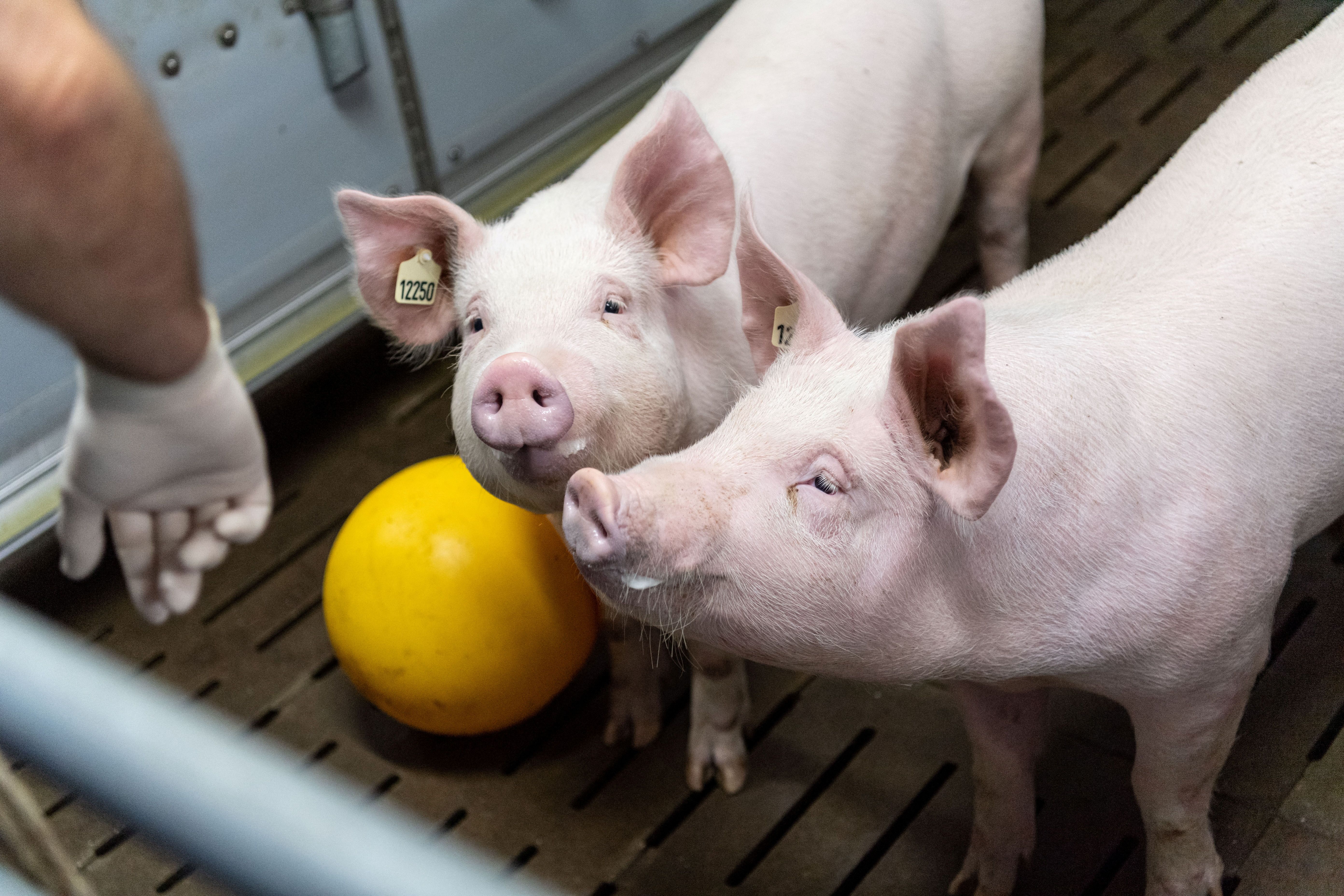
A Chinese medical team successfully transplanted a genetically modified pig's liver and both kidneys into a brain-dead patient, marking the first multi-organ xenotransplantation of its kind. The organs functioned for nearly five days in the 53-year-old recipient before the study was concluded at the family's request. The milestone advances the prospect of using animal organs to address a critical global shortage that leaves over 100,000 people awaiting transplants in the US alone.
Researchers from the Second Affiliated Hospital of Guangxi Medical University performed the world's first combined pig-to-human liver and kidney transplant, publishing their findings in the peer-reviewed journal Med on May 29. The recipient was a 53-year-old brain-dead patient, and the procedure used organs from a pig that had been genetically modified to improve compatibility with the human immune system. The transplanted organs functioned for nearly five days without immediate rejection before the study was ended in accordance with the patient's family's wishes. The procedure was conducted as an orthotopic transplant, meaning the pig organs were placed in the anatomically correct positions after the patient's own organs were removed. Kidneys and livers are frequently transplanted together because liver failure often causes secondary kidney damage, making multi-organ compatibility especially important. The research team noted that the study identified early immune and metabolic responses that could guide future clinical practice in xenotransplantation. Scientists hope that advances in this field could eventually help alleviate the severe global shortage of donor organs.
Limitations & open questions
The study's own limitations include the short observation window of under five days and the use of a brain-dead rather than a living patient, meaning longer-term organ function, immune rejection dynamics, and outcomes in living recipients remain unknown. The specific nature and number of genetic modifications made to the donor pig are not detailed in either source, nor is information provided about whether any complications arose during the observation period.
What different sources said
- SemaforCenter
In a first, human receives multiple pig organs
- South China Morning PostCenter
China performs world’s first combined transplant of pig liver and kidney to human
Related

Nobel Laureates Rebut Study Claiming Universe's Expansion Is Slowing, Confirm Acceleration Continues
An international team of astrophysicists, including Nobel laureates Adam Riess and Brian Schmidt, has published a study in the Monthly Notices of the Royal Astronomical Society confirming that the universe's expansion is still accelerating. The rebuttal targets a late-2024 South Korean study that had claimed dark energy was weakening, a finding that would have overturned nearly three decades of cosmological understanding. The new study identifies two specific methodological errors in the earlier work, restoring confidence in the standard model of cosmic acceleration while leaving the deeper mystery of what dark energy actually is unresolved.

Study Finds Trees May Store Less Carbon Than Climate Models Predict
A new study published in Science Advances found that oak trees stop growing months before they stop photosynthesizing, meaning increased carbon uptake does not necessarily translate into more wood growth and long-term carbon storage. Researchers analyzed 137 sites across the US, finding that 26–36% of annual carbon uptake occurred after tree growth had already ceased, with drought and heat identified as key triggers for halting growth. The findings suggest that widely used climate models, which assume photosynthesis and growth are tightly linked, may be overestimating forests' future capacity to sequester carbon.
San Andreas Fault Stress Reaches Highest Level in 1,000 Years, Study Finds
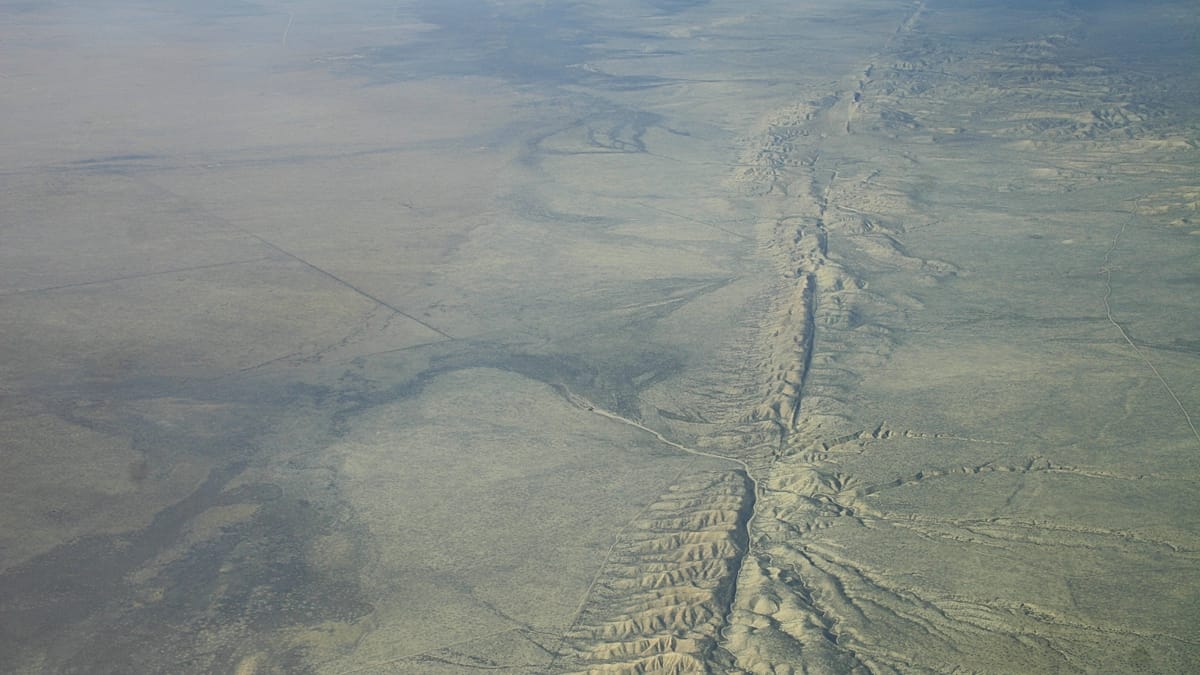
A new peer-reviewed study finds that tectonic stress on Southern California's San Andreas and San Jacinto fault systems has reached its highest levels in at least 1,000 years, with the San Jacinto-Bernardino section measuring 3.6 megapascals. The research, led by the University of Hawaiʻi at Mānoa and published in the Journal of Geophysical Research: Solid Earth, used a computer model drawing on geological data including radiocarbon dating and tree-ring records to reconstruct a millennium of earthquake history. The findings cannot predict when a major earthquake will occur but are intended to improve hazard assessments, inform building codes, and guide emergency preparedness in a region home to millions.