Amazon Deforestation Reaches Lowest Level Since 2019
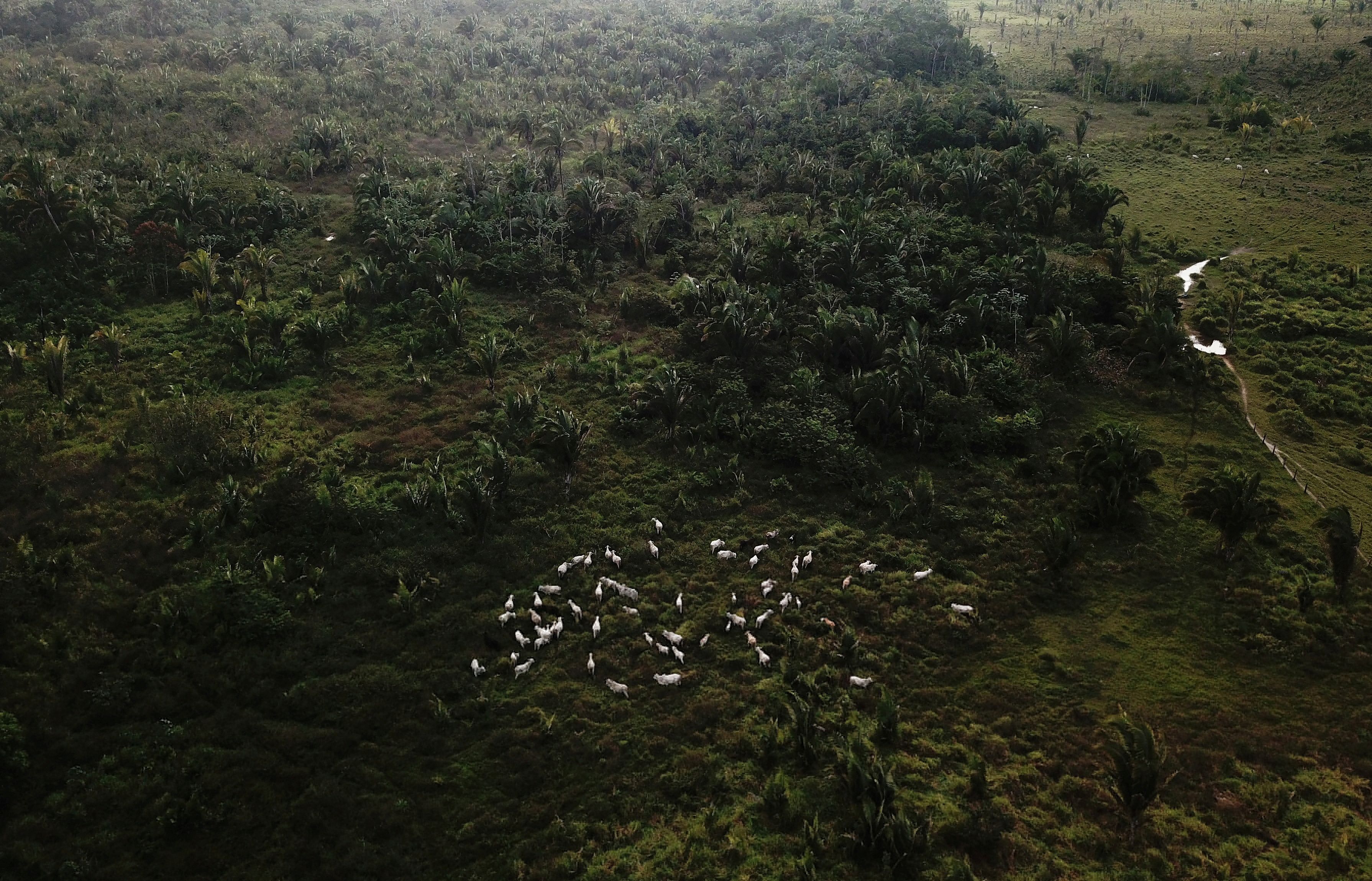
Annual Amazon deforestation dropped to approximately 5,700 square kilometres in the period from August 2024 to July 2025, the lowest level since 2019 and more than 50% below the peak under former President Jair Bolsonaro. Brazilian President Luiz Inácio Lula da Silva, who pledged to reverse deforestation upon returning to office in 2023, has backed the effort with a $2.6 billion public-private partnership and strengthened enforcement. The progress is significant but fragile, as new research warns that clearing more than 22–28% of the total forest could trigger irreversible dieback even if global warming is held to 1.5–1.9°C above pre-industrial levels.
Brazil's National Institute for Space Research recorded roughly 5,700 square kilometres of Amazon deforestation between August 2024 and July 2025, compared with an annual average of nearly 9,000 square kilometres over the past decade and a sharp peak approaching 5,000 square kilometres in a single August–January window around 2023. The decline is attributed to enforcement actions, satellite monitoring, and policy commitments under President Lula, who has set a goal of eliminating illegal deforestation by 2030. A May 2025 study led by Nico Wunderling at Goethe University Frankfurt modelled multiple warming and land-use scenarios, finding that the forest is surprisingly resilient to climate change alone — serious dieback would not begin until temperatures exceed 3.7–4°C above pre-industrial levels — but that continued deforestation dramatically lowers that threshold. Once 22–28% of the forest is cleared, models project widespread dieback even under 1.5–1.9°C of warming, a level the world is rapidly approaching. Progress is not confined to the Amazon: a MapBiomas analysis published in May 2025 found deforestation declining across multiple Brazilian biomes. However, challenges persist, including planned paving of a major Amazonian road, the rise of illegal mining and coca cultivation, a Brazilian lower house bill that would restrict satellite-data-based enforcement, and the inherent difficulty of policing dispersed small-scale deforestation as large-scale clearing declines.
Data: INPE's DETER alert system, via Mongabay / Semafor
Limitations & open questions
The sources do not specify what share of the 5,700 sq km figure represents illegal versus legal deforestation, a distinction relevant to assessing enforcement effectiveness.
How coverage differed
Semafor framed the story primarily through a political lens, emphasising Lula's electoral prospects and quoting a striking rate-of-destruction statistic. Nature News provided a more detailed scientific and policy analysis, incorporating peer-reviewed research, quantitative thresholds, and a broader discussion of internal and external challenges, while also noting reasons for cautious optimism.
What different sources said
- SemaforCenter
Amazon deforestation hits lowest level since 2019
- Nature NewsCenter
The Amazon can be saved — with concerted action inside and outside Brazil
Related

Nobel Laureates Rebut Study Claiming Universe's Expansion Is Slowing, Confirm Acceleration Continues
An international team of astrophysicists, including Nobel laureates Adam Riess and Brian Schmidt, has published a study in the Monthly Notices of the Royal Astronomical Society confirming that the universe's expansion is still accelerating. The rebuttal targets a late-2024 South Korean study that had claimed dark energy was weakening, a finding that would have overturned nearly three decades of cosmological understanding. The new study identifies two specific methodological errors in the earlier work, restoring confidence in the standard model of cosmic acceleration while leaving the deeper mystery of what dark energy actually is unresolved.
Study Finds Trees May Store Less Carbon Than Climate Models Predict
A new study published in Science Advances found that oak trees stop growing months before they stop photosynthesizing, meaning increased carbon uptake does not necessarily translate into more wood growth and long-term carbon storage. Researchers analyzed 137 sites across the US, finding that 26–36% of annual carbon uptake occurred after tree growth had already ceased, with drought and heat identified as key triggers for halting growth. The findings suggest that widely used climate models, which assume photosynthesis and growth are tightly linked, may be overestimating forests' future capacity to sequester carbon.
San Andreas Fault Stress Reaches Highest Level in 1,000 Years, Study Finds
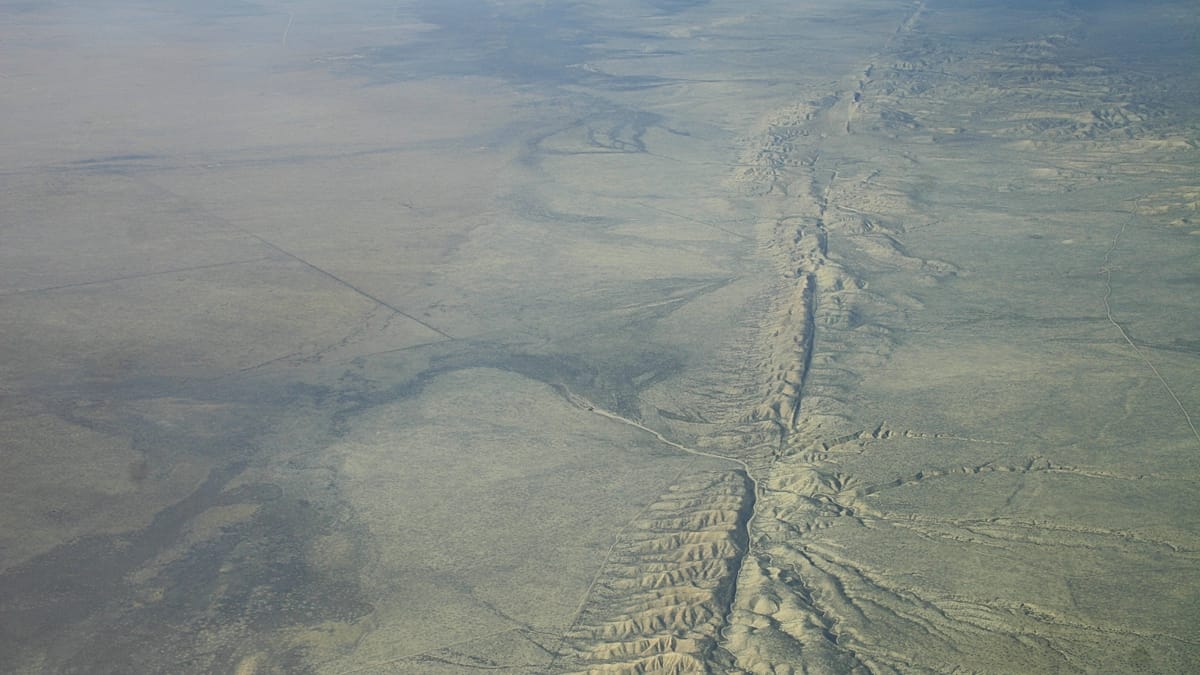
A new peer-reviewed study finds that tectonic stress on Southern California's San Andreas and San Jacinto fault systems has reached its highest levels in at least 1,000 years, with the San Jacinto-Bernardino section measuring 3.6 megapascals. The research, led by the University of Hawaiʻi at Mānoa and published in the Journal of Geophysical Research: Solid Earth, used a computer model drawing on geological data including radiocarbon dating and tree-ring records to reconstruct a millennium of earthquake history. The findings cannot predict when a major earthquake will occur but are intended to improve hazard assessments, inform building codes, and guide emergency preparedness in a region home to millions.