AI Company Ignota Labs Repurposes Failed Drugs Using Machine Learning
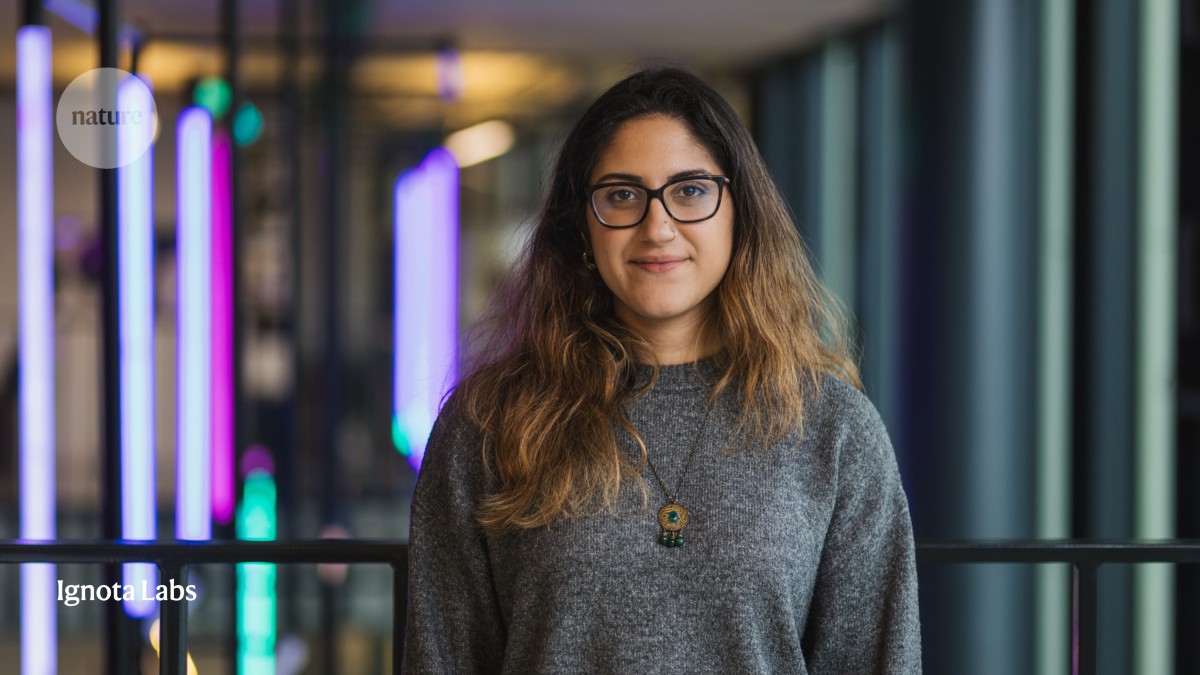
Ignota Labs, a Cambridge-based startup founded in 2021, uses artificial intelligence to identify why drugs failed in clinical trials and re-engineer them for new therapeutic applications. The company raised $6.9 million in February 2025 and has built a pipeline of treatments for autoimmune diseases and blood cancers. This approach addresses a significant gap in drug development by leveraging AI to understand drug mechanisms and safety profiles that were previously unclear.
Ignota Labs applies machine-learning algorithms to analyze failed pharmaceutical compounds and determine the reasons for their clinical trial failures, then re-engineers the most promising candidates for potential success. Founded by Layla Hosseini-Gerami (chief data-science officer), Jordan Lane, and Sam Windsor, the company combines chemistry, bioinformatics, and data science to understand how drugs affect the body at the molecular level. Hosseini-Gerami, who was recognized on Forbes' '30 under 30' list in April 2025, developed her expertise through an internship at drug-discovery software company Optibrium and a PhD at Cambridge University focused on computational algorithms that identify biological targets and drug pathways. The company's approach addresses a longstanding challenge in drug discovery: many approved compounds lack clear understanding of their mechanisms of action. With $6.9 million in funding secured in February 2025, Ignota Labs has developed a promising pipeline of therapies targeting autoimmune diseases and blood cancers.
What different sources said
- Nature NewsCenter
How I use AI to turn failed drugs into new medicines
Related
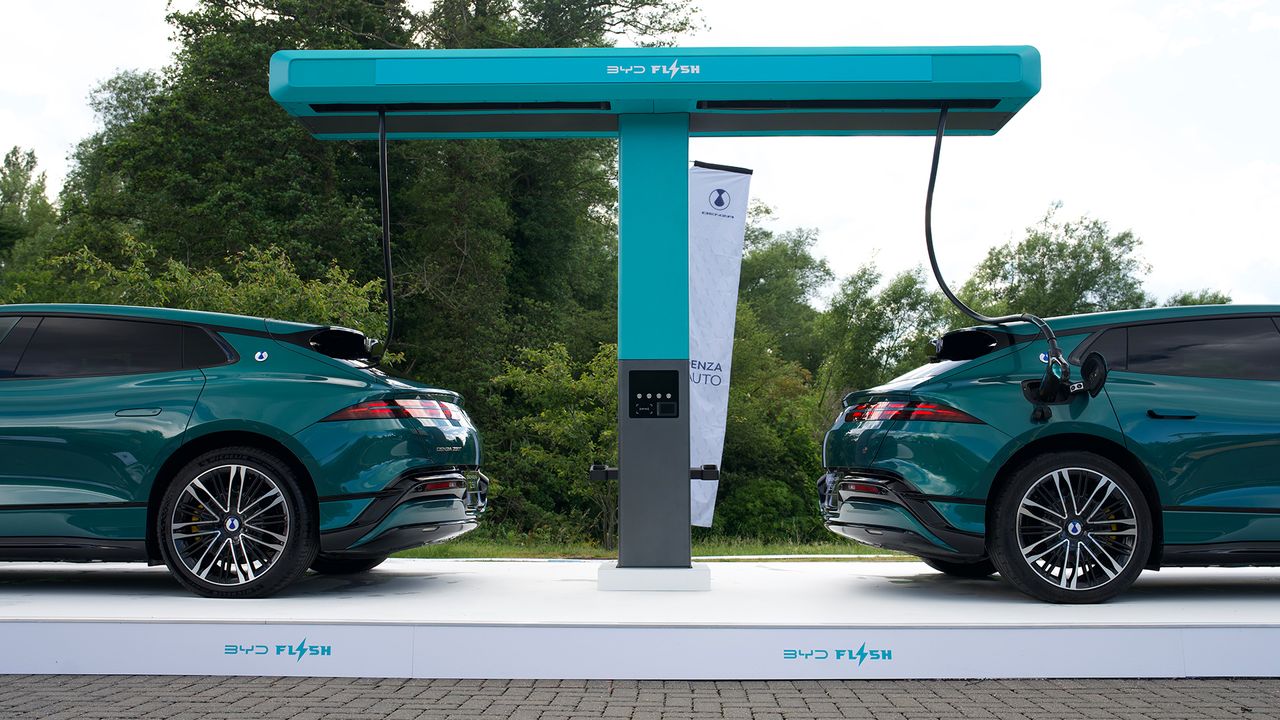
BYD Demonstrates Ultra-Fast 9-Minute EV Charging Technology at UK Headquarters
BYD showcased its Flash Charge technology at its West London headquarters, charging a Denza Z9 GT from 10% to nearly 100% in nine minutes using 1,500kW peak power. The system uses CCS 2 connectors compatible with most EVs and includes on-site battery storage to reduce grid demand. BYD plans to deploy 6,000 Flash Charging stalls globally by end of 2027, with 3,000 in Europe and 300 in the UK, potentially offering charging at under 50 pence per kilowatt-hour.

Anthropic's Claude Fable 5 Model Blocking Harmless User Requests with Overly Strict Safety Filters
Anthropic's newly released Claude Fable 5 AI model is refusing to respond to innocuous user prompts, including simple greetings like "hello," due to overly conservative safety guardrails. The company acknowledged the issue and stated that false positives occur in less than 5% of sessions, but has not provided exact refusal rates. The problem affects millions of users and has generated numerous bug reports and complaints from researchers and developers.

Open-Source Raspberry Pi Project Recreates Retro VCR Interface for Modern Media Playback
Developer Anthony Caccese has released 240-MP, an open-source Raspberry Pi project that creates a vintage VCR-style interface for playing local media files and Plex libraries on CRT or modern screens. The project runs on Raspberry Pi 4B, 3B+, and 3B models and supports navigation via remote control or keyboard. The tool addresses nostalgia for older display formats while enabling modern streaming functionality.