Yeshiva Rabbis Refuse to Send Students to Tank Units Over Female Integration
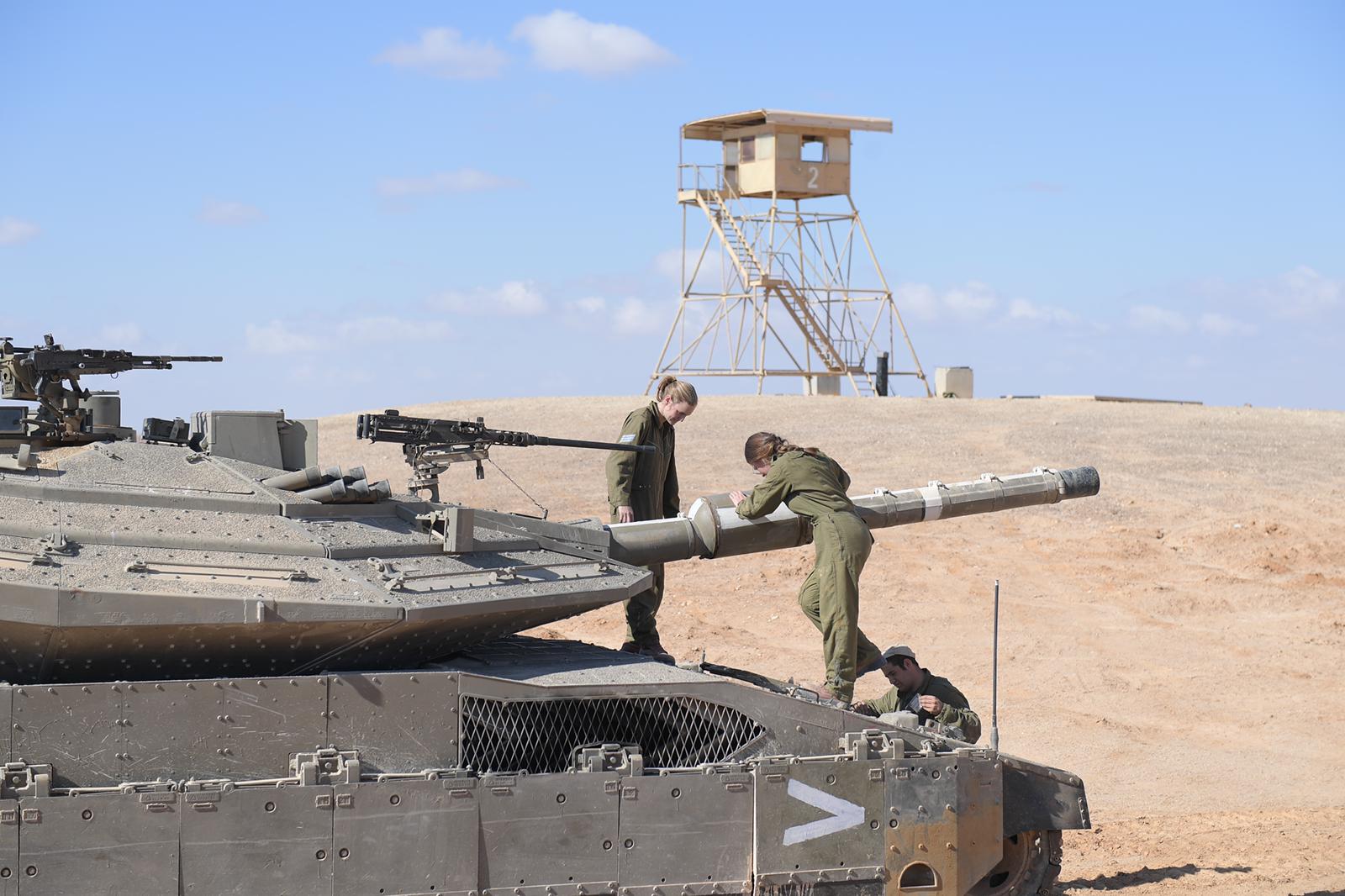
Leaders of 12 hesder yeshivas announced they will no longer send students to serve in the IDF's Armored Corps due to a High Court ruling requiring the integration of women into tank units. The hesder program allows Orthodox soldiers to combine military service with religious study, and the Armored Corps has been a traditional placement for these soldiers for decades. The move has sparked political controversy, with critics calling it organized refusal to serve while supporters argue it protects religious soldiers from violating Jewish law.
Twelve yeshiva leaders, including heads of prominent institutions like Elon Moreh and Hakotel Yeshiva, signed an open letter declaring that service in the Armored Corps is prohibited by Jewish law and announcing they will not send students to tank units beginning with the next draft cycle. This decision follows a High Court of Justice ruling last month that mandated the IDF begin a trial program integrating female soldiers into the Armored Corps by November, after repeated military delays. The rabbis argued that integrating women into tanks alongside men has both spiritual and practical impacts on combat ability. The announcement has divided Israeli politics: opposition lawmakers including Yair Golan and Naama Lazimi condemned the letter as organized refusal to serve and discrimination, while Religious Zionism party members supported the rabbis' position as protecting religious soldiers' conscience. A senior army source characterized the situation as presenting a significant threat, framing it as a choice between accepting a few female soldiers annually versus losing dozens of hesder soldiers per draft cohort.
What different sources said
- Times of IsraelCenter
Yeshiva rabbis say they won’t send students to tank units due to integration of women
Related

Chevron and Argentine Shale Producers to Supply $3 Billion Natural Gas Liquids Project
Chevron and two other major Argentine shale producers are signing contracts this week to supply a natural gas liquids (NGL) project worth $3 billion. The supply agreements effectively guarantee the project will proceed, according to sources familiar with the matter. This development is significant for Argentina's energy sector and Chevron's operations in one of the world's largest shale reserves.

Sweden Donates Gripen Fighter Jets to Ukraine in Major Air Power Upgrade
Sweden has agreed to donate 16 Saab JAS 39 Gripen C/D fighter jets to Ukraine, with Kyiv purchasing 20 additional advanced Gripen E/F models, as part of a deal that could eventually reach 150 aircraft. The Gripen was designed during the Cold War to operate from austere locations and requires minimal ground crew, making it well-suited to Ukraine's operational environment. The acquisition represents a significant enhancement to Ukraine's air combat capabilities against Russian forces.

Military analysts assess potential challenges and risks of U.S. military intervention in Cuba
Military experts and Pentagon insiders are analyzing the potential difficulties and consequences of a possible U.S. military operation against Cuba under the Trump administration's pressure campaign. Cuba's cohesive communist government structure and loyal military differ significantly from Venezuela's fractured system, making regime change more complicated. The analysis highlights risks including humanitarian crises, migration surges, regional geopolitical shifts, and the absence of viable successor leadership.