Military analysts assess potential challenges and risks of U.S. military intervention in Cuba

Military experts and Pentagon insiders are analyzing the potential difficulties and consequences of a possible U.S. military operation against Cuba under the Trump administration's pressure campaign. Cuba's cohesive communist government structure and loyal military differ significantly from Venezuela's fractured system, making regime change more complicated. The analysis highlights risks including humanitarian crises, migration surges, regional geopolitical shifts, and the absence of viable successor leadership.
As the Trump administration intensifies economic pressure on Cuba through expanded sanctions and energy restrictions, military analysts and Pentagon officials are assessing the feasibility and consequences of potential military intervention. Unlike Venezuela's relatively fragmented power structure that allowed for quick leadership transitions, Cuba's tightly integrated communist system presents a more formidable challenge. Experts note that a decapitation strike targeting Cuban leaders would not easily produce a successor willing to implement U.S.-preferred policies, as no credible political opposition or alternative leadership exists. The analysis identifies multiple risks: humanitarian emergencies, mass migration to the United States, strengthened anti-American sentiment across Latin America, and potential alignment of regional governments with China and Russia. The Trump administration's stated goal of ending Cuba's communist regime faces the fundamental problem that military success would not automatically resolve the question of governance and long-term political objectives.
What different sources said
- Washington TimesRight
What the U.S. would face in a military operation against Cuba
Related
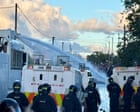
Police Deploy Water Cannons Against Anti-Immigration Rioters in Northern Ireland
Police used water cannons to disperse approximately 300 rioters near Belfast on Wednesday night, the second consecutive evening of anti-immigration protests following a knife attack on Monday. The unrest was triggered by a severe injury to a man in a knife attack in north Belfast, which sparked protests targeting ethnic minorities and migrant accommodation. The escalating disorder has prompted condemnation from Stormont officials, who warned that rioters are exploiting public anger for destructive purposes.
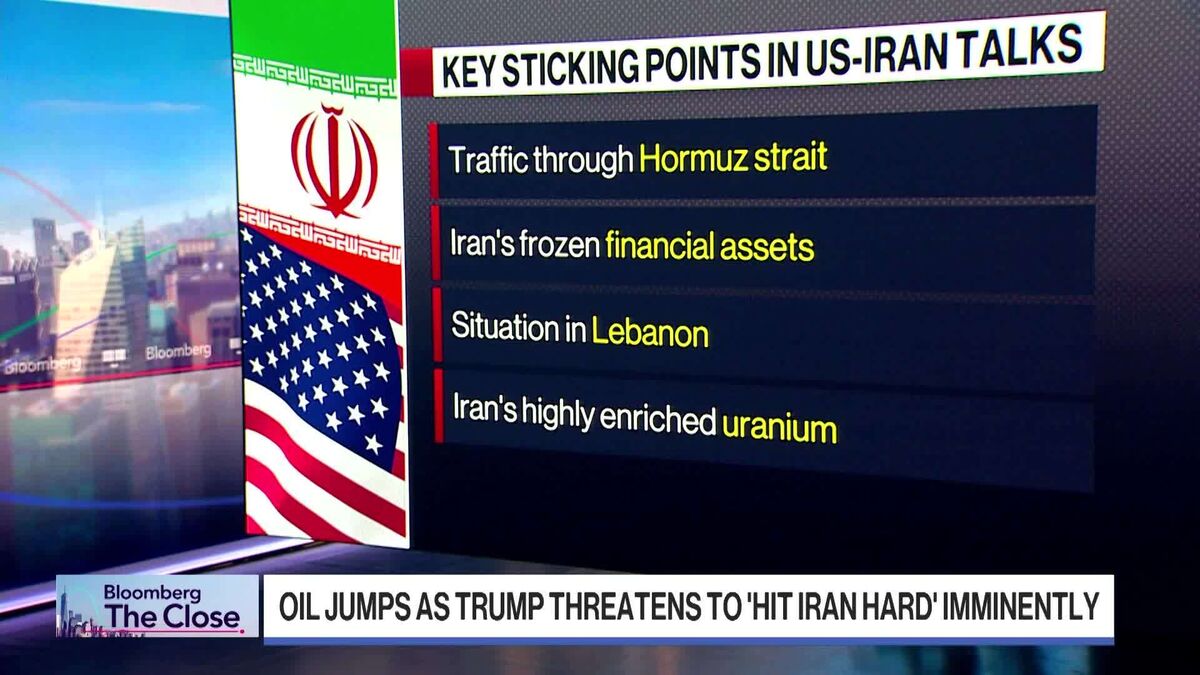
Retired General Kimmitt Characterizes Middle East Tensions as 'Diversions' Amid Oil Price Surge
Oil prices rose approximately 2% following escalated US threats against Iran after stalled peace negotiations. Retired Brigadier General Mark Kimmitt, a former Assistant Secretary of State for Political Military Affairs, appeared on Bloomberg to analyze the shift in US military posture. The assessment suggests ongoing Middle East tensions may be strategic distractions from broader geopolitical concerns.

Brian Kelly Consulting with Memphis Football After LSU Firing
Former LSU head coach Brian Kelly is working as an unpaid consultant for Memphis Tigers football, helping the program explore ways to move into a power conference. Kelly was fired from LSU eight months ago and replaced by Lane Kiffin, who signed a $91 million contract. The consulting role keeps Kelly connected to college football while he pursues opportunities for another head-coaching position.