World Cup Security Planners Prepare for Drone Threats Across Multiple U.S. Cities
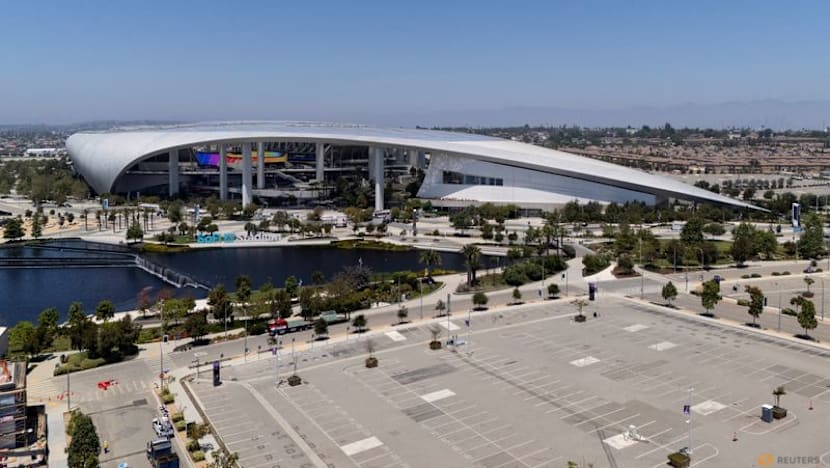
U.S. security officials are implementing drone detection and mitigation systems ahead of the 2026 World Cup, which will be hosted across multiple cities and jurisdictions. The threat ranges from hobbyists and social media seekers to potential surveillance operators, with inexpensive drones capable of bypassing traditional stadium security measures. The Trump administration has allocated $250 million in federal funding to help host cities address unauthorized aircraft risks.
Security planners for the 2026 FIFA World Cup are preparing comprehensive counter-drone strategies to protect stadiums, fan zones, team hotels, training sites, and transit routes across multiple U.S. cities. The threat landscape includes careless spectators seeking social media footage, surveillance operators monitoring security patterns and team movements, and hobbyists unaware of temporary flight restrictions. Inexpensive drones traveling at 40-45 mph can cross two miles in under three minutes, allowing them to bypass conventional security measures like bollards and magnetometers before authorities can respond. Counter-drone companies are deploying detection networks that can identify drone signals, track flight paths, and locate operators, though shooting down drones over crowds is rarely feasible due to debris risks. The Trump administration has distributed $250 million through FEMA to 11 host states and Washington, D.C., with California receiving the largest grant of $34.6 million. FAA restrictions will prohibit aircraft and drones within 3.5 miles of stadiums and below 3,000 feet on match days.
What different sources said
- Channel NewsAsiaCenter
World Cup security planners race to counter drone risks
Related

Chevron and Argentine Shale Producers to Supply $3 Billion Natural Gas Liquids Project
Chevron and two other major Argentine shale producers are signing contracts this week to supply a natural gas liquids (NGL) project worth $3 billion. The supply agreements effectively guarantee the project will proceed, according to sources familiar with the matter. This development is significant for Argentina's energy sector and Chevron's operations in one of the world's largest shale reserves.

Sweden Donates Gripen Fighter Jets to Ukraine in Major Air Power Upgrade
Sweden has agreed to donate 16 Saab JAS 39 Gripen C/D fighter jets to Ukraine, with Kyiv purchasing 20 additional advanced Gripen E/F models, as part of a deal that could eventually reach 150 aircraft. The Gripen was designed during the Cold War to operate from austere locations and requires minimal ground crew, making it well-suited to Ukraine's operational environment. The acquisition represents a significant enhancement to Ukraine's air combat capabilities against Russian forces.

Military analysts assess potential challenges and risks of U.S. military intervention in Cuba
Military experts and Pentagon insiders are analyzing the potential difficulties and consequences of a possible U.S. military operation against Cuba under the Trump administration's pressure campaign. Cuba's cohesive communist government structure and loyal military differ significantly from Venezuela's fractured system, making regime change more complicated. The analysis highlights risks including humanitarian crises, migration surges, regional geopolitical shifts, and the absence of viable successor leadership.