Woman's Hair Loss and Fatigue Resolved After Increasing Calorie and Protein Intake for Strength Training
A strength trainer discovered she was consuming only 1,200-1,400 calories daily despite exercising four times weekly, leading to micronutrient deficiencies in vitamin D, zinc, and copper that caused hair loss and fatigue. After increasing her intake to 2,000 calories and 120 grams of protein daily, her symptoms resolved and she gained lean muscle mass. The case illustrates how inadequate nutrition can undermine fitness goals and cause health problems, even when someone believes they are eating healthily.
A woman who began strength training in 2019 initially made minimal progress despite consistent effort, eventually experiencing hair loss, fatigue, and feeling cold. A micronutrient blood test revealed deficiencies in vitamin D, zinc, and copper. She then discovered through calorie tracking that she was consuming only 1,200-1,400 calories per day, far below the approximately 2,000 calories her body required daily when accounting for her exercise routine and resting metabolic rate. She adjusted her diet to meet 2,000 calories and 120 grams of protein daily, aligning with evidence-based recommendations for muscle hypertrophy. Within a year, her hair loss decreased, her fatigue resolved, and she gained lean muscle mass. The account demonstrates how nutritional deficiency can sabotage fitness progress and cause physical symptoms, even in individuals who believe they are eating well.
What's missing
The article is a personal anecdote and does not include independent medical verification of the micronutrient test results, the specific timeline of symptom resolution, or comparison to clinical literature on the relationship between caloric restriction and hair loss in athletes. The study's own limitations include reliance on self-reported calorie tracking and lack of control for other potential variables affecting muscle gain and hair health.
What different sources said
- Business InsiderLeft
I realized I wasn't eating enough for my strength-training program. After adjusting my diet, my hair stopped falling out, and I gained more muscle mass.
Related
Multi-Cancer Blood Test Galleri Fails Primary Trial Endpoint
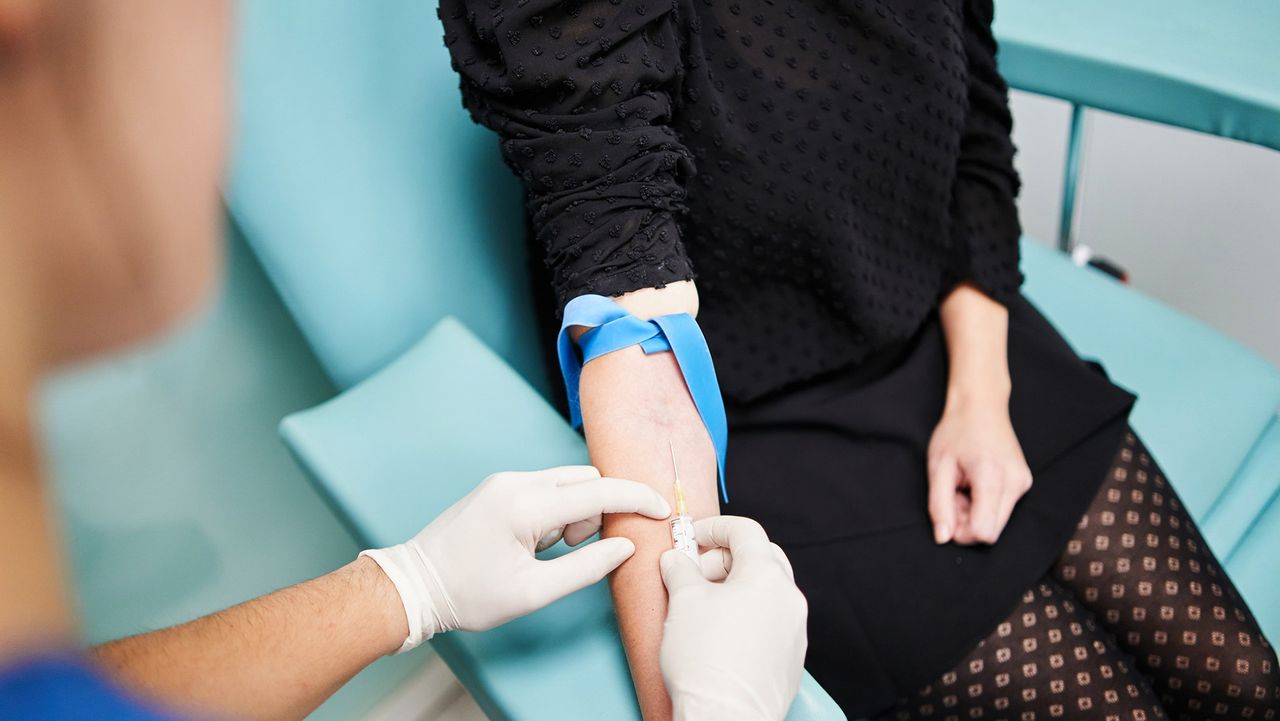
A major clinical trial of Galleri, a blood test designed to detect multiple cancers early, failed to meet its primary goal of reducing late-stage cancer diagnoses when results were announced in February. Multi-cancer early detection (MCED) tests aim to improve survival rates by identifying disease at earlier, more treatable stages. The failure raises questions about the effectiveness of this promising diagnostic approach despite initial scientific enthusiasm.
Study Uses CPAP Data to Measure Social Jet Lag in Sleep Apnea Patients
Researchers analyzed CPAP adherence records from nearly 3,000 obstructive sleep apnea patients to measure social jet lag—the circadian misalignment between work and free days. About 16-21% of patients showed moderate to severe social jet lag, with prevalence highest in younger and middle-aged adults and declining after age 65. The findings suggest CPAP devices could routinely screen for circadian misalignment, potentially identifying patients who need additional behavioral or activity-based interventions.

FDA Updates Alli Label to Warn of Rare but Potentially Fatal Kidney Problems
The FDA has approved updated labeling for Alli, an over-the-counter weight loss pill, to warn of rare risks including acute kidney injury, kidney stones, and oxalate nephropathy. The agency now instructs people with kidney disease history to consult a doctor before use and directs all users to stop taking the drug if they experience symptoms like back pain, blood in urine, or leg swelling. This warning is significant because Alli is the only OTC weight loss medication available in the U.S., and approximately 40 million people have used orlistat (Alli's generic form) since its approval in 1999.