Multi-Cancer Blood Test Galleri Fails Primary Trial Endpoint
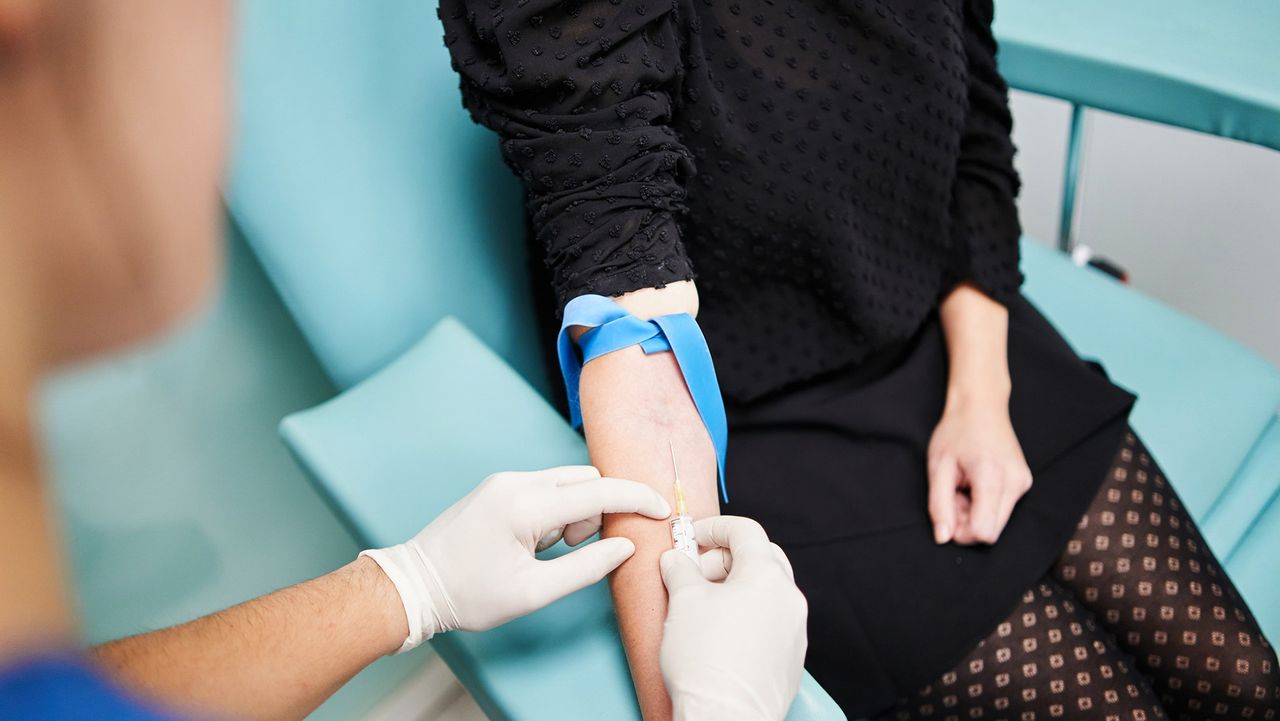
A major clinical trial of Galleri, a blood test designed to detect multiple cancers early, failed to meet its primary goal of reducing late-stage cancer diagnoses when results were announced in February. Multi-cancer early detection (MCED) tests aim to improve survival rates by identifying disease at earlier, more treatable stages. The failure raises questions about the effectiveness of this promising diagnostic approach despite initial scientific enthusiasm.
Galleri, a multi-cancer early detection blood test that screens for many cancer types simultaneously, did not achieve its primary endpoint in a flagship clinical trial announced in February. The test failed to reduce the number of late-stage cancer cases identified in trial participants, which was the key measure of success. Multi-cancer early detection tests represent an emerging diagnostic approach intended to catch cancer at earlier stages when treatment is more likely to be successful and improve patient survival outcomes. Detailed data from the trial were presented at the American Society of Clinical Oncology (ASCO) meeting in Chicago in May, providing the medical community with further analysis of the disappointing results. The failure is significant because it challenges the assumption that earlier detection through comprehensive blood screening automatically translates to better clinical outcomes.
What's missing
The sources do not specify what the actual late-stage cancer detection rates were in the trial, what the trial's sample size was, whether the test showed any benefits in detecting early-stage cancers despite failing the primary endpoint, or what specific cancers were included in the Galleri screening panel.
What different sources said
- Live ScienceCenter
Scientists were excited about a blood test for many cancers — but it failed a big trial. Here's what to know.
Related

States Report Significant ACA Coverage Losses as Enhanced Subsidies Expire
Several states are experiencing major coverage losses under the Affordable Care Act as enhanced federal subsidies have not been renewed by Congress. Monthly enrollment data through April from six states shows substantial cancellations and unpaid premiums following 2026 sign-ups, according to Georgetown University analysis. The trend suggests the impact of subsidy expiration may be more severe than previously estimated.
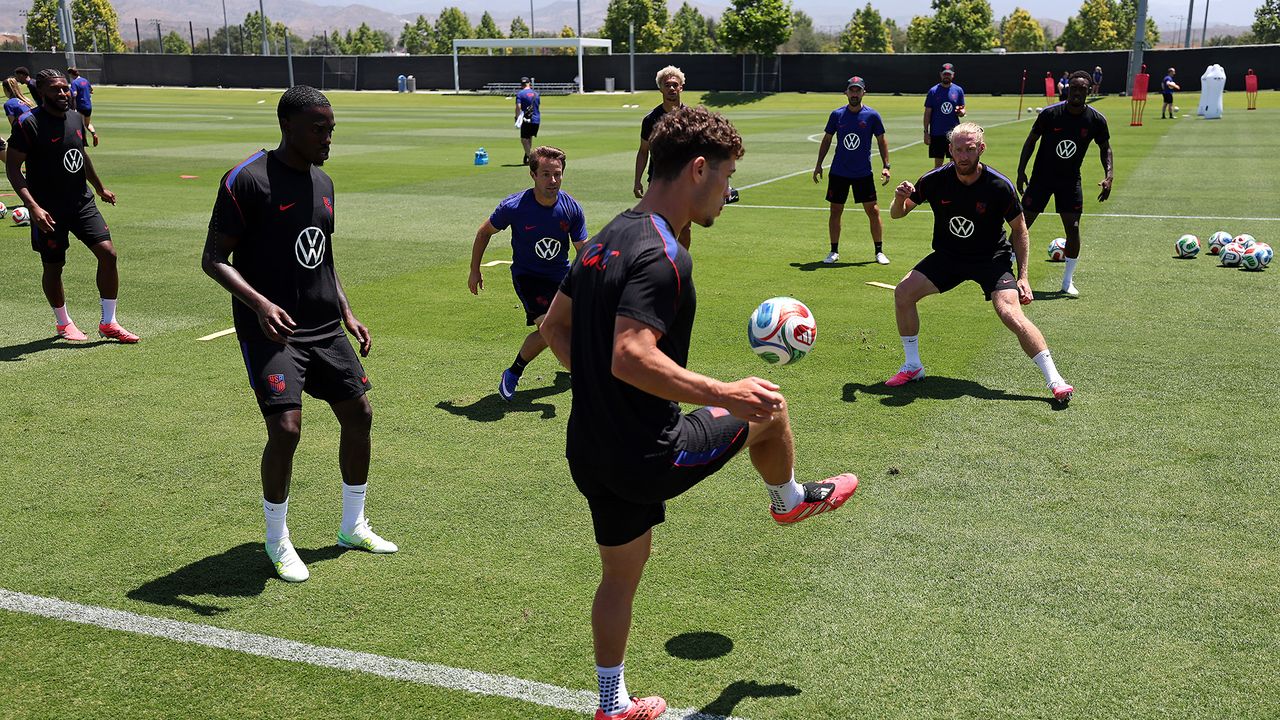
Artificial Turf Contains Hundreds of Chemicals; Health Risks Remain Unclear
Artificial turf fields contain approximately 400 chemicals, some linked to cancer and hormone disruption, raising health concerns among athletes and communities. FIFA has banned synthetic turf from World Cup matches due to established injury risks and extreme surface temperatures. The actual health danger to players and users remains scientifically uncertain despite the chemical presence.
Sydney Psychiatrist Retains Medical License After Sexual Assault Conviction
Gopi Ilawala, a Sydney psychiatrist convicted of sexually assaulting an intoxicated colleague in 2022, has been allowed to continue practicing medicine despite the state health regulator seeking to have his registration cancelled. The New South Wales Civil and Administrative Tribunal reprimanded him and imposed conditions rather than striking him off, citing his remorse, lack of prior convictions, and support from two senior psychiatrists. The decision raises questions about professional accountability and public protection in medical regulation.