Woman Shares Story of Best Friend's Death from Ehlers-Danlos Syndrome Complications

Courtney, 28, lost her best friend Lydia Arina Barron in February after Barron died from complications of Ehlers-Danlos syndrome, a rare genetic disorder affecting connective tissues. The two met online in 2021 and developed a close bond, with Barron present for major life events including Courtney's pregnancy and her son's birth six months ago. Through sharing Barron's story, Courtney aims to raise awareness about rare diseases and the challenges of obtaining timely diagnoses.
Courtney, a 28-year-old woman with autism living in Colorado, has opened up about the loss of her best friend Lydia Arina Barron, who died on February 27 from complications of Ehlers-Danlos syndrome. The two met through Instagram in 2021 when Barron, who was passing through town, reached out to photographer Courtney to meet for coffee. Their friendship quickly deepened, leading to visits across multiple states and eventually Barron becoming a constant presence in Courtney's life, particularly during her first pregnancy. Barron was present for the birth of Courtney's son six months before her death and served as an important emotional support for Courtney, who described her as someone who never made her feel the need to change herself to be loved. Ehlers-Danlos syndrome is a rare genetic condition affecting connective tissues that can take over six years on average to diagnose. Through continuing to share Barron's story publicly, Courtney hopes to honor her friend's memory and advocate for greater awareness of rare diseases and the challenges faced by those living with chronic conditions.
What different sources said
- NewsweekCenter
Woman Tells Best Friend She’s Pregnant—Then Comes Devastating Heartbreak
Related
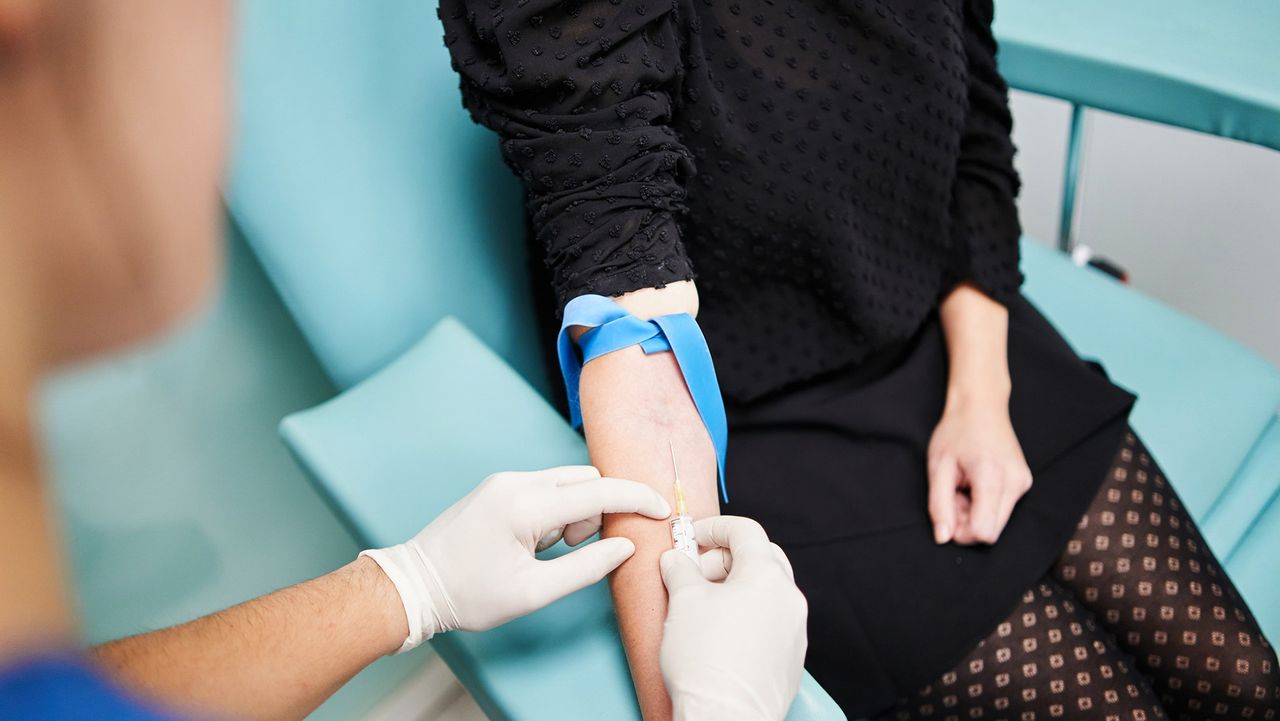
Multi-Cancer Blood Test Galleri Fails Primary Trial Endpoint
A major clinical trial of Galleri, a blood test designed to detect multiple cancers early, failed to meet its primary goal of reducing late-stage cancer diagnoses when results were announced in February. Multi-cancer early detection (MCED) tests aim to improve survival rates by identifying disease at earlier, more treatable stages. The failure raises questions about the effectiveness of this promising diagnostic approach despite initial scientific enthusiasm.
Study Uses CPAP Data to Measure Social Jet Lag in Sleep Apnea Patients
Researchers analyzed CPAP adherence records from nearly 3,000 obstructive sleep apnea patients to measure social jet lag—the circadian misalignment between work and free days. About 16-21% of patients showed moderate to severe social jet lag, with prevalence highest in younger and middle-aged adults and declining after age 65. The findings suggest CPAP devices could routinely screen for circadian misalignment, potentially identifying patients who need additional behavioral or activity-based interventions.

FDA Updates Alli Label to Warn of Rare but Potentially Fatal Kidney Problems
The FDA has approved updated labeling for Alli, an over-the-counter weight loss pill, to warn of rare risks including acute kidney injury, kidney stones, and oxalate nephropathy. The agency now instructs people with kidney disease history to consult a doctor before use and directs all users to stop taking the drug if they experience symptoms like back pain, blood in urine, or leg swelling. This warning is significant because Alli is the only OTC weight loss medication available in the U.S., and approximately 40 million people have used orlistat (Alli's generic form) since its approval in 1999.