Wizz Air Reports €50 Million Earnings Hit From Iran Conflict; Airlines Face Rising Costs
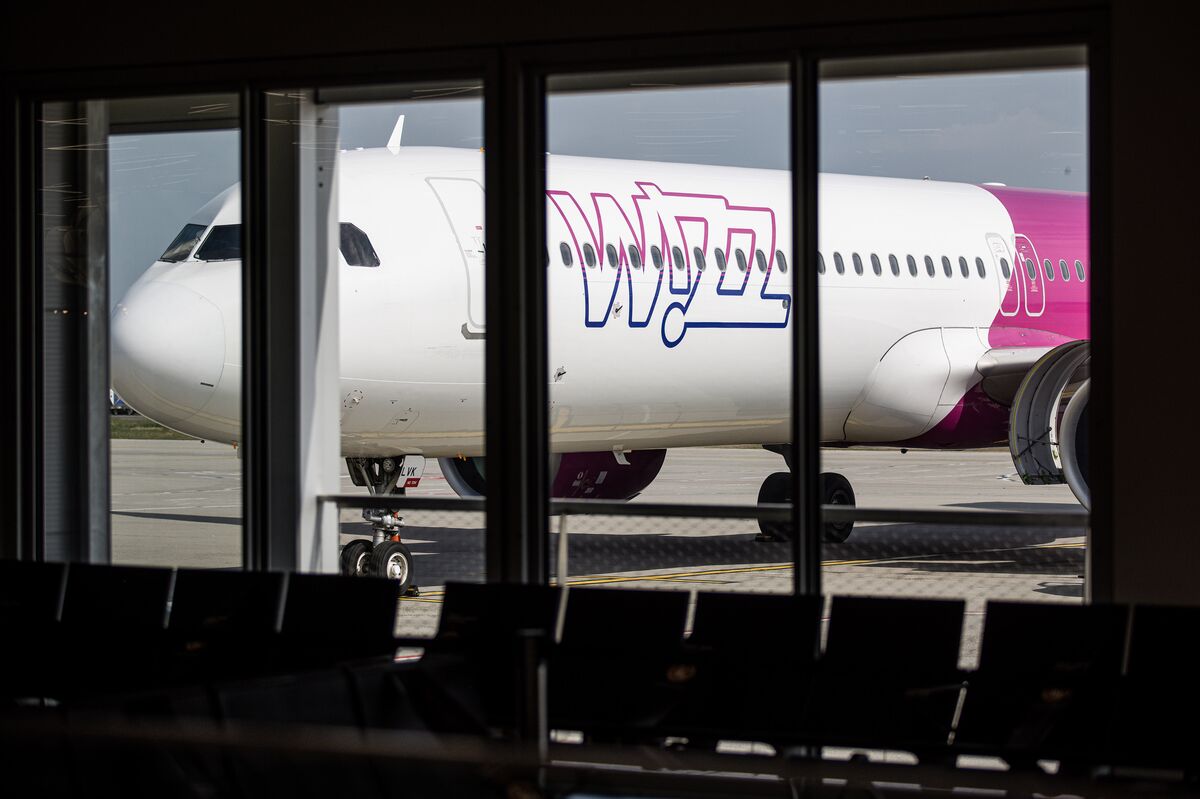
The ongoing Iran conflict and closure of the Strait of Hormuz have sent jet fuel prices sharply higher, hammering airline earnings and pushing U.S. airfare up 30% in five months. Wizz Air reported net income collapsing to €2.2 million for its fiscal year through March — down from €225.8 million the prior year — and declined to issue forward guidance, while African carriers face even steeper structural pressures. The disruption signals a broad, sustained threat to aviation affordability and connectivity worldwide.
The Iran war, which effectively closed the Strait of Hormuz in February 2026, has become a defining shock for the global aviation industry. Wizz Air attributed a €50 million earnings hit to the conflict, reducing full-year net income to just €2.2 million, and withheld fiscal 2027 guidance citing 'lack of visibility' — though it still projected 15–20% capacity growth in the first two quarters. In the United States, Bureau of Labor Statistics data show the airline fare index rose from roughly 253.7 in January 2026 to 329.8 by May 2026, a 30% increase in five months and a 26.7% year-over-year jump — the largest single-month rise in four years. Legacy carriers have been particularly aggressive in passing fuel costs to consumers, and United Airlines CEO Scott Kirby has signaled the airline intends to retain a significant portion of fare increases even if oil prices normalize. African airlines face compounding vulnerabilities: the African Airlines Association reports carriers were already paying about 17% above the global average for jet fuel before the conflict, and fuel represents 30–40% of operating costs, leaving little room to absorb further shocks without cutting routes or frequencies. Structural solutions being explored include sourcing refined fuel from Nigeria's Dangote Refinery, though the continent's long-term resilience depends on building domestic refining capacity.
Data: Article outlet (Bloomberg/BLS data table)
What's missing
The articles do not detail the current trajectory of the Iran conflict itself — whether a ceasefire or Strait of Hormuz reopening is under negotiation — which is the single largest variable determining how long these aviation pressures persist.
How coverage differed
The One Mile at a Time piece frames the airfare surge partly as a political story, explicitly attributing blame to 'Trump's Iran War' in its headline and criticizing Transportation Secretary Sean Duffy by name, while Bloomberg, Yahoo Finance, and AP present the same economic disruptions in neutral, industry-focused terms without assigning political responsibility.
What different sources said
- One Mile at a TimeCenter
Trump's Iran War Fuels Skyrocketing Airfare: Data Shows 30% Increase In Five Months
- BloombergCenter
Wizz Air Says Iran Conflict Cut into Earnings; Omits Outlook
- Yahoo FinanceCenter
Wizz Air Withholds Guidance Due to Middle East Conflict
- AP NewsCenter
Iran war is straining African airlines, industry body warns
Related

SpaceX IPO Makes Elon Musk World's First Trillionaire as Shares Surge 19% on Debut
SpaceX shares closed up 19% on their first trading day, pushing Elon Musk's net worth to approximately $1.11 trillion and making him the first individual in history to cross the trillion-dollar threshold. The company raised $75 billion at an IPO price of $135 per share, with shares closing near $161, giving SpaceX a market capitalization of roughly $2.1 trillion despite the company reporting a net loss of $4.94 billion in 2025. The milestone has drawn both investor enthusiasm and sharp criticism over Musk's social media conduct and concerns that the IPO's structure exploits passive index fund mechanics to extract wealth from ordinary retirement savers.
Delhi Power Bills to Rise for Some Consumers as Regulator Approves Higher Electricity Surcharge
Delhi's electricity regulator DERC has approved increased Power Purchase Adjustment Charges (PPAC) for distribution companies, raising bills for consumers in south, east, and central Delhi from July 2026. The hike follows a sharp rise in power procurement costs in April 2026, driven by higher summer demand and elevated fuel prices. The change also marks a structural shift from quarterly to monthly PPAC revisions, making electricity bills more responsive to real-time cost fluctuations.

SEC Proposes Repealing Rule 611 and Rule 610(e) of Regulation NMS
The Securities and Exchange Commission proposed on June 11, 2026, to rescind Rule 611 and Rule 610(e) of Regulation NMS, which govern trade-through protections and locking/crossing quotations in equity markets. Rule 611, in place for roughly two decades, requires trades to be executed at the best available price across exchanges. The proposal could reshape equity market structure and has implications for emerging areas such as tokenized stocks.