SpaceX IPO Makes Elon Musk World's First Trillionaire as Shares Surge 19% on Debut
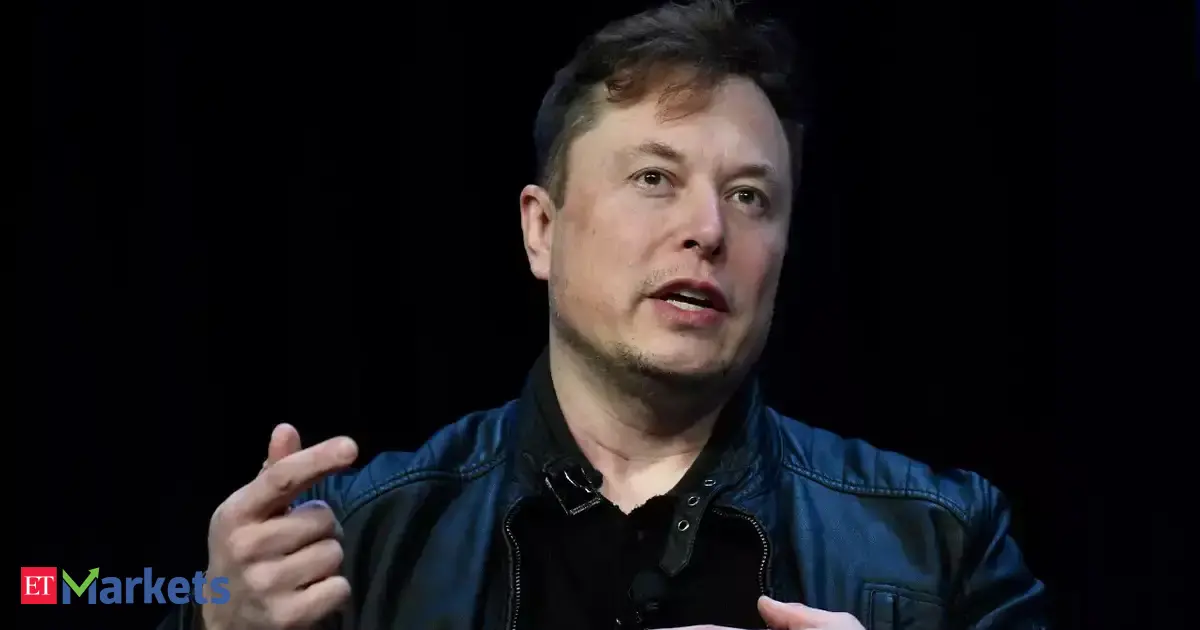
SpaceX shares closed up 19% on their first trading day, pushing Elon Musk's net worth to approximately $1.11 trillion and making him the first individual in history to cross the trillion-dollar threshold. The company raised $75 billion at an IPO price of $135 per share, with shares closing near $161, giving SpaceX a market capitalization of roughly $2.1 trillion despite the company reporting a net loss of $4.94 billion in 2025. The milestone has drawn both investor enthusiasm and sharp criticism over Musk's social media conduct and concerns that the IPO's structure exploits passive index fund mechanics to extract wealth from ordinary retirement savers.
SpaceX debuted on public markets under the ticker SPCX, opening at $150 per share — 11% above its $135 IPO price — and closing near $161, with more than 500 million shares traded in a session that rivaled Facebook's 2012 debut volume. The listing vaulted Elon Musk's net worth, per the Bloomberg Billionaires Index, to $1.11 trillion, exceeding the combined fortunes of Larry Page, Sergey Brin, Jeff Bezos, and Larry Ellison. Musk retains approximately 82.4% of voting rights through Class B shares carrying ten votes each, while public investors hold Class A shares with one vote apiece. Critics have raised structural concerns: SpaceX offered only a thin float of roughly 5% of shares and reportedly negotiated with exchanges to secure fast-track inclusion in major index funds, meaning passive funds managing trillions in retirement assets will be mechanically obligated to purchase SpaceX stock regardless of valuation, potentially forcing sell-offs of other equities. Separately, screenshots documented in The Bulwark show Musk engaging with and amplifying posts by an account called DuxVul that expressed white supremacist views and endorsed far-right violence against Black and brown communities in Europe, including attacks in Belfast framed as a model 'Reconquista.' SpaceX reported $18.67 billion in revenue for 2025 but remains unprofitable, with investor optimism driven by future prospects in satellite broadband, launch services, defense contracts, and AI.
What's missing
It remains unclear which specific exchange won the bidding process for SpaceX's listing and precisely what rule changes, if any, were granted to accelerate index inclusion. The full mechanics of SpaceX's anticipated addition to major indices have not been detailed in the sources beyond a general reference to a two-week fast-track period, nor has there been independent regulatory commentary on whether the dual-class share structure or float engineering practices described raise actionable legal or compliance concerns.
How coverage differed
The Economic Times covered the IPO in largely celebratory terms, focusing on Musk's historic wealth milestone and SpaceX's market performance with minimal critical framing. The Bulwark, by contrast, led with accusations that Musk is 'openly racist' and responsible for deaths of 'poor, brown people,' devoted substantial space to documenting his amplification of white supremacist content, and framed the IPO's index-fund mechanics as a systemic exploitation of ordinary retirement savers — characterizing the event as emblematic of authoritarian wealth consolidation rather than a market triumph.
What different sources said
- Yahoo FinanceCenter
Space Stocks Rally After SpaceX Sets Record IPO Price at $135 Per Share
- The BulwarkCenter
SpaceX, Late-Stage Capitalism, and the Trillionaire’s Race War
- The Economic TimesCenter
Elon Musk net worth tops combined wealth of next 4 billionaires after historic SpaceX debut
Related

Delhi Power Bills to Rise for Some Consumers as Regulator Approves Higher Electricity Surcharge
Delhi's electricity regulator DERC has approved increased Power Purchase Adjustment Charges (PPAC) for distribution companies, raising bills for consumers in south, east, and central Delhi from July 2026. The hike follows a sharp rise in power procurement costs in April 2026, driven by higher summer demand and elevated fuel prices. The change also marks a structural shift from quarterly to monthly PPAC revisions, making electricity bills more responsive to real-time cost fluctuations.

SEC Proposes Repealing Rule 611 and Rule 610(e) of Regulation NMS
The Securities and Exchange Commission proposed on June 11, 2026, to rescind Rule 611 and Rule 610(e) of Regulation NMS, which govern trade-through protections and locking/crossing quotations in equity markets. Rule 611, in place for roughly two decades, requires trades to be executed at the best available price across exchanges. The proposal could reshape equity market structure and has implications for emerging areas such as tokenized stocks.

Air India to Cut Flights and Defer Aircraft Orders as Tata Group Pushes to Reduce Losses
Air India is planning to downsize operations by deferring aircraft deliveries, cutting flights, and postponing expansion plans. The move comes after majority owner Tata Group directed the airline to prioritize reducing its record losses. The decision signals a significant strategic pullback for one of India's most prominent carriers following its privatization.