Wildfires Are Reversing Decades of U.S. Progress on Ground-Level Ozone Pollution
A study of atmospheric data from 2003 to 2024 found that wildfire smoke has reversed the United States' long-term decline in surface ozone pollution, with ozone levels increasing by about 0.13 parts per billion annually since 2015 after falling by 0.65 ppb annually from 2003 to 2015. Wildfires emit gases that form ground-level ozone, a harmful air pollutant that irritates lungs and worsens respiratory diseases, and the trend reversal coincides with increased wildfire severity across North America. This reversal undermines decades of air quality improvements achieved through vehicle and industrial emission regulations, and wildfire smoke can travel thousands of miles, affecting communities far from fire sources.
Researchers analyzing 22 years of ozone monitoring data found that wildfire smoke has reversed the United States' steady progress in reducing surface ozone pollution, the main ingredient in smog. From 2003 to 2015, national ozone levels declined by approximately 0.65 parts per billion per year due to regulations on vehicles, power plants, and industrial sources. However, since 2015, as North American wildfires have become more severe, ozone levels have increased by about 0.13 parts per billion annually. The study, which combined EPA monitoring station data with satellite information and air quality modeling, estimated that ozone-related premature deaths from wildfires have increased by approximately 300 deaths per year since 2015. The impact extends far beyond western fire zones; smoke from Canadian wildfires in 2023 caused ozone to reach unhealthy levels across the Midwest and affected areas as far east as Georgia and New York, with 43 million additional Americans living in areas exceeding healthy ozone standards that year.
What different sources said
- The ConversationCenter
Wildfires are reversing America’s progress on ozone pollution, the main ingredient in smog
Related
New AI Framework Improves Evidence-Based Analysis for Muon Collider Research
Researchers have developed an AI system called agentic hybrid RAG that combines retrieval and reasoning techniques to help scientists find and verify evidence in muon collider research literature. The framework integrates both keyword-based and semantic search methods with AI reasoning to decompose complex queries and synthesize answers. This work addresses a growing need in high-energy physics for AI-assisted tools that can reliably navigate rapidly expanding scientific literature.
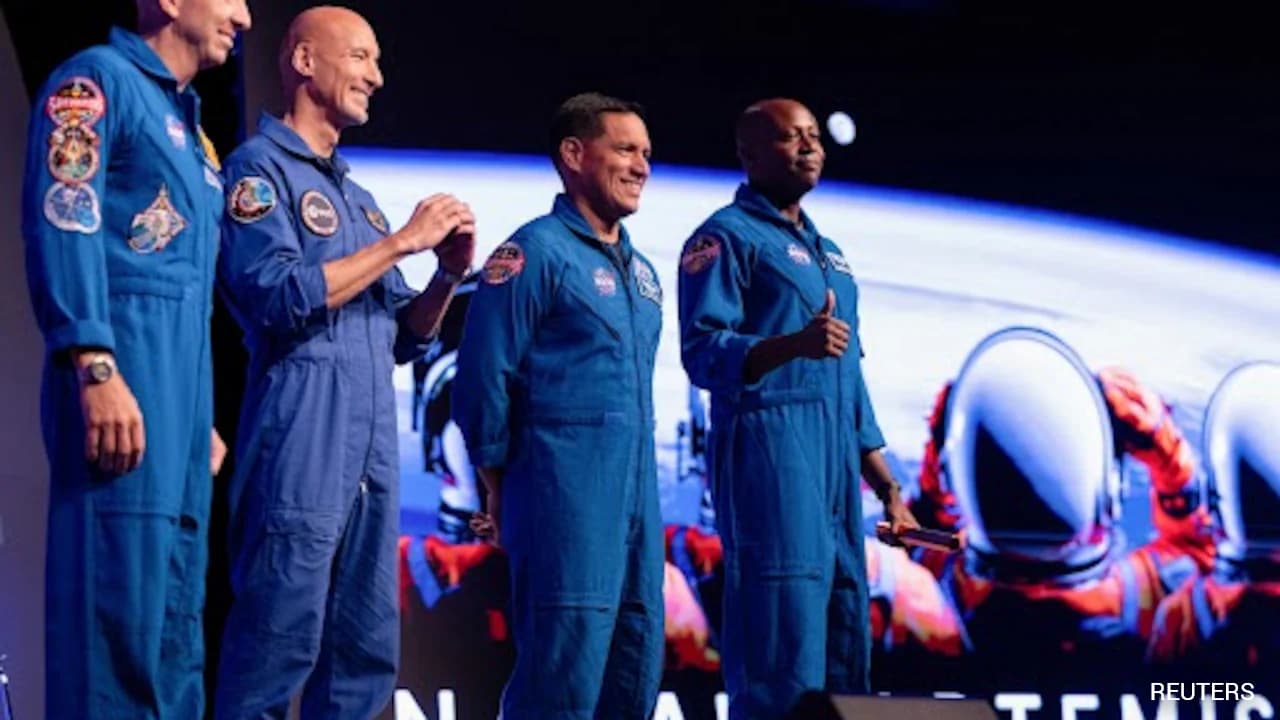
NASA Announces Four-Astronaut Crew for Artemis III Moon Mission
NASA named three U.S. astronauts and one Italian astronaut from the European Space Agency as the crew for Artemis III, scheduled to launch in 2027. The mission will conduct a docking demonstration in Earth's orbit and test moon landers from SpaceX and Blue Origin. The crew includes a veteran test pilot, a record-holder for longest U.S. spaceflight, and a first-time space flyer.
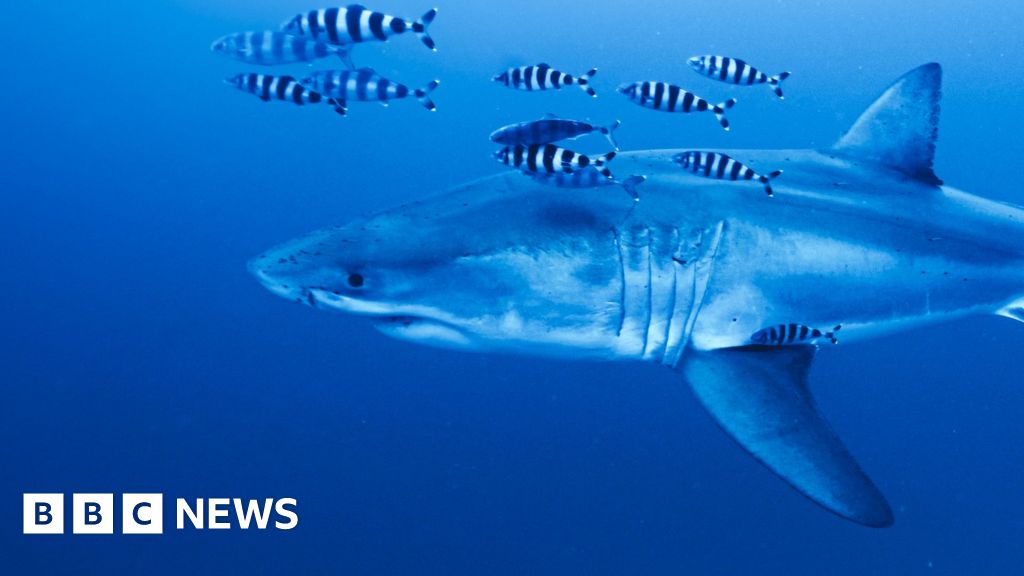
Rare Great White shark filmed in Mediterranean Sea between Tunisia and Sicily
A volunteer diver captured rare footage of a Great White shark in the Mediterranean Sea in May while working to document ghost fishing nets. The sighting is significant because Great Whites are thought to be near extinction in the Mediterranean due to overfishing. Conservationists hope the discovery will prompt governments to establish marine protected areas in the region.