WH Smith Cuts Profit Outlook and Raises £100m Capital Amid Middle East Conflict Impact
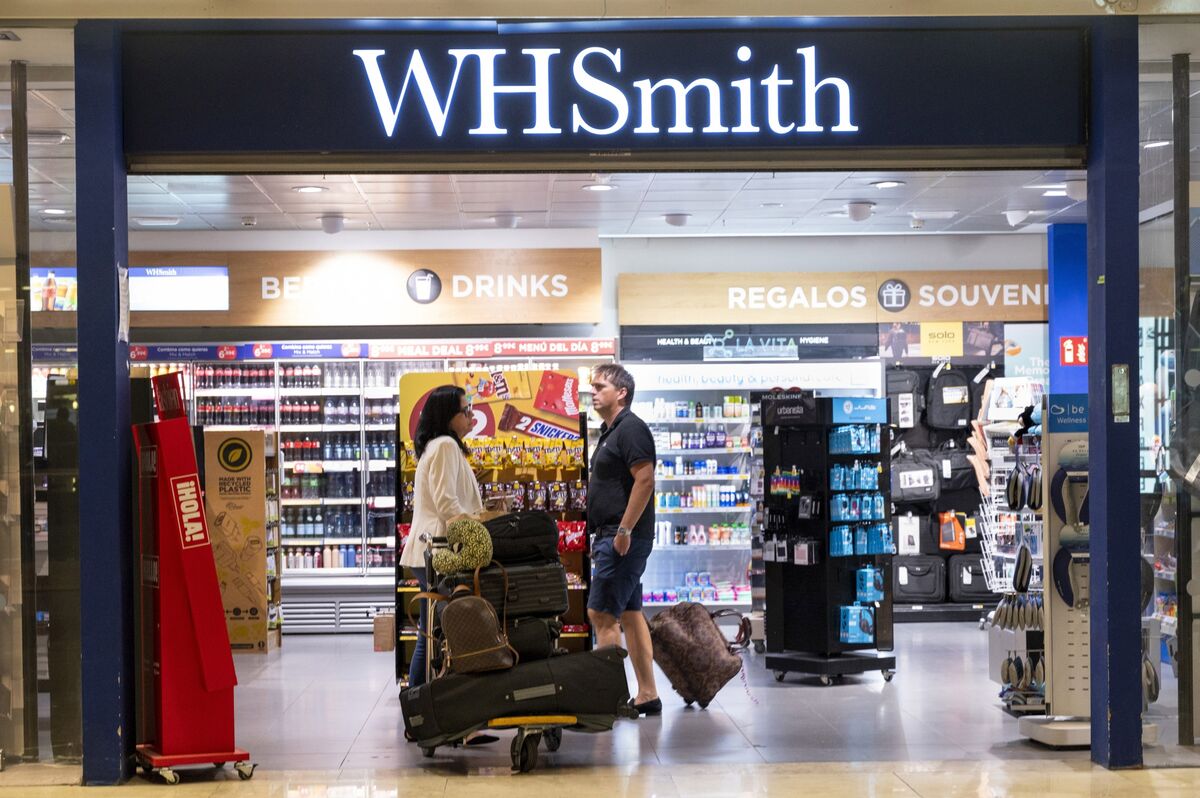
WH Smith has cut its full-year profit outlook and raised £102m through a share sale after the Middle East conflict reduced passenger numbers and depressed sales at its airport stores in both the UK and North America. The retailer now expects pre-tax profits of £75m–£90m, down from prior guidance of £90m–£105m, and will book a £150m non-cash impairment charge. The announcement compounds an already turbulent period for the company, which is also grappling with an accounting scandal and a share price that has fallen more than 60% over the past year.
WH Smith, which operates around 1,200 outlets globally in airports, railway stations, and hospitals, issued a profit warning on Wednesday citing a downturn in trading conditions linked to the conflict in the Middle East. North American airport revenues fell 2% year on year in the seven weeks to 6 June, while UK airport revenues were flat over the same period; overall group revenues rose just 1%. The company raised £102m by issuing approximately 26 million new shares, intending to use the proceeds to strengthen its balance sheet, pay down debt, invest in technology, and close unprofitable stores. Shares fell nearly 20% intraday to their lowest level since 2010, closing down 16.2% at 412.6p. Executive chair Leo Quinn described the measures as a 'self-help' programme, including plans to exit loss-making operations, renegotiate contracts, and convert some directly run stores to franchises. The results come on top of an ongoing accounting scandal in which profits at WH Smith's North American arm were overstated by as much as £50m, prompting investigations by both the Financial Conduct Authority and the Financial Reporting Council into the company and its auditor PwC, and the resignation of former chief executive Carl Cowling.
What's missing
The articles do not specify the precise mechanism by which the Middle East conflict is reducing passenger numbers at US airports — for instance, whether this reflects reduced transatlantic or Middle Eastern routes, broader consumer confidence effects, or fuel-cost-driven capacity cuts. The timeline and expected resolution of the FCA and FRC investigations are also not addressed.
How coverage differed
The Guardian framed the story with broader structural context, including the accounting scandal and existential risk to the company, while Bloomberg and The Telegraph emphasised the immediate financial distress and urgency of the capital raise; The Telegraph's headline used notably more alarming language ('urgent cash plea,' 'airport sales crash') compared to the more measured tone of other outlets.
What different sources said
WH Smith raises £100m as it warns on profits due to Iran war
- The TelegraphRight
WH Smith issues urgent cash plea as airport sales crash
- Yahoo FinanceCenter
WH Smith Shares Hit 16-Year Low After Guidance Cut, Fundraising
- The TimesCenter
WH Smith seeks £100m from investors after profit warning
- BloombergCenter
WH Smith Cuts Outlook, Seeks Capital as Iran War Weighs on Sales
Related

SpaceX IPO Makes Elon Musk World's First Trillionaire as Shares Surge 19% on Debut
SpaceX shares closed up 19% on their first trading day, pushing Elon Musk's net worth to approximately $1.11 trillion and making him the first individual in history to cross the trillion-dollar threshold. The company raised $75 billion at an IPO price of $135 per share, with shares closing near $161, giving SpaceX a market capitalization of roughly $2.1 trillion despite the company reporting a net loss of $4.94 billion in 2025. The milestone has drawn both investor enthusiasm and sharp criticism over Musk's social media conduct and concerns that the IPO's structure exploits passive index fund mechanics to extract wealth from ordinary retirement savers.
Delhi Power Bills to Rise for Some Consumers as Regulator Approves Higher Electricity Surcharge
Delhi's electricity regulator DERC has approved increased Power Purchase Adjustment Charges (PPAC) for distribution companies, raising bills for consumers in south, east, and central Delhi from July 2026. The hike follows a sharp rise in power procurement costs in April 2026, driven by higher summer demand and elevated fuel prices. The change also marks a structural shift from quarterly to monthly PPAC revisions, making electricity bills more responsive to real-time cost fluctuations.

SEC Proposes Repealing Rule 611 and Rule 610(e) of Regulation NMS
The Securities and Exchange Commission proposed on June 11, 2026, to rescind Rule 611 and Rule 610(e) of Regulation NMS, which govern trade-through protections and locking/crossing quotations in equity markets. Rule 611, in place for roughly two decades, requires trades to be executed at the best available price across exchanges. The proposal could reshape equity market structure and has implications for emerging areas such as tokenized stocks.