U.S. Trade Deficit Narrows in April Amid Record Oil Exports and AI Equipment Imports
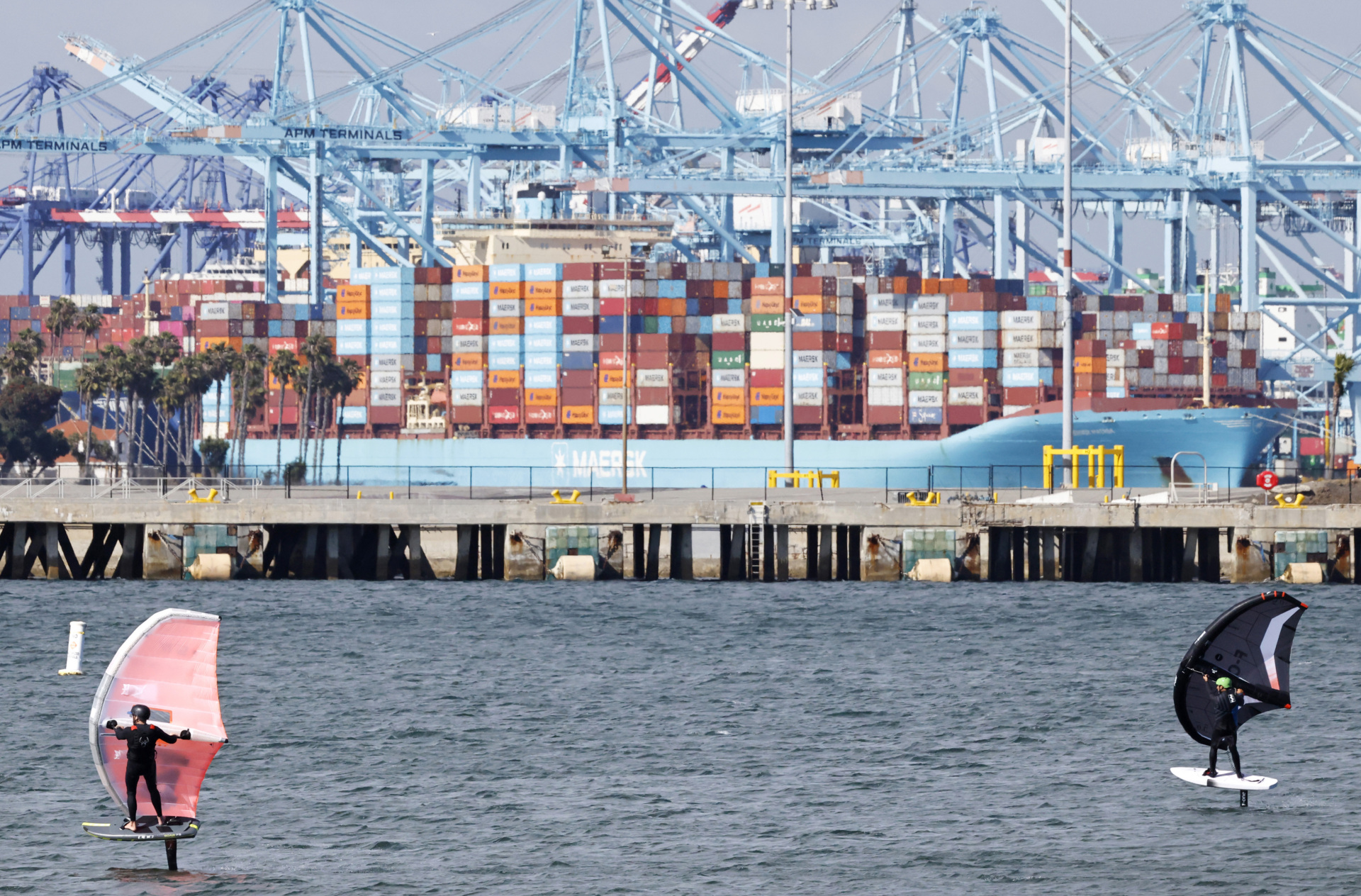
The U.S. trade deficit contracted 1.2% to $55.9 billion in April, matching economist forecasts, as record petroleum exports surged while imports of AI infrastructure equipment climbed to record levels. Petroleum exports hit $36.7 billion due to elevated crude prices, while capital goods imports reached $126.9 billion driven by data center construction. The underlying trade position remained relatively stable despite the headline improvement.
The U.S. trade deficit narrowed slightly in April to $55.9 billion from a revised $56.6 billion in March, according to Commerce Department data. Exports rose 2.6% to $327.1 billion while imports climbed 2.0% to $383.0 billion. The primary driver of export growth was petroleum, which reached record volumes at $36.7 billion, up from $27.6 billion in March, as crude oil prices exceeded $100 per barrel. On the import side, capital goods hit a record $126.9 billion, with significant increases in computers, semiconductors, and telecommunications equipment reflecting continued domestic data center expansion. The goods trade deficit with China narrowed by $2.6 billion to $12.0 billion, while the deficit with Vietnam widened. Services exports declined slightly to $105.8 billion, while services imports rose to $78.0 billion, maintaining a services surplus of $27.8 billion.
What's missing
The article references a 'U.S.-backed war with Iran' beginning in late February and mentions 'Trump's Liberation Day tariffs,' both of which are contested characterizations not independently verified in the provided source. The claim about the Strait of Hormuz being 'effectively closed' lacks supporting evidence in the article. Additionally, the year-to-date comparison to 2025 contains an apparent temporal inconsistency that warrants clarification.
What different sources said
- BreitbartFar Right
U.S. Trade Deficit Narrows Amid Record Oil Export Surge and AI Imports
Related
Higher Oil Prices Boost Russia's Government Revenue but Fail to Accelerate Economic Growth
Rising oil prices are increasing Russia's government revenue and current-account surplus despite Western sanctions, with every $10 increase in oil prices adding roughly $21 billion in budget revenue. However, severe labor shortages from military losses and emigration, combined with weak productivity, are preventing the economy from expanding beyond 0.9% growth in 2026. The oil windfall highlights structural constraints in Russia's economy that money alone cannot overcome.

U.S. Markets Stage Rebounds Following Chip Stock Selloff
U.S. markets have rebounded twice following a dramatic Friday selloff in chip stocks, with gains at Monday's open and Tuesday afternoon. The Nasdaq 100 remains down 4.25% for the month despite the recoveries, and volatility has increased sharply. The pattern reflects the market's traditional 'buy the dip' behavior as investors resist giving up recent gains.
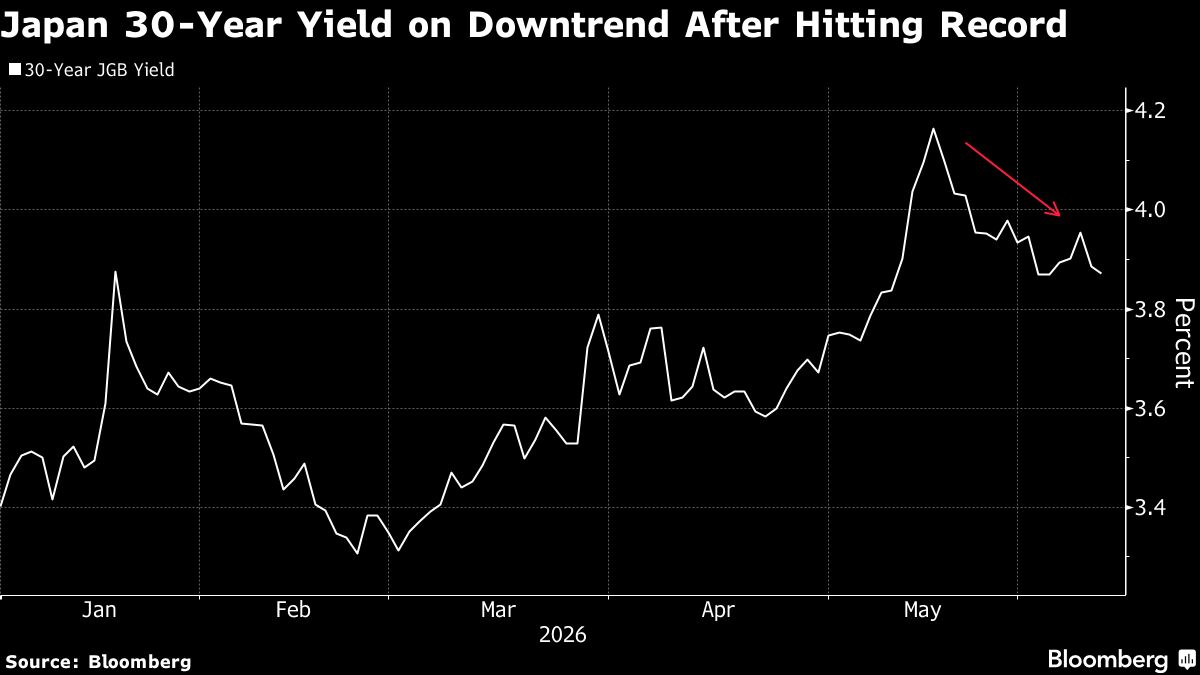
Japan's 30-Year Bond Auction Sees Weakest Demand in Over a Year
Japan's 30-year government bond auction on June 10, 2026 attracted the weakest demand since June 2025, with a bid-to-cover ratio of 2.94 compared to the previous 3.49. The decline reflects investor concerns over inflation and fiscal policy, as well as falling yields reducing appetite for the bonds. Weak bond demand can signal investor anxiety about Japan's economic outlook and fiscal sustainability.