Higher Oil Prices Boost Russia's Government Revenue but Fail to Accelerate Economic Growth
Rising oil prices are increasing Russia's government revenue and current-account surplus despite Western sanctions, with every $10 increase in oil prices adding roughly $21 billion in budget revenue. However, severe labor shortages from military losses and emigration, combined with weak productivity, are preventing the economy from expanding beyond 0.9% growth in 2026. The oil windfall highlights structural constraints in Russia's economy that money alone cannot overcome.
Goldman Sachs analysis shows that Russia is benefiting substantially from elevated oil prices, with Brent crude trading around $92 per barrel—approximately 30% higher since regional tensions escalated. Russia's current-account surplus is expected to nearly double to 3.2% of GDP in 2026 from 1.7% in 2025, and government finances are strengthening as higher oil revenues flow in. However, economist Clemens Grafe notes that Russia faces binding constraints on growth: the labor market is extremely tight with unemployment near record lows, approximately 2 million workers have been lost to military service and emigration, and productivity growth has weakened. As a result, additional government spending risks fueling inflation rather than expanding economic output. Goldman forecasts Russian economic growth of just 0.9% in 2026, down from 1% in 2024 and 4.3% in 2025, suggesting that the oil windfall cannot overcome these structural economic challenges.
What different sources said
- Business InsiderLeft
Higher oil prices are making Russia richer — but not helping its economy grow, Goldman says
Related
U.S. Inflation Expected to Reach 3-Year High in May Amid Iran War and Tariff Effects
Consumer prices are forecast to have jumped to 4.2% annually in May, the highest in three years, according to economist surveys ahead of Labor Department data release. The increase follows Trump administration tariffs imposed in April 2025 and recent oil price spikes tied to the Iran war. The inflation surge poses political challenges for the Trump administration ahead of midterm elections and complicates the Federal Reserve's efforts to control price growth.
Public Procurement Model Could Save UK Households £200 Annually on Electricity Bills, Research Suggests
A thinktank report proposes that the UK government act as a single buyer of electricity, potentially saving households nearly £200 per year by breaking the link between gas and electricity prices. Currently, gas generators set wholesale prices for 80-90% of the time despite producing only a quarter of power, allowing private generators to capture windfall profits while consumers pay some of the world's highest bills. The proposal would require structural market reform and could deliver £41-74 billion in total savings depending on future gas price levels.
South Africa's Eskom Spinoff Plan Raises Credit Profile Concerns
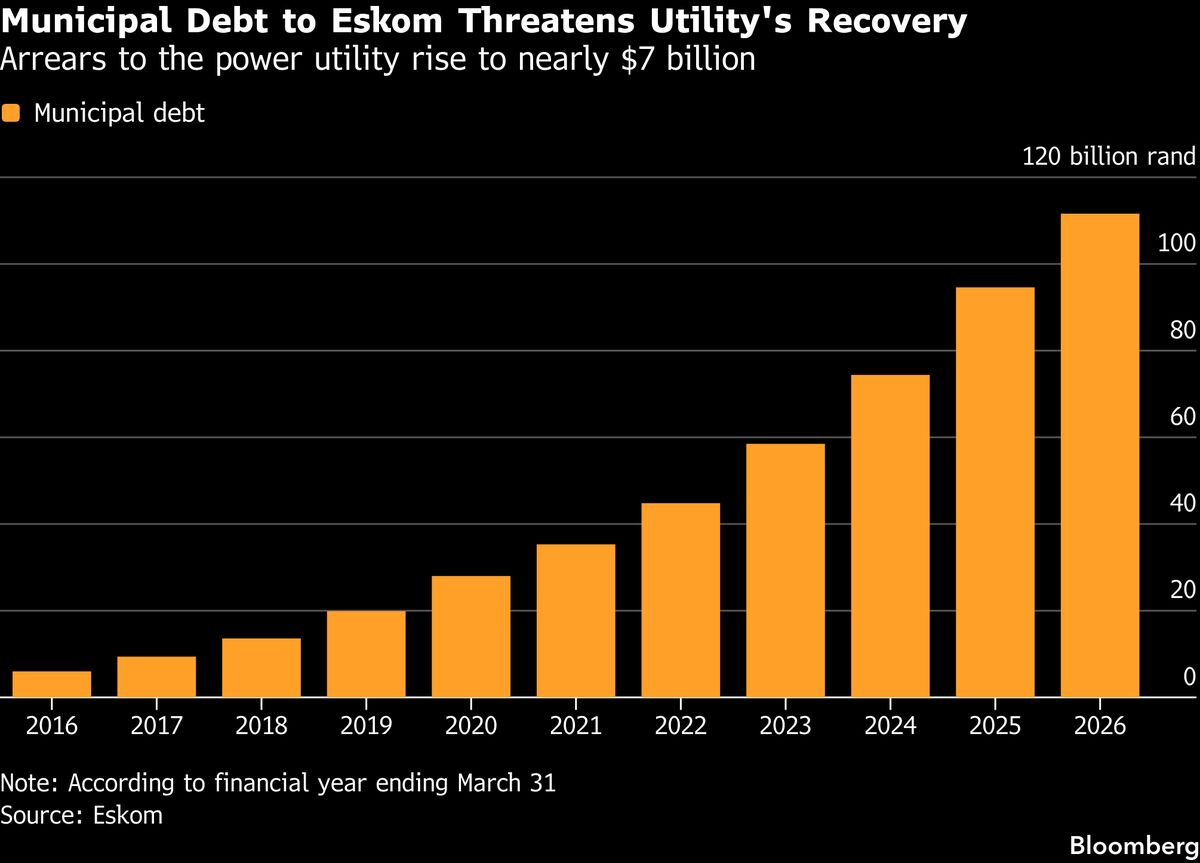
South Africa is planning to split state-owned power utility Eskom Holdings into separate units, a restructuring that could weaken the company's financial risk profile. The transmission unit, which generates a significant portion of Eskom's earnings, would be separated under the plan. Financial analysts and ratings agencies worry the spinoff could negatively impact the utility's creditworthiness.