US jobless aid applications rise to 229,000, remain historically low despite economic concerns
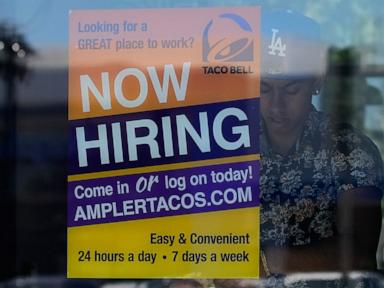
Initial unemployment claims rose by 4,000 to 229,000 for the week ending June 6, the highest level since before the US-Israel military campaign against Iran began in late February. The reading came in above analyst forecasts of roughly 216,000–220,000, and the four-week moving average climbed to 219,000. Despite the uptick, economists and analysts characterize the labor market as remaining relatively healthy amid broader economic pressures including 4.2% inflation and elevated energy prices.
The Labor Department reported Thursday that initial jobless claims rose by 4,000 to a seasonally adjusted 229,000 for the week ending June 6, the highest since early February 2025 and above consensus forecasts of approximately 216,000–220,000. The four-week moving average, considered a smoother indicator of labor market trends, rose to 219,000, while continuing claims for the week ending May 30 increased by roughly 24,000 to 1.795 million. The data arrives against a backdrop of economic strain tied to the ongoing US-Israel conflict with Iran, which has contributed to Strait of Hormuz disruptions, elevated oil and gas prices, and consumer inflation reaching 4.2% in May — a three-year high. Despite these headwinds, hiring has shown resilience: employers added a surprising 172,000 jobs in May, and the economy has averaged 188,000 monthly job gains over the three months since the conflict began, the best such stretch since early 2024. The unemployment rate holds at a historically low 4.3%, and job openings rose to 7.6 million in April. The Federal Reserve, now under incoming Chair Kevin Warsh, is widely expected to hold its benchmark interest rate steady at next week's meeting, with some policymakers even signaling openness to a rate hike to combat persistent inflation.
What's missing
The articles do not clarify the specific mechanism by which claims rose if layoffs are not increasing — for example, whether the uptick reflects seasonal adjustment anomalies, increased voluntary separations, or other factors.
How coverage differed
ABC News framed the claims data within a broad labor market narrative, emphasizing resilience despite war-related headwinds. MarketWatch highlighted that rising claims do not reflect actual increases in layoffs, offering a more nuanced reassurance to readers. Kitco focused primarily on the data's muted impact on gold prices, reflecting its commodity-market audience.
What different sources said
- KITCOCenter
Gold price remains under pressure as U.S. jobless claims rises to 229k
- MarketWatchCenter
Jobless claims rise to 4½-month high, but here’s the thing: Layoffs aren’t really rising
- ABC NewsCenter
US jobless aid filings rise to 229,000 last week, remain historically low despite war
Related

SpaceX IPO Makes Elon Musk World's First Trillionaire as Shares Surge 19% on Debut
SpaceX shares closed up 19% on their first trading day, pushing Elon Musk's net worth to approximately $1.11 trillion and making him the first individual in history to cross the trillion-dollar threshold. The company raised $75 billion at an IPO price of $135 per share, with shares closing near $161, giving SpaceX a market capitalization of roughly $2.1 trillion despite the company reporting a net loss of $4.94 billion in 2025. The milestone has drawn both investor enthusiasm and sharp criticism over Musk's social media conduct and concerns that the IPO's structure exploits passive index fund mechanics to extract wealth from ordinary retirement savers.

Delhi Power Bills to Rise for Some Consumers as Regulator Approves Higher Electricity Surcharge
Delhi's electricity regulator DERC has approved increased Power Purchase Adjustment Charges (PPAC) for distribution companies, raising bills for consumers in south, east, and central Delhi from July 2026. The hike follows a sharp rise in power procurement costs in April 2026, driven by higher summer demand and elevated fuel prices. The change also marks a structural shift from quarterly to monthly PPAC revisions, making electricity bills more responsive to real-time cost fluctuations.

SEC Proposes Repealing Rule 611 and Rule 610(e) of Regulation NMS
The Securities and Exchange Commission proposed on June 11, 2026, to rescind Rule 611 and Rule 610(e) of Regulation NMS, which govern trade-through protections and locking/crossing quotations in equity markets. Rule 611, in place for roughly two decades, requires trades to be executed at the best available price across exchanges. The proposal could reshape equity market structure and has implications for emerging areas such as tokenized stocks.