US-Iran Nuclear Talks Made Progress on Key Issues Before Recent Military Strikes
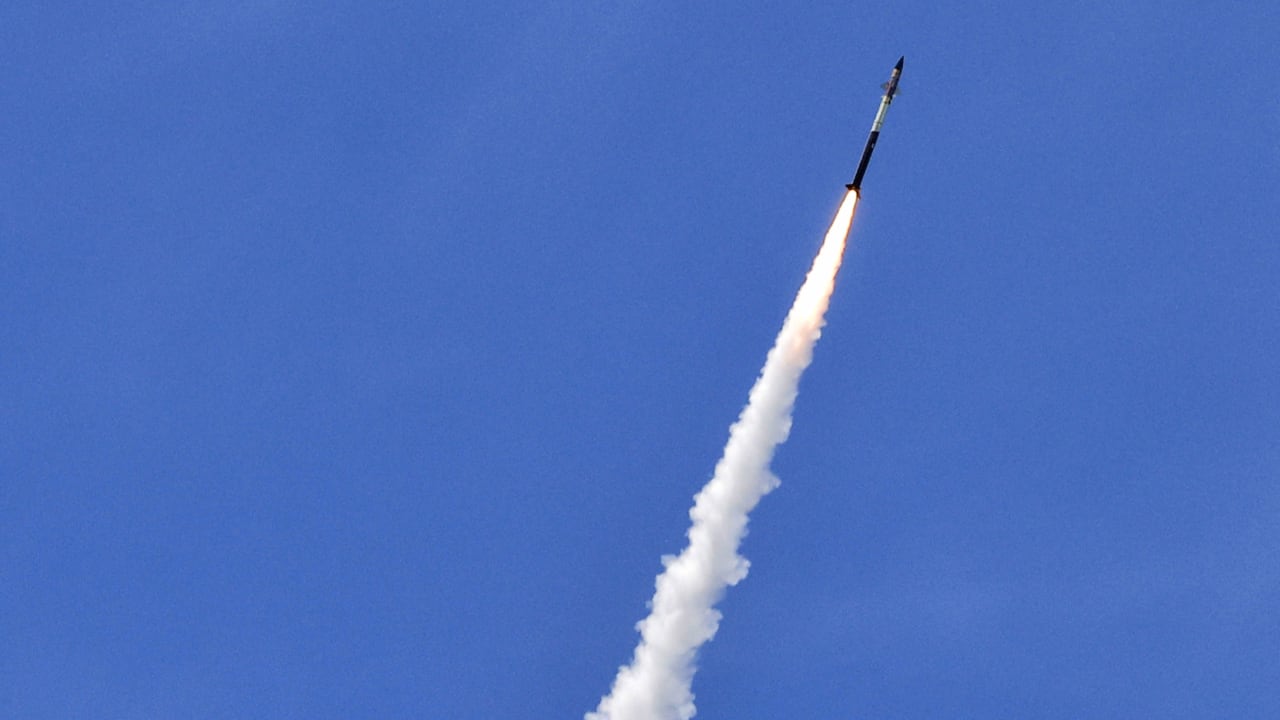
US-Iranian nuclear negotiations achieved progress on several key issues in the days before this week's military escalation, according to US officials cited by The New York Times. The talks have focused on four main elements: a 15-year suspension of uranium enrichment, dilution of enriched uranium, dismantlement of nuclear facilities, and expanded international inspections. US officials stated that the recent strikes would not impede ongoing negotiations toward a nuclear agreement.
According to US officials, US-Iranian nuclear negotiations have advanced significantly beyond initial discussions on the Strait of Hormuz, with diplomats narrowing focus to four core issues. The potential agreement framework includes a 15-year suspension of Iranian uranium enrichment (down from the Trump administration's initial 20-year demand), dilution of enriched uranium under International Atomic Energy Agency oversight, shutdown of Iran's three remaining nuclear facilities at Natanz, Fordow, and Isfahan, and implementation of surprise inspections throughout Iran. The negotiations occurred in the days preceding this week's military escalation, which began when the US struck Iran in response to the downing of a US Army Apache helicopter over the Strait of Hormuz. President Trump stated he believes a "very good" deal remains achievable despite the strikes, and multiple US officials told various news outlets that the military action would not derail diplomatic efforts.
What's missing
The article does not provide Iran's stated positions on these four key negotiating points, Iran's official response to the reported progress, or details about what triggered the Apache helicopter incident that prompted the US strikes.
What different sources said
- The Jerusalem PostRight
US-Iran nuclear talks saw progress on key issues before recent strikes - report
Related
Chevron and Argentine Shale Producers to Supply $3 Billion Natural Gas Liquids Project
Chevron and two other major Argentine shale producers are signing contracts this week to supply a natural gas liquids (NGL) project worth $3 billion. The supply agreements effectively guarantee the project will proceed, according to sources familiar with the matter. This development is significant for Argentina's energy sector and Chevron's operations in one of the world's largest shale reserves.

Sweden Donates Gripen Fighter Jets to Ukraine in Major Air Power Upgrade
Sweden has agreed to donate 16 Saab JAS 39 Gripen C/D fighter jets to Ukraine, with Kyiv purchasing 20 additional advanced Gripen E/F models, as part of a deal that could eventually reach 150 aircraft. The Gripen was designed during the Cold War to operate from austere locations and requires minimal ground crew, making it well-suited to Ukraine's operational environment. The acquisition represents a significant enhancement to Ukraine's air combat capabilities against Russian forces.

Military analysts assess potential challenges and risks of U.S. military intervention in Cuba
Military experts and Pentagon insiders are analyzing the potential difficulties and consequences of a possible U.S. military operation against Cuba under the Trump administration's pressure campaign. Cuba's cohesive communist government structure and loyal military differ significantly from Venezuela's fractured system, making regime change more complicated. The analysis highlights risks including humanitarian crises, migration surges, regional geopolitical shifts, and the absence of viable successor leadership.