US-Iran Conflict Triggers Global Economic Concerns as OECD Warns of Slowing Growth
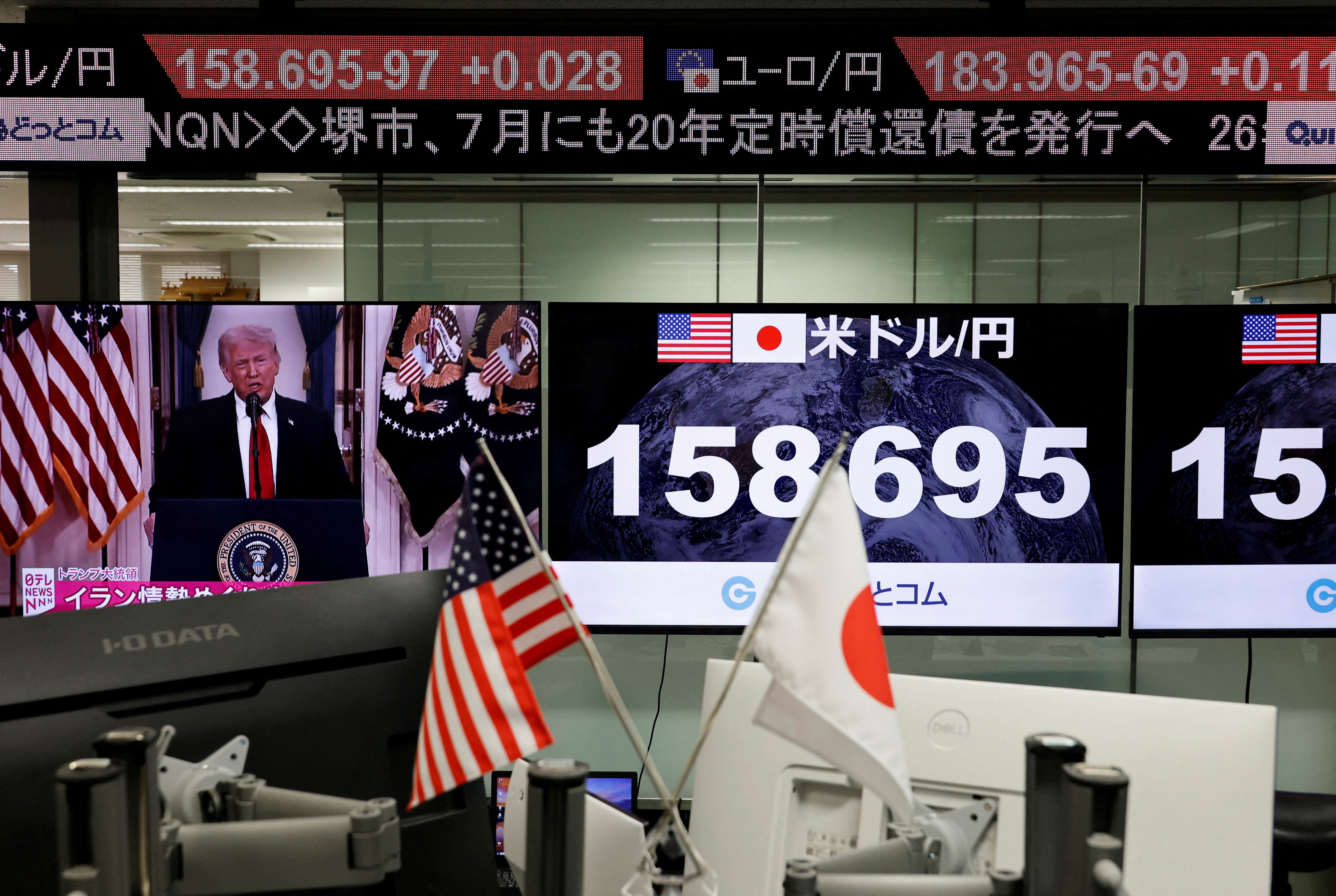
The US and Iran have escalated military attacks while international analysts warn of significant economic consequences. The OECD projects slowing growth in the US, China, and EU, with accelerating inflation globally if the conflict continues beyond 2024. The economic impact poses particular risks to vulnerable regions like Africa with limited fiscal capacity to absorb shocks.
Intensifying US-Iran military exchanges have prompted warnings from major economic institutions about broader global consequences. The OECD has issued projections showing slowed economic growth across major economies including the United States, China, and European Union, with deteriorating outlooks if hostilities persist. Inflation is expected to accelerate worldwide across both developed and developing nations, with early indicators already showing eurozone inflation exceeding European Central Bank targets. Developing regions face disproportionate vulnerability due to structural constraints: Africa's reliance on imported fuels, limited capital markets, and constrained fiscal budgets reduce its ability to absorb economic shocks from the conflict.
What's missing
The article does not specify the current date or timeline of these attacks, making it unclear whether this refers to recent escalations or an ongoing pattern. Additionally, no specific OECD growth rate projections or inflation percentage forecasts are provided, limiting quantitative assessment of the severity.
What different sources said
- SemaforCenter
Economic fears over US-Iran conflict mount
Related
Higher Oil Prices Boost Russia's Government Revenue but Fail to Accelerate Economic Growth
Rising oil prices are increasing Russia's government revenue and current-account surplus despite Western sanctions, with every $10 increase in oil prices adding roughly $21 billion in budget revenue. However, severe labor shortages from military losses and emigration, combined with weak productivity, are preventing the economy from expanding beyond 0.9% growth in 2026. The oil windfall highlights structural constraints in Russia's economy that money alone cannot overcome.

U.S. Markets Stage Rebounds Following Chip Stock Selloff
U.S. markets have rebounded twice following a dramatic Friday selloff in chip stocks, with gains at Monday's open and Tuesday afternoon. The Nasdaq 100 remains down 4.25% for the month despite the recoveries, and volatility has increased sharply. The pattern reflects the market's traditional 'buy the dip' behavior as investors resist giving up recent gains.
Japan's 30-Year Bond Auction Sees Weakest Demand in Over a Year
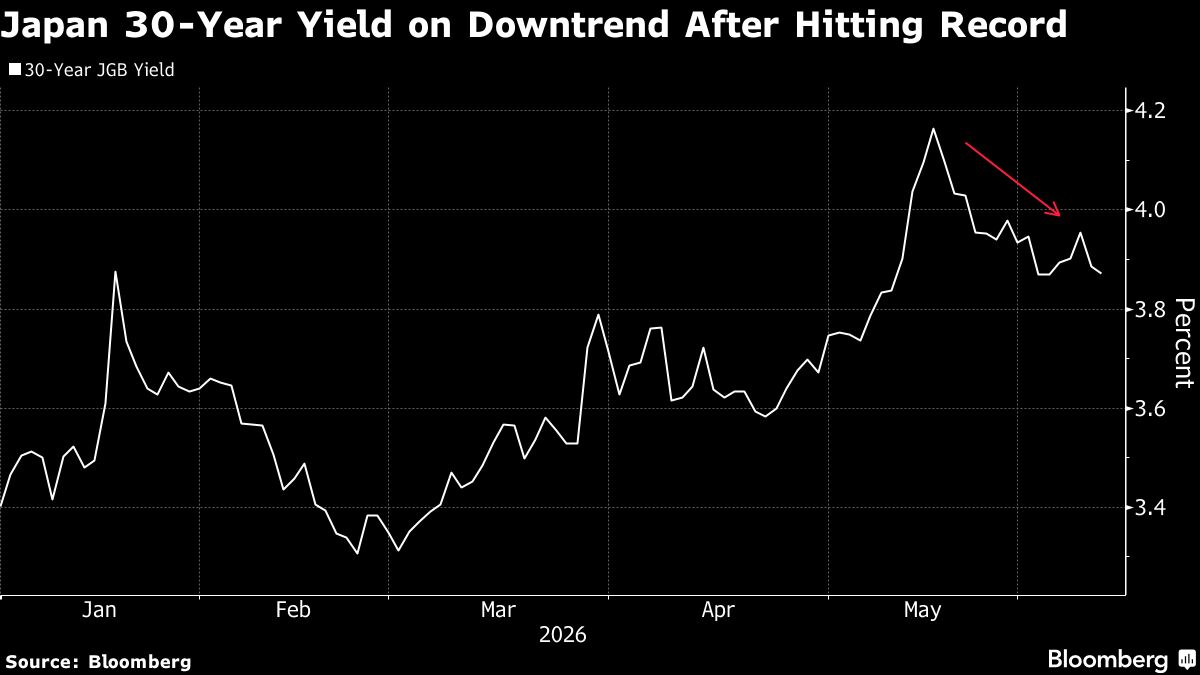
Japan's 30-year government bond auction on June 10, 2026 attracted the weakest demand since June 2025, with a bid-to-cover ratio of 2.94 compared to the previous 3.49. The decline reflects investor concerns over inflation and fiscal policy, as well as falling yields reducing appetite for the bonds. Weak bond demand can signal investor anxiety about Japan's economic outlook and fiscal sustainability.