US Fintech Firm iCapital Doubles Hong Kong Office Space Amid Asia Wealth Boom
iCapital, a US fintech company, has more than doubled its office space in Hong Kong's Central district, leasing 9,000 square feet to accommodate expected growth to 55-60 staff by 2029. The expansion reflects strong demand for wealth-management services as Hong Kong recently surpassed Switzerland as the world's largest cross-border wealth hub. The move positions iCapital to capitalize on increasing client demand for alternative investments and private market exposure in Asia.
iCapital, a US-based fintech firm, has significantly expanded its Hong Kong presence by leasing a 9,000 square foot office at One International Finance Centre in Central, more than doubling its previous footprint at St George's Building. The company plans to grow its Hong Kong headcount from approximately 30 staff to between 55 and 60 employees by 2029, driven by rising demand for wealth-management services and alternative investment allocations in the Asia-Pacific region. According to Boston Consulting Group's latest global wealth report, Hong Kong surpassed Switzerland last year as the world's largest cross-border wealth hub, with cross-border wealth reaching US$2.95 trillion compared to Switzerland's US$2.94 trillion. iCapital's expansion reflects broader industry trends as wealth-management channels increasingly seek exposure to global alternative investments and private markets. The new office will include dedicated spaces for town hall meetings and collaborative work, supporting the company's three-year growth strategy in the region.
What's missing
The article does not discuss potential regulatory challenges or geopolitical factors that might affect fintech operations in Hong Kong, nor does it provide context about iCapital's overall global expansion strategy or how this Hong Kong growth compares to expansion in other Asian markets.
What different sources said
- South China Morning PostCenter
US fintech firm iCapital doubles prime office space in Hong Kong amid wealth boom
Related
Higher Oil Prices Boost Russia's Government Revenue but Fail to Accelerate Economic Growth
Rising oil prices are increasing Russia's government revenue and current-account surplus despite Western sanctions, with every $10 increase in oil prices adding roughly $21 billion in budget revenue. However, severe labor shortages from military losses and emigration, combined with weak productivity, are preventing the economy from expanding beyond 0.9% growth in 2026. The oil windfall highlights structural constraints in Russia's economy that money alone cannot overcome.

U.S. Markets Stage Rebounds Following Chip Stock Selloff
U.S. markets have rebounded twice following a dramatic Friday selloff in chip stocks, with gains at Monday's open and Tuesday afternoon. The Nasdaq 100 remains down 4.25% for the month despite the recoveries, and volatility has increased sharply. The pattern reflects the market's traditional 'buy the dip' behavior as investors resist giving up recent gains.
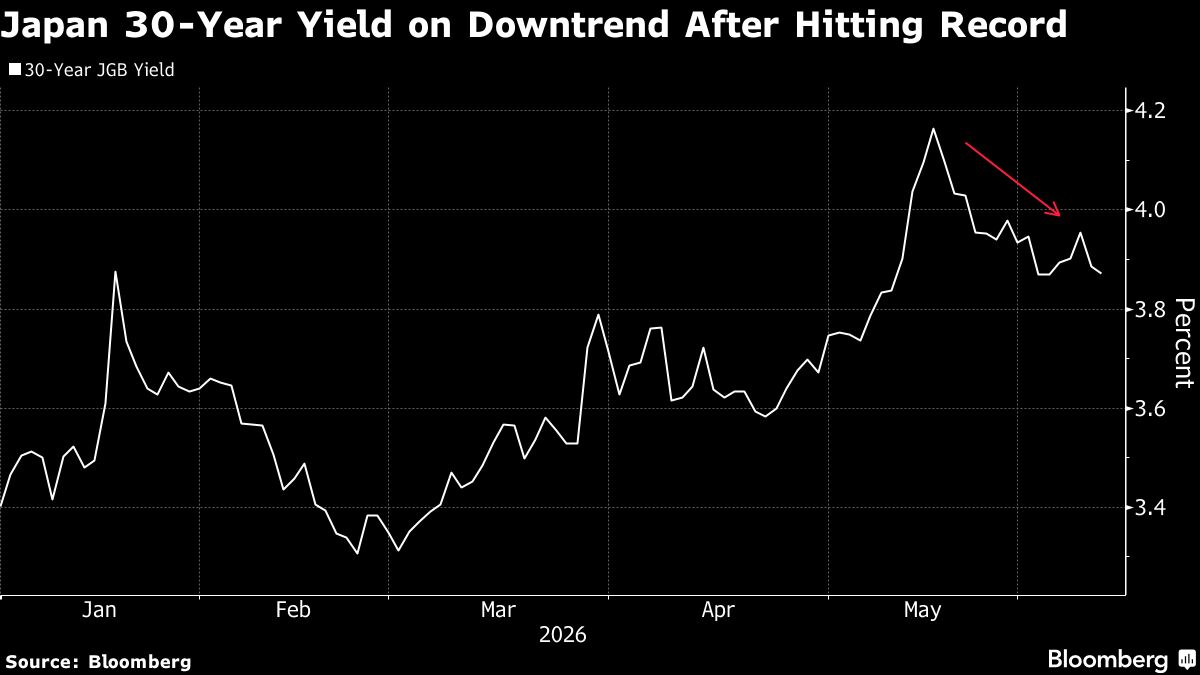
Japan's 30-Year Bond Auction Sees Weakest Demand in Over a Year
Japan's 30-year government bond auction on June 10, 2026 attracted the weakest demand since June 2025, with a bid-to-cover ratio of 2.94 compared to the previous 3.49. The decline reflects investor concerns over inflation and fiscal policy, as well as falling yields reducing appetite for the bonds. Weak bond demand can signal investor anxiety about Japan's economic outlook and fiscal sustainability.