US escalates pressure on Iran with new sanctions and threatened strikes
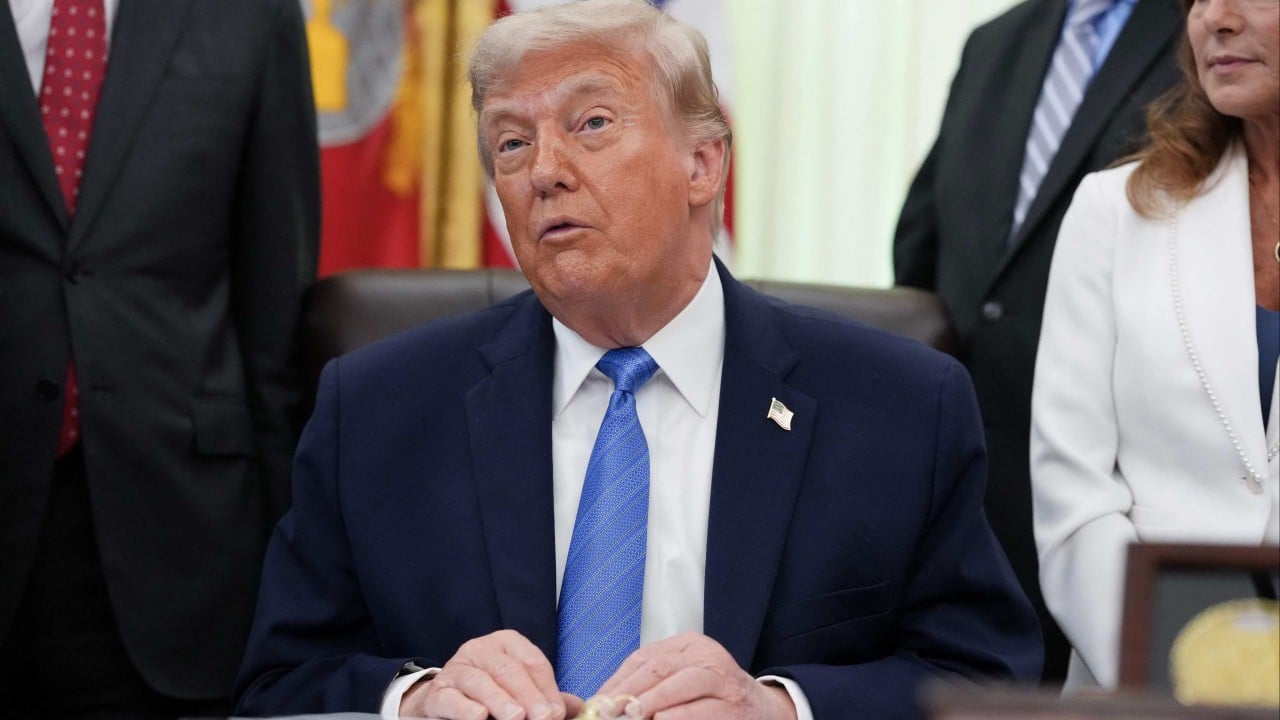
The United States intensified its confrontation with Iran on Wednesday through new Treasury sanctions targeting entities in China and Hong Kong, while President Trump threatened additional military strikes. The escalation follows Tuesday's US strikes on Iranian military targets near the Strait of Hormuz, which the US said were defensive responses to Iran shooting down a US military helicopter. The moves reflect heightened US-Iran tensions and Trump's stated goal of pressuring Iran toward a negotiated deal.
The United States escalated its pressure campaign against Iran on Wednesday through coordinated military and economic measures. President Trump threatened additional strikes while the Treasury Department imposed sanctions on individuals and entities, including nine based in China and Hong Kong, accused of supporting weapons procurement for Iran's Islamic Revolutionary Guard Corps and military. The escalation followed Tuesday's US military strikes on Iranian targets near the Strait of Hormuz, which US Central Command characterized as defensive action after Iran shot down a US military helicopter. Additionally, CENTCOM reported firing on an Iranian oil tanker attempting to transport oil in violation of a US blockade on Iranian ports. Trump indicated negotiations were ongoing but expressed frustration with Iran's approach, stating the US was "really close to a deal" while accusing Iran of "playing us for suckers."
What's missing
The article does not provide Iran's response or perspective on these US actions, nor does it detail the specific nature of the Tuesday helicopter incident that prompted the initial US strikes.
What different sources said
- South China Morning PostCenter
US tightens pressure on Iran with new sanctions and threats of more strikes
Related

Analysis of Satellite Images and Videos Suggests U.S. Precision Strikes on Iranian Water Facility
Satellite imagery and videos analyzed by The New York Times indicate that U.S. precision strikes destroyed water storage facilities in southern Iran near the Strait of Hormuz on June 9, cutting water access to over 20,000 people. The U.S. Central Command confirmed conducting precision strikes in the area, though it remains unclear whether the U.S. intentionally targeted the water infrastructure or was aware of its purpose. Deliberately targeting civilian water infrastructure could constitute a war crime under international law, raising questions about the strike's legality and intent.

A.J. Minter Says Velocity Drop Won't Affect His Pitching Effectiveness
Mets reliever A.J. Minter's fastball velocity has decreased to 92.5 mph in 2026, down from 94.4 mph in 2025 and 96.6 mph in 2022, following his return from a torn lat injury. The left-handed pitcher acknowledged the drop but expressed confidence in his ability to remain effective despite the decline. Minter's comments come as he adjusts to his second season with the Mets after missing a year due to injury.
Solomon Islands PM Says China Security Pact Must Remain Secret Due to Non-Disclosure Clause
Solomon Islands Prime Minister Matthew Wale announced he cannot legally release the 2022 security agreement with China because it contains a binding non-disclosure clause signed by the previous government. Wale had previously promised to publish the agreement while in opposition but now says legal restrictions prevent disclosure. The revelation highlights tensions in the region and comes as Solomon Islands begins negotiating a new security treaty with Australia.