Solomon Islands PM Says China Security Pact Must Remain Secret Due to Non-Disclosure Clause
Solomon Islands Prime Minister Matthew Wale has said he cannot legally release the 2022 security pact with China due to a non-disclosure clause embedded in the agreement. Wale, who previously called for the document's publication while in opposition, said the binding commitment made by the former Sogavare government prevents him from acting. The decision highlights ongoing tensions over transparency in Pacific security arrangements and sets the stage for new treaty negotiations with Australia.
Prime Minister Matthew Wale confirmed on Wednesday that the Solomon Islands' security agreement with China, signed in 2022 under former PM Manasseh Sogavare, contains a non-disclosure clause that legally bars him from releasing the document publicly. Wale acknowledged the reversal from his earlier position as an opposition figure who had demanded the pact be made public, framing his decision as a matter of legal obligation rather than political choice. A previously leaked draft of the agreement included language stating neither party could disclose cooperation information to a third party without written consent. In response, Wale pledged to reform Solomon Islands' legislative standing orders to require parliamentary scrutiny of any future international treaties. Separately, Wale indicated that Solomon Islands would pursue a new bilateral treaty with Australia, comparing it to existing Pacific security agreements such as the Falepili Union with Tuvalu and the Nakamal Agreement with Vanuatu, and said he would push for visa-free access for Solomon Islands citizens as part of those negotiations. He described the relationship with Australia as having been damaged by 'distrust' under previous governments and said the new agreement would establish clear obligations for both sides. Wale stressed that China remains a valued partner but acknowledged that the former government's approach had created 'strategic uncertainty' in the region.
What's missing
The exact legal mechanism of the non-disclosure clause — including whether China's consent to release the document was formally sought or refused — is not addressed.
What different sources said
- ABC AustraliaCenter
Solomon Islands security pact with China to stay secret because of legal clause
Related
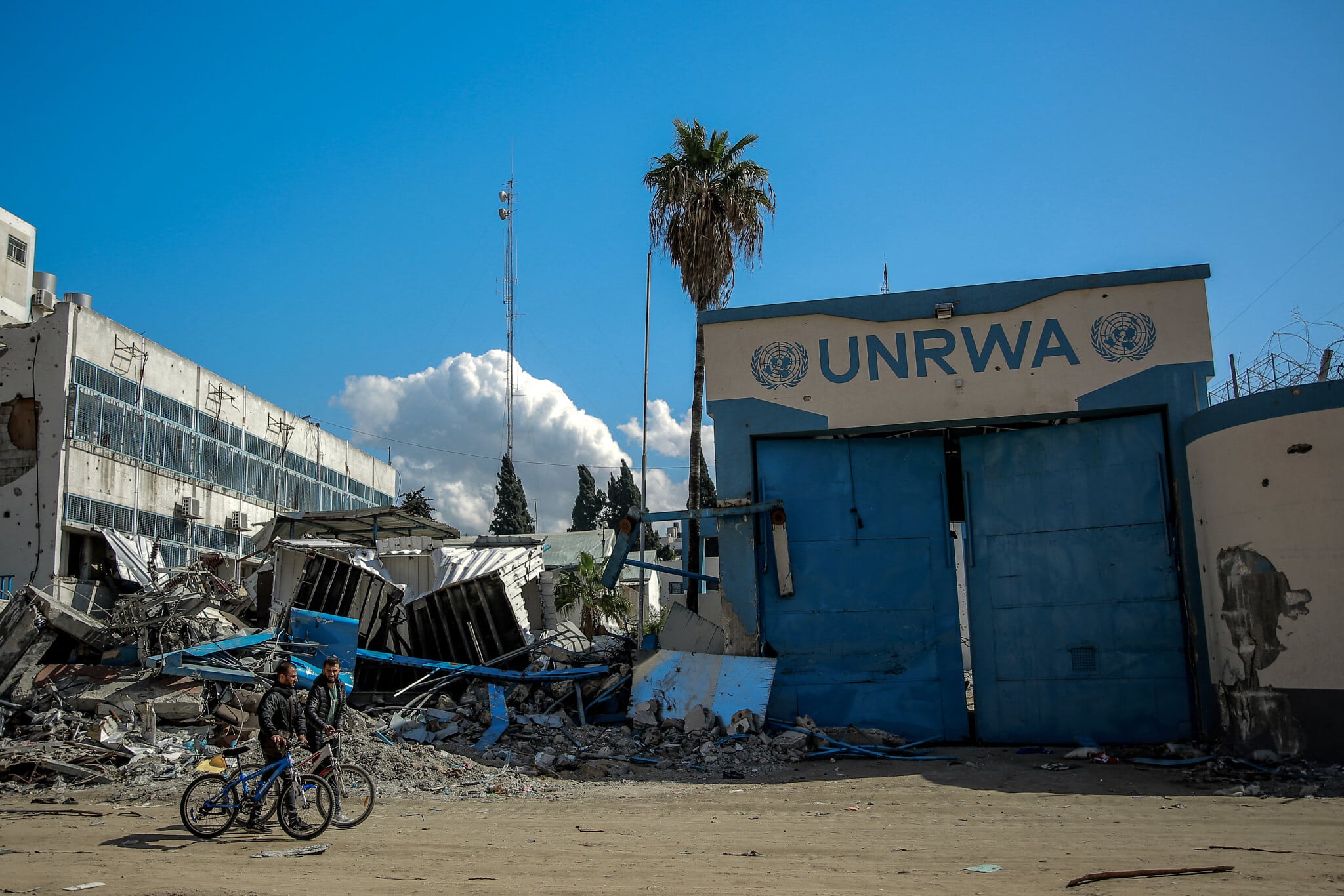
UNRWA Fires 70 Gaza Staff Members, Denies Terminations Validate Hamas Allegations
The UN agency for Palestinian refugees, UNRWA, has dismissed 70 employees in Gaza with immediate effect, citing safety and security risks. The move follows a USAID investigation that referred over 100 UNRWA staff for suspension or dismissal, and longstanding Israeli allegations that significant portions of the agency's workforce have ties to Hamas. The firings mark a significant but contested step in addressing accusations that have dogged the agency since the October 7, 2023 attacks, while UNRWA insists the dismissals are not an admission of guilt.
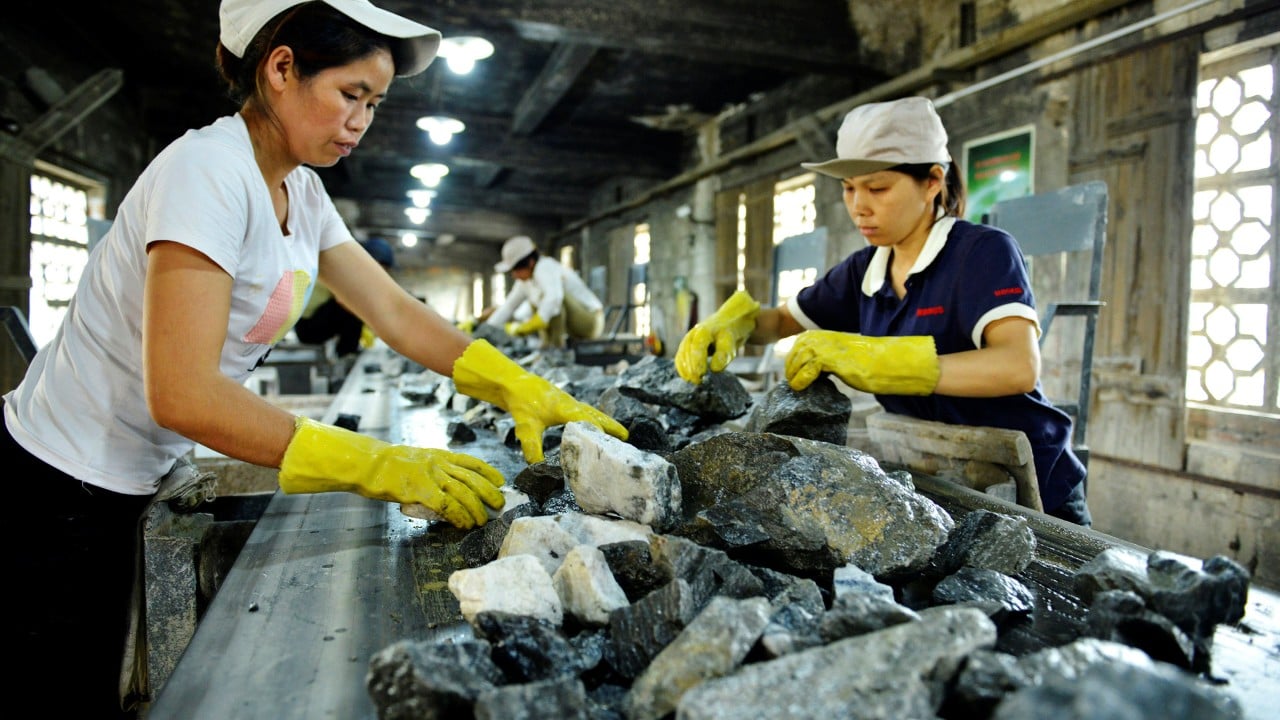
China's Tungsten Export Controls Ripple Through Global Supply Chains, From AI Chips to Weapons
China's 2025 export restrictions on tungsten have triggered price surges, potential production halts at Japanese semiconductor gas manufacturers, and a push to revive domestic mining in the United States. Tungsten, of which China produces over 78 percent of global supply, is critical to both advanced AI chipmaking and military munitions. The disruptions are exposing deep vulnerabilities in Western and Asian supply chains for a material with few short-term substitutes.

Rain Delays Start of India vs Afghanistan 1st ODI in Dharamshala
Persistent drizzle has delayed the toss and cast doubt over the first ODI between India and Afghanistan at the Himachal Pradesh Cricket Association Stadium in Dharamshala. The meteorological department issued an orange alert for June 12 warning of thunderstorms and hail across parts of Himachal Pradesh, with a 60–70% chance of showers forecast throughout the day. The delay threatens what would have been a historically significant match — the first-ever bilateral ODI series between the two nations.