US Energy Secretary Reports Rising Oil Exports Through Strait of Hormuz Despite Regional Tensions
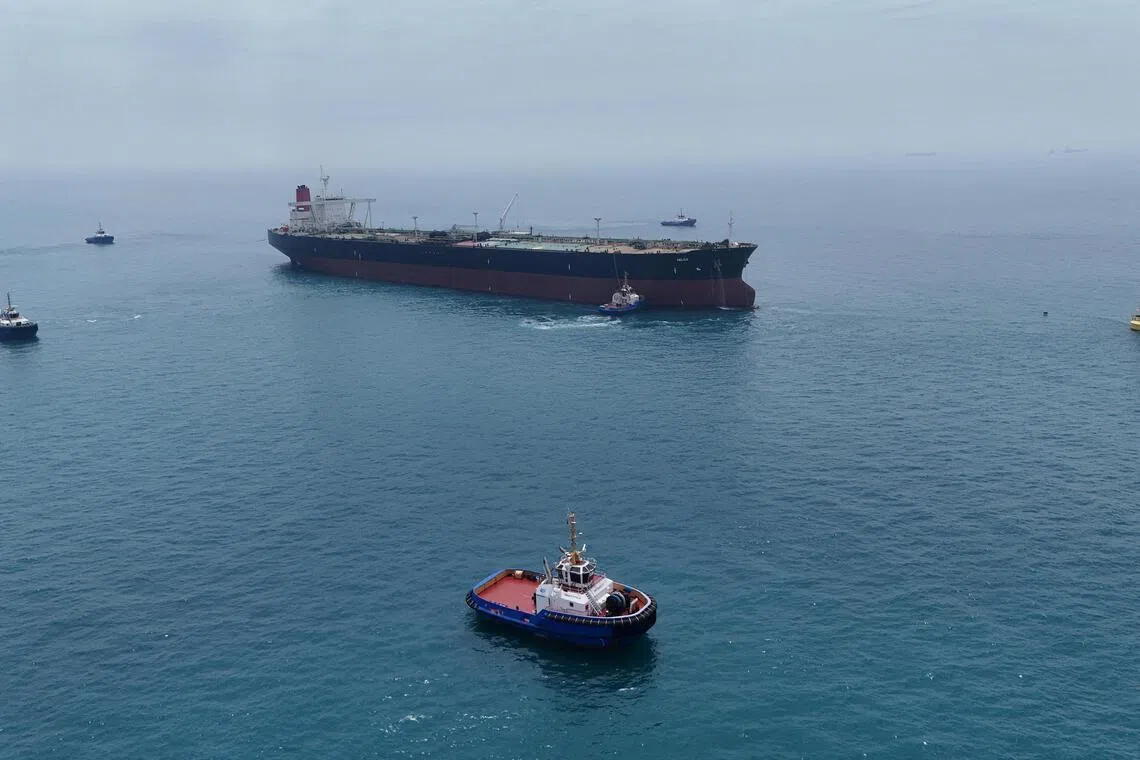
US Energy Secretary Chris Wright stated on June 9 that oil exports and ship traffic through the Strait of Hormuz are rising meaningfully, even as the US and Iran remain in conflict. The strait has been largely disrupted since late February strikes, blocking approximately 20% of global oil and LNG supplies. The reported increase in exports is significant because energy disruptions have driven up global prices and created political pressure on the Trump administration ahead of midterm elections.
US Energy Secretary Chris Wright announced that oil exports and vessel traffic through the Strait of Hormuz are rising meaningfully, despite ongoing tensions between Washington and Tehran that have lasted over three months. The strait experienced major disruptions following US and Israeli strikes in late February, which blocked roughly 20% of global oil and liquefied natural gas supplies. Some vessels have since resumed transit, often with transponders disabled and traveling at night. Wright noted that restoring normal flows of energy and critical materials such as sulphur, helium, and lubricants could take many months once a lasting peace agreement is reached. Global Brent oil prices fell more than 3% to $91.34 per barrel on June 9 following a mutual halt to strikes between Iran and Israel. Wright attributed the relatively modest oil price increases during the conflict partly to higher-than-expected global inventories, particularly in China, which reduced oil imports by approximately 4 million barrels per day in May.
What different sources said
- The Straits TimesCenter
US energy chief says oil exports through Strait of Hormuz, Gulf ‘rising meaningfully’
Related

OECD Forecasts Two Scenarios for Global Economy Amid Middle East Conflict
The OECD has released economic projections showing two divergent paths for the global economy depending on whether the Iran war ends soon or persists. A quick resolution would result in modest slowdown with 2.8% global growth, while prolonged conflict could cut growth to 1.8% by 2027 and raise inflation significantly. The forecasts highlight how geopolitical disruptions to energy and supply chains threaten economic stability even as AI investment provides some offset.

Stock Market Wealth Reaches Record Share of American Assets
Stocks now represent 33% of total U.S. household wealth, a record high surpassing levels during the 2021 meme stock era and the 2000 dot-com peak. The surge reflects strong market performance, with household portfolios gaining $10.31 trillion in value between end-2024 and 2025. This concentration of stock ownership among wealthy Americans—who hold 87% of household stock wealth—is widening inequality and contributing to divergent economic experiences across income levels.
Early Signs of Labor Market Resilience Amid Iran Conflict Oil Shock
New Federal Reserve Bank of Boston research indicates that the oil price shock from the Iran war—estimated at 33%—would push inflation higher while having minimal impact on U.S. employment, a stark contrast to 1970s energy crises. The U.S. economy's structural changes have reduced vulnerability to oil shocks' employment effects, though inflation pressures remain a concern. This shift means central banks can focus less on stagflation risks and more on managing price pressures, though regional disparities in economic impact are expected.