Early Signs of Labor Market Resilience Amid Iran Conflict Oil Shock

New Federal Reserve Bank of Boston research indicates that the oil price shock from the Iran war—estimated at 33%—would push inflation higher while having minimal impact on U.S. employment, a stark contrast to 1970s energy crises. The U.S. economy's structural changes have reduced vulnerability to oil shocks' employment effects, though inflation pressures remain a concern. This shift means central banks can focus less on stagflation risks and more on managing price pressures, though regional disparities in economic impact are expected.
The Federal Reserve Bank of Boston has released research showing that the U.S. economy's response to oil shocks has fundamentally changed since the 1970s. The Iran conflict has generated a 33% oil price shock, which researchers estimate would have reduced employment by 1.8 percentage points and raised inflation by 2.2 percentage points if it had occurred in the mid-1970s. However, current data shows early signs of renewed labor market strength with minimal employment effects across most Federal Reserve districts. The inflation effects are already visible in economic data and Fed anecdotes, with energy costs cited as the primary driver of inflationary pressures affecting shipping, groceries, and fertilizer. Regional disparities are notable: oil-producing states like Texas are expected to see employment and home price growth outpace the national average, while oil-importing regions like Massachusetts lag behind. Energy producers appear cautious about the durability of the price spike, limiting capital investment despite higher oil prices.
What different sources said
- AxiosCenter
There are early signs of renewed labor market strength during Iran war
Related
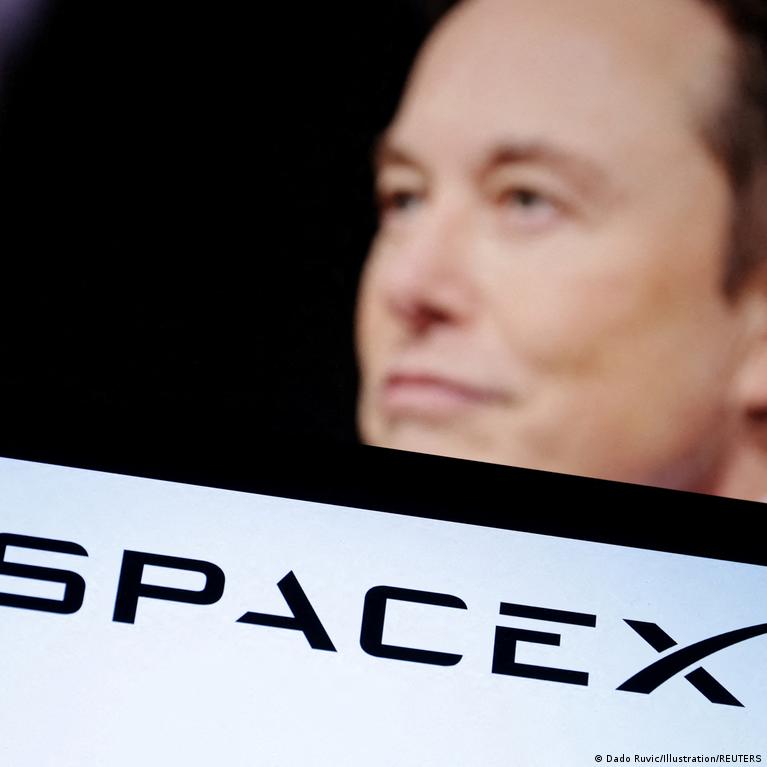
SpaceX Files for IPO Valued at $1.75 Trillion, Targeting Mars Colonization and Space Infrastructure
SpaceX has filed an S1 registration with US regulators seeking to raise approximately $75 billion through an initial public offering that would value the company at up to $1.75 trillion. The IPO would fund Elon Musk's ambitious plans including crewed Mars missions by the early 2030s, lunar infrastructure development, asteroid mining, and orbital AI data centers. The offering would likely make Musk the world's first trillionaire while maintaining his effective control of the company through a dual-class share structure.

Wall Street Recovers from Sell-Off as AI Stocks Bounce Back; Oil Rises on Israel-Iran Tensions
U.S. stock markets recovered Monday from last week's sharp decline, with the S&P 500 gaining 0.3% and the Nasdaq climbing 0.9%, driven by rebounds in AI-related semiconductor stocks. The recovery follows Friday's 2.6% drop in the S&P 500, the worst day since October, amid concerns that AI stock valuations had become overheated. The market's ability to sustain gains depends on whether the correction helps stabilize valuations or signals the beginning of a broader downturn.
Private Equity Acquisitions of Mobile Home Parks Trigger Rent Spikes, Leaving Residents Vulnerable
Private equity firms purchasing manufactured home parks have triggered sharp rent increases that are pricing out low-income residents in rural areas where such housing is often the only affordable option. Manufactured homes, while affordable to purchase ($87,000-$120,000), are expensive and difficult to relocate ($5,000-$10,000), effectively trapping residents when rents spike. This trend is part of a broader 45% increase in park rents over the past decade, creating a housing crisis for vulnerable populations with few alternatives.