US Defense Secretary Hegseth Announces Strikes on Iranian 'Key Facilities' as Tensions Escalate
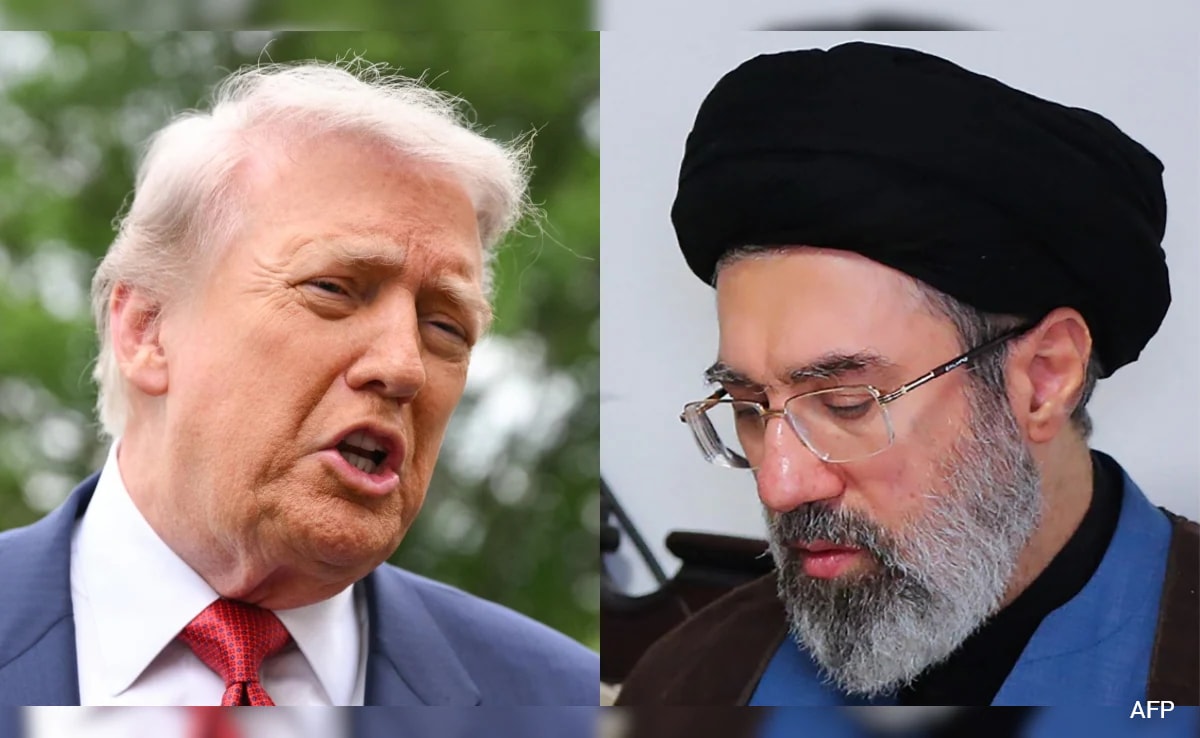
U.S. Defense Secretary Pete Hegseth announced that the United States would conduct bombing strikes against Iran on Wednesday, targeting what he called "key facilities." The announcement came after an Apache helicopter was downed near the Strait of Hormuz and follows a temporary ceasefire agreement from April 8 that has now fractured. The strikes represent a significant escalation in ongoing hostilities and are framed by the Trump administration as leverage to restart stalled negotiations.
U.S. Defense Secretary Pete Hegseth confirmed at MacDill Air Force Base in Florida that American forces would carry out strikes on Iranian "key facilities" on Wednesday under orders from President Donald Trump. Hegseth stated that Iran had been given opportunities to negotiate but chose not to take them, and characterized the strikes as a response to Iran's negotiating tactics and recent military actions, including the downing of a U.S. Apache helicopter. The announcement escalates tensions following a fragile ceasefire agreement struck on April 8. Hegseth framed the offensive not as a resumption of full-scale conflict but as a means to pressure Iran back to the negotiating table, stating the military was "prepared to set the terms" for a deal. CENTCOM subsequently announced "additional self-defence strikes" and reports indicated explosions in multiple Iranian locations including Bandar Abbas and Qeshm. The escalation marks the second consecutive day of U.S. attacks against Iran.
What's missing
The specific nature of the "key facilities" targeted is not detailed in any source. Additionally, while Al Jazeera mentions Iran's denials regarding nuclear weapons pursuit, none of the sources provide Iran's official response to Hegseth's announcement or details on the extent of damage from the reported strikes.
How coverage differed
Al Jazeera's framing emphasizes the broader context of the U.S.-Iran conflict since February 28, characterizing the initial U.S.-Israel action as "unprovoked" and noting contradictions in U.S. rationales, while The Straits Times and NDTV focus more narrowly on Hegseth's immediate statements and the current escalation cycle without this historical framing.
What different sources said
- The IndependentLeft
Hegseth promises to ‘hit Iran hard’ tonight after Trump threats but says it’s not to restart the war
- NDTVCenter
US Says Will Bomb "Key Facilities" In Iran, Hours After Trump Warning
- The HillCenter
Hegseth says coming strikes on Iran will be 'strong and clear'
- The Straits TimesCenter
Hegseth: US to bomb 'key facilities' in Iran on Wednesday
- Al JazeeraLeft
US Defence Secretary Hegseth pledges strikes on ‘key facilities’ in Iran
Related

Analysis of Satellite Images and Videos Suggests U.S. Precision Strikes on Iranian Water Facility
Satellite imagery and videos analyzed by The New York Times indicate that U.S. precision strikes destroyed water storage facilities in southern Iran near the Strait of Hormuz on June 9, cutting water access to over 20,000 people. The U.S. Central Command confirmed conducting precision strikes in the area, though it remains unclear whether the U.S. intentionally targeted the water infrastructure or was aware of its purpose. Deliberately targeting civilian water infrastructure could constitute a war crime under international law, raising questions about the strike's legality and intent.

A.J. Minter Says Velocity Drop Won't Affect His Pitching Effectiveness
Mets reliever A.J. Minter's fastball velocity has decreased to 92.5 mph in 2026, down from 94.4 mph in 2025 and 96.6 mph in 2022, following his return from a torn lat injury. The left-handed pitcher acknowledged the drop but expressed confidence in his ability to remain effective despite the decline. Minter's comments come as he adjusts to his second season with the Mets after missing a year due to injury.
Solomon Islands PM Says China Security Pact Must Remain Secret Due to Non-Disclosure Clause
Solomon Islands Prime Minister Matthew Wale announced he cannot legally release the 2022 security agreement with China because it contains a binding non-disclosure clause signed by the previous government. Wale had previously promised to publish the agreement while in opposition but now says legal restrictions prevent disclosure. The revelation highlights tensions in the region and comes as Solomon Islands begins negotiating a new security treaty with Australia.