US Data Center Energy Demand Spurs Aggressive Grid Solutions and Policy Debates
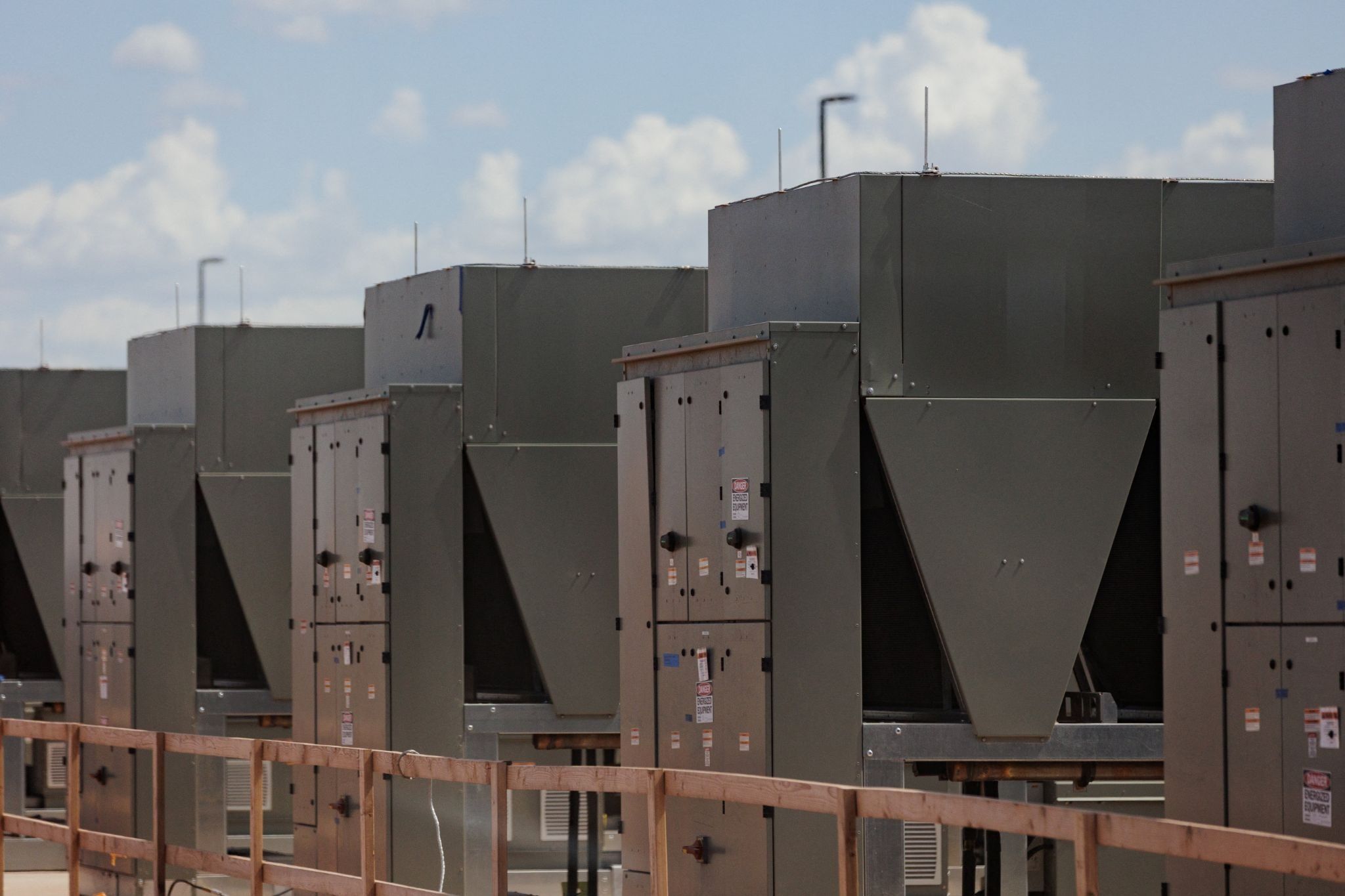
Surging electricity demand from AI data centers is prompting federal officials to consider breaking up major grid operators and pushing tech companies toward innovative power management solutions. The challenge reflects tension between maintaining US competitiveness in AI and the grid's capacity to meet rapidly growing energy needs. The issue matters because it could reshape both energy infrastructure policy and how companies power the AI boom.
Ballooning electricity demand from AI data centers across the US is forcing policymakers and technology companies to pursue unconventional approaches to power generation and distribution. Federal regulators have suggested breaking up the country's largest electric grid operator, citing rising power bills and its inability to keep pace with demand growth. One regulator indicated willingness to pursue aggressive measures to protect US leadership in AI. In response, major tech companies are exploring alternative solutions: Google recently announced a first-of-its-kind partnership with a virtual power plant startup that will pay households and businesses to reduce consumption during peak demand periods, potentially freeing up 100 megawatts of power. These developments reflect the broader tension between supporting rapid AI infrastructure expansion and managing existing grid constraints.
What's missing
The article does not provide specific data on total current US data center electricity consumption, projected growth rates, or comparative context on how other countries are addressing similar challenges. It also lacks detail on which grid operators are being considered for breakup or the timeline for proposed regulatory changes.
What different sources said
- SemaforCenter
Data center energy challenges mount
Related
Blacksmith CI Service Charges $1,081 to User on Free Trial Without Credit Card on File
A developer team using Blacksmith, a GitHub Actions alternative, received a $1,081 invoice after exceeding free tier limits without having provided a credit card. The company's free trial continued accruing charges rather than stopping service, contrary to typical SaaS conventions. The incident raises questions about whether such billing practices are legally permissible and whether they align with user expectations.

Apple Testing Camera-Equipped AirPods for AI-Enhanced Siri, But Privacy Concerns May Delay Launch
Apple has designed AirPods with built-in cameras to give Siri visual context for user requests and is in late-stage testing with employees, according to Bloomberg reporting. The cameras would enable features like landmark-based navigation, food identification, and smarter contextual assistance, though they would not record photos or video like smart glasses. However, Wired reports Apple may delay the product due to insufficient AI capabilities and executive concerns about privacy risks without compelling use cases.

AI Companies Adopt Serif Fonts to Signal Trustworthiness and Human Touch
AI companies like Claude, Perplexity, and Runway are increasingly using serif fonts in their branding and user interfaces, a shift designers attribute to efforts to make artificial intelligence appear more human and trustworthy. Serif typefaces, historically associated with print media, books, and authority, contrast with the cleaner sans-serif fonts often perceived as computer-like and cold. The trend reflects broader public skepticism about AI and companies' attempts to build confidence in their products through design choices that evoke human craftsmanship and reliability.