Apple Testing Camera-Equipped AirPods for AI-Enhanced Siri, But Privacy Concerns May Delay Launch

Apple has designed AirPods with built-in cameras to give Siri visual context for user requests and is in late-stage testing with employees, according to Bloomberg reporting. The cameras would enable features like landmark-based navigation, food identification, and smarter contextual assistance, though they would not record photos or video like smart glasses. However, Wired reports Apple may delay the product due to insufficient AI capabilities and executive concerns about privacy risks without compelling use cases.
Apple has developed camera-equipped AirPods designed to enhance Siri's capabilities by providing visual context for voice commands, according to reporting from Bloomberg's Mark Gurman. The devices feature larger stems housing low-resolution cameras and are currently in late-stage testing with Apple employees as part of the company's broader AI device initiative. Proposed use cases include vision-based navigation to supplement GPS, food identification for shopping assistance, and more contextual understanding when combined with other Apple devices like the Apple Watch. However, Wired's sources indicate Apple will likely delay the product's release because Siri's visual intelligence capabilities remain underdeveloped and executives worry about introducing significant privacy risks without sufficiently compelling applications. The cameras would include a small LED indicator when visual data is being processed, and accessibility applications for visually impaired users have also been suggested.
What's missing
The article does not specify whether the cameras would be forward-facing (toward the wearer) or world-facing (outward), which is a critical distinction for privacy implications. Additionally, no information is provided about potential regulatory or legal hurdles Apple might face in different jurisdictions regarding wearable cameras, nor details on Apple's specific timeline for potential release if privacy concerns are addressed.
What different sources said
- WiredLeft
Why Apple Might Put Cameras Into Its Next AirPods
Related

Google Chrome Permanently Ending Manifest V2 Extension Support, Eliminating uBlock Origin Workarounds
Google Chrome is removing all remaining flags and code that allowed Manifest V2 (MV2) extensions like uBlock Origin to function, with complete deprecation expected by Chromium version 151. MV2 extensions have been gradually phased out since the introduction of Manifest V3, but users had found workarounds such as Windows Registry modifications to extend their availability. Microsoft Edge and Opera are expected to follow Chrome's lead in discontinuing MV2 support, effectively ending most ad-blocking extension alternatives on Chromium-based browsers.

Standard Bots Raises $200 Million Series C at $1 Billion Valuation
Standard Bots, a U.S.-based industrial robotics company, announced a $200 million Series C funding round at a $1 billion valuation, led by RoboStrategy and General Catalyst. The company manufactures AI-native robot arms and humanoid robots designed to be taught through demonstration rather than code, targeting small and mid-sized American manufacturers. Standard Bots argues that increased robotics adoption will enhance manufacturing competitiveness and ultimately create jobs, positioning itself against China's dominance in industrial robot deployment.
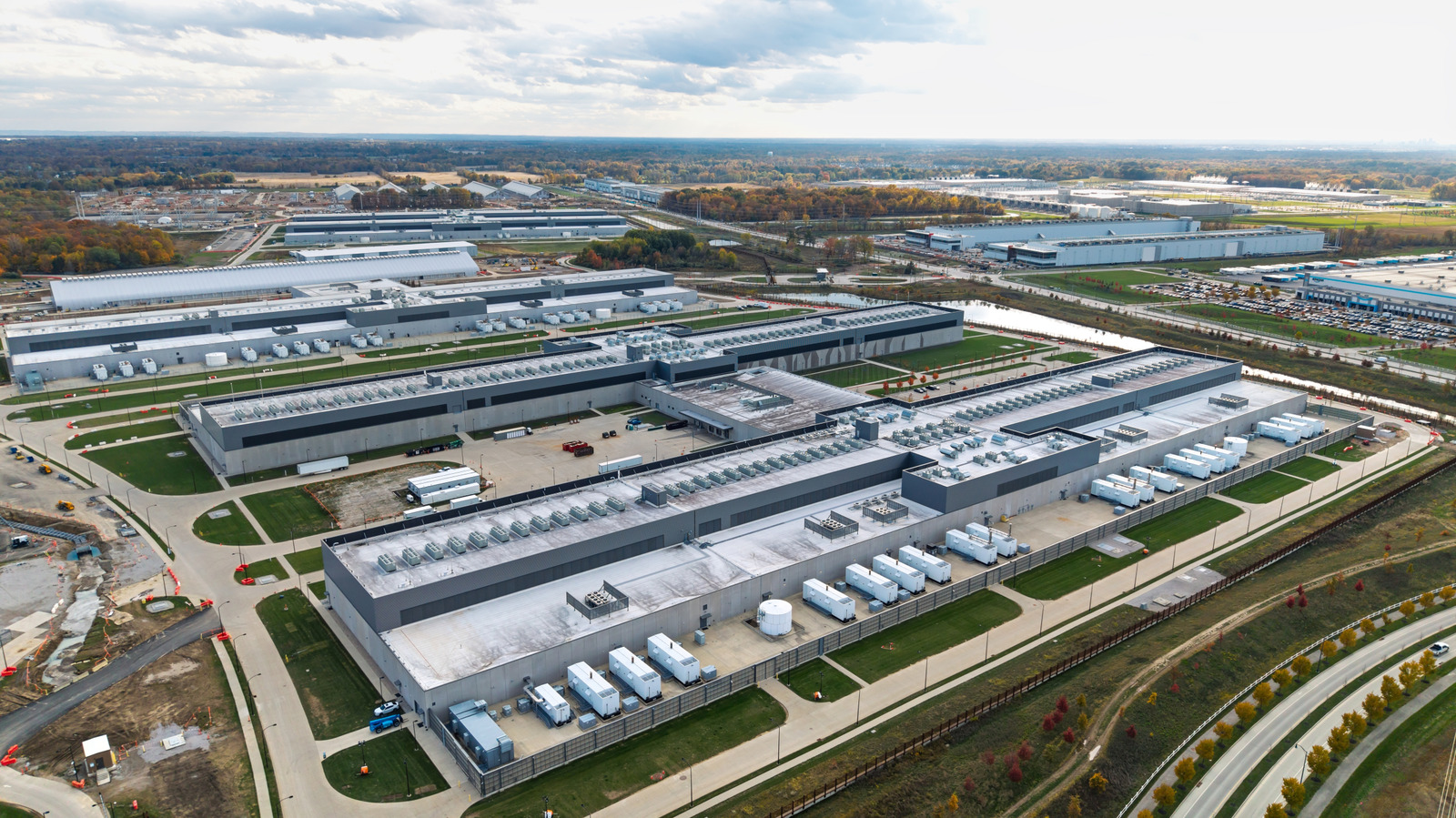
Seattle City Council Unanimously Approves One-Year Moratorium on Large AI Data Centers
Seattle's City Council has unanimously approved a one-year moratorium on constructing new large AI data centers, with Mayor Katie Wilson expected to sign it soon. The ban targets facilities using more than 20 megavolt-amperes of energy, following concerns that five proposed projects could consume up to a third of the city's current electricity demand. The moratorium joins similar restrictions in other cities and reflects growing concerns about data centers' impacts on electricity, water usage, and local infrastructure.