U.S. and Iran Exchange Fire Again as Ceasefire Remains Fragile
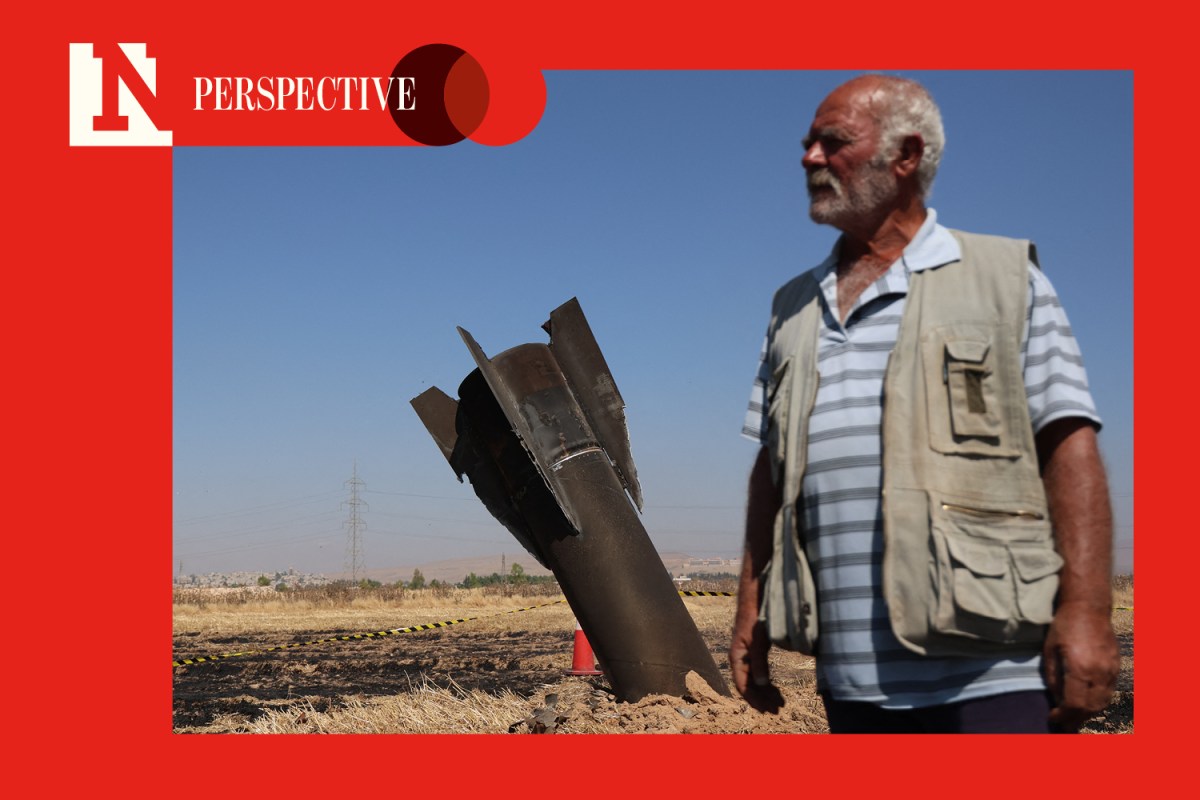
A U.S. Apache helicopter collided with an Iranian drone near the Strait of Hormuz, prompting the U.S. to conduct airstrikes and Iran to launch retaliatory missiles, despite an ostensible ceasefire. The incident highlights the fragility of ongoing peace negotiations between the two countries. The cycle of limited military exchanges threatens broader diplomatic efforts while both sides characterize their actions as defensive measures.
The U.S. and Iran have resumed military exchanges following a helicopter-drone collision near the Strait of Hormuz, with both pilots surviving but the incident escalating tensions. The U.S. conducted what it termed "self-defense" airstrikes, prompting Iran to launch missiles toward sites in Bahrain, Kuwait, and Jordan hosting American forces. No major casualties or significant damage were reported. The flare-up occurred despite President Trump's recent statements that the U.S. was in the "final throes" of a peace agreement with Iran. Both sides have characterized their military actions as proportionate and limited, using language like "self-defense" to justify strikes while nominally maintaining a ceasefire. The article explores potential endgame scenarios, including a ceasefire with informal strike rights and negotiations focused on reopening the Strait of Hormuz, suggesting the conflict may resolve in a gray zone rather than through a comprehensive peace agreement.
What's missing
The article does not provide details on the specific nature of the helicopter-drone collision—whether it was accidental or intentional—or clarify the timeline and sequence of events leading to the initial incident.
What different sources said
- NewsweekCenter
5 Ways the Iran War Ends Without Looking Like Peace
Related

Chevron and Argentine Shale Producers to Supply $3 Billion Natural Gas Liquids Project
Chevron and two other major Argentine shale producers are signing contracts this week to supply a natural gas liquids (NGL) project worth $3 billion. The supply agreements effectively guarantee the project will proceed, according to sources familiar with the matter. This development is significant for Argentina's energy sector and Chevron's operations in one of the world's largest shale reserves.

Sweden Donates Gripen Fighter Jets to Ukraine in Major Air Power Upgrade
Sweden has agreed to donate 16 Saab JAS 39 Gripen C/D fighter jets to Ukraine, with Kyiv purchasing 20 additional advanced Gripen E/F models, as part of a deal that could eventually reach 150 aircraft. The Gripen was designed during the Cold War to operate from austere locations and requires minimal ground crew, making it well-suited to Ukraine's operational environment. The acquisition represents a significant enhancement to Ukraine's air combat capabilities against Russian forces.

Military analysts assess potential challenges and risks of U.S. military intervention in Cuba
Military experts and Pentagon insiders are analyzing the potential difficulties and consequences of a possible U.S. military operation against Cuba under the Trump administration's pressure campaign. Cuba's cohesive communist government structure and loyal military differ significantly from Venezuela's fractured system, making regime change more complicated. The analysis highlights risks including humanitarian crises, migration surges, regional geopolitical shifts, and the absence of viable successor leadership.