Thai Authorities Shut Down Unlicensed Meat Factory Producing 30 Tonnes Monthly with Fake FDA Numbers
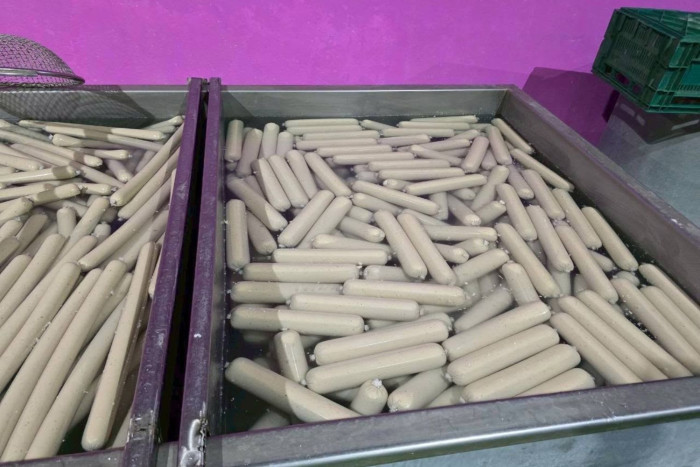
Thai health authorities closed an unlicensed meat processing factory in Pathum Thani province that was producing approximately 30 tonnes of meat products monthly using fake and expired FDA registration numbers. The factory had been operating for about 10 years without renewing its expired production license and failed to meet sanitary standards. The closure is significant because the contaminated products—including sausages, meatballs, and squidballs—were being distributed nationwide, posing potential health risks to consumers.
Thai authorities shut down a meat processing factory in Lam Kuk Ka district, Pathum Thani province, after discovering it was operating without proper licensing and using fraudulent food registration numbers. The facility, owned by a person identified only as Mr Atthapol, had been producing approximately 30 tonnes of branded meat products monthly worth at least 3 million baht, distributing them nationwide. Inspectors from the Food and Drug Administration, Department of Livestock Development, and Public Health Department found the factory failed to meet sanitary standards and was using six lines of unregistered products, ten lines with revoked registration numbers, and four lines with completely fake registration numbers, totaling over 10,000 bags seized. The factory's production license had expired on December 31, 2025, with no renewal attempted. The owner faces multiple charges including operating without a permit, incorrect labeling, manufacturing counterfeit food products, and continuing production after license expiration, with potential penalties of up to 2 years imprisonment and fines up to 20,000 baht if tests reveal prohibited substances or dangerous contaminants.
What's missing
The article does not specify what health risks or illnesses, if any, have been reported by consumers who purchased these products, nor does it indicate whether a public recall or consumer warning has been issued to alert those who may have already purchased contaminated items.
What different sources said
- Bangkok PostCenter
Unsanitary meat factory shut down, products sold nationwide
Related
Person dies from rare Murray Valley Encephalitis virus in Western Australia
A person has died after contracting Murray Valley Encephalitis, a rare mosquito-borne virus, while travelling in Western Australia's north, marking the first reported death from the virus in WA this year. The individual was likely exposed in early May in the West Kimberley region, about 2,000 kilometres north of Perth, before being transferred to a Perth hospital where they died. Health authorities are urging residents and tourists to protect themselves from mosquito bites as the region enters its peak tourism season, noting the virus can cause serious brain infection though complications remain rare.

Shigellosis outbreak in Wayanad rises to three confirmed cases; health officials launch investigation
A third student tested positive for shigellosis in Wayanad, Kerala, following an outbreak at Mar Baselios AUP School, bringing confirmed cases to three. The bacterial infection has caused symptoms in 473 people total, with 58 currently hospitalized, prompting health officials to investigate the source and implement stricter sanitation measures. The outbreak highlights concerns about water safety and food hygiene in the region, with authorities conducting well chlorination and inspections of food establishments.

Red-Light Therapy for Hair Loss: Clinical Evidence and Consumer Device Reviews
Wired published a 2026 guide reviewing red-light therapy devices for hair restoration, reporting that clinical studies suggest the treatment can increase blood circulation, reduce inflammation, and support hair follicle growth. Red-light therapy has emerged as an at-home alternative to traditional hair-loss treatments like topical remedies or surgical procedures. The guide matters because hair loss affects millions, and if clinically validated, at-home devices could democratize access to a non-invasive treatment option.