Red-Light Therapy for Hair Loss: Clinical Evidence and Consumer Device Reviews

Wired published a 2026 guide reviewing red-light therapy devices for hair restoration, reporting that clinical studies suggest the treatment can increase blood circulation, reduce inflammation, and support hair follicle growth. Red-light therapy has emerged as an at-home alternative to traditional hair-loss treatments like topical remedies or surgical procedures. The guide matters because hair loss affects millions, and if clinically validated, at-home devices could democratize access to a non-invasive treatment option.
Wired's updated 2026 guide evaluates red-light therapy devices for hair regrowth, citing clinical evidence that the treatment energizes hair follicles, increases scalp blood circulation, reduces inflammation, and lowers dihydrotestosterone—a hormone linked to hair loss. The publication's tech reviewers tested various devices over 16 weeks, including the CurrentBody LED Hair Growth Helmet, iRestore Elite Laser Growth Hair System, and newer additions like the GroWell Laser Hair Regrowth Cap and Hairmax LaserBand 82. Reviewers reported observable results including new follicle growth, increased hair thickness, and reduced breakage, though individual outcomes varied. The guide emphasizes that red-light therapy works by supporting ATP production, which enhances oxygen and blood flow to the scalp and extends the hair-growth phase. The article positions at-home red-light therapy as a convenient alternative to clinical appointments, topical treatments, or surgical interventions like hair transplants.
What's missing
The article does not provide citations to the specific peer-reviewed clinical studies referenced, making it difficult to independently verify the claimed mechanisms (ATP production, DHT reduction, etc.) or assess study quality, sample sizes, or effect sizes. Long-term efficacy data beyond the 16-week testing period is not discussed. The article does not address potential contraindications, side effects, or populations for whom red-light therapy may be ineffective or inadvisable. Cost comparisons with alternative treatments and insurance coverage information are absent.
What different sources said
- WiredLeft
Best Red-Light Therapy for Hair Restoration and Regrowth (2026)
Related

Newsweek Releases 2027 Survey of America's Best Home Health Agencies
Newsweek and Statista have launched their second annual survey to identify and rank America's best home health agencies for 2027. The home health care industry has grown significantly, reaching $153.7 billion in recent revenue, as it allows patients to receive care while remaining in their homes. The survey aims to help patients and families identify quality providers in this rapidly expanding sector.
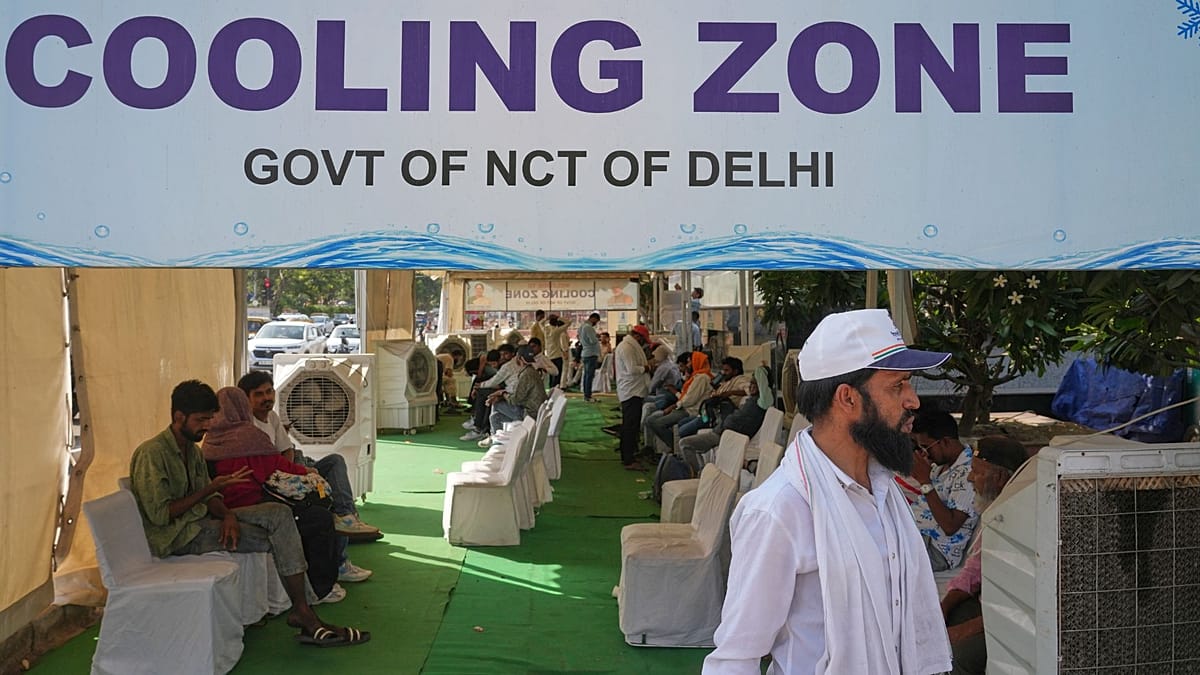
Study Reveals India's Heatwave Deaths Far Exceed Official Counts
A new study published in Frontiers in Environmental Health estimates that a single day of extreme heat causes approximately 3,400 excess deaths in India, with five-day heatwaves linked to nearly 30,000 deaths—far higher than official government counts of 500-1,500 annually. The discrepancy stems from India's lack of uniform tracking systems and failure to account for indirect health impacts beyond direct heatstroke. The findings highlight severe regional inequalities, as the five states with highest heatwave mortality contribute only 29% of India's GDP, raising questions about resource allocation for climate adaptation.
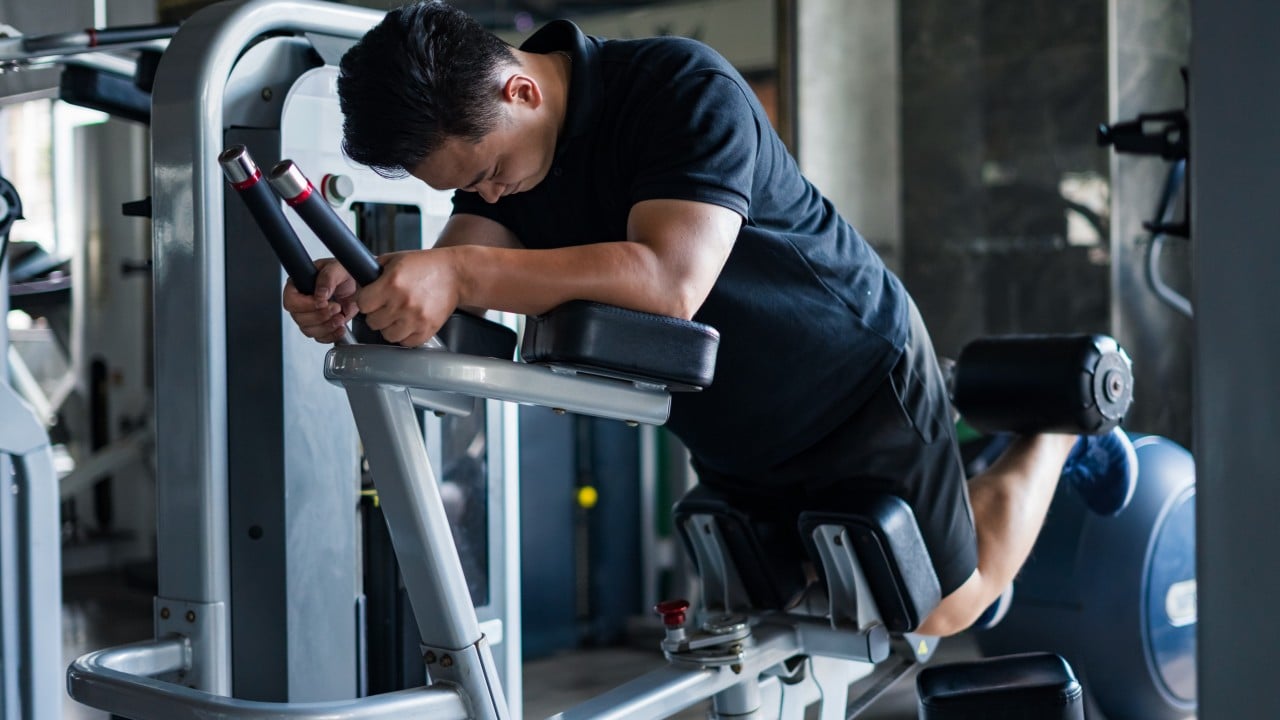
Chinese Man Develops Acute Kidney Failure After Intense Leg Workout
A 23-year-old university student in Henan province, China suffered acute kidney failure requiring emergency dialysis following an intense leg workout at the gym. The condition resulted from rhabdomyolysis, a serious disorder in which damaged muscle fibers break down rapidly and can lead to kidney damage. The case prompted medical warnings about the risks of overtraining and the importance of gradual progression in fitness routines.