Sydney Metro Delays $32 Million Fire Hydrant Installation Until After October Opening
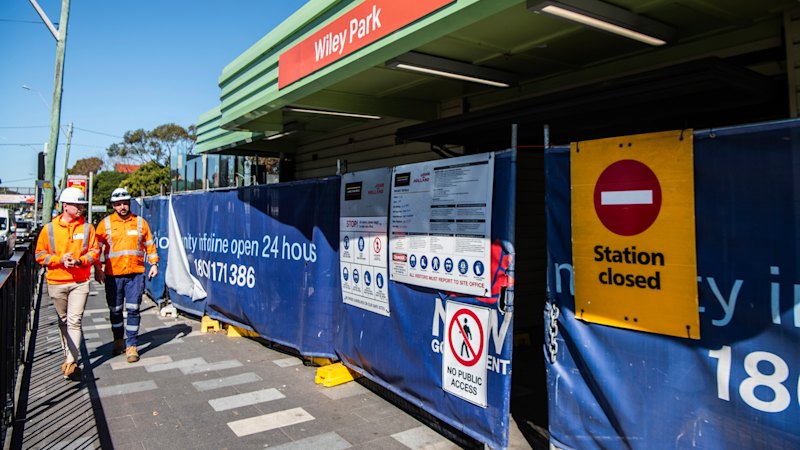
Sydney Metro will install fire hydrants costing at least $32 million on station platforms after the final M1 line stretch opens in mid-October, rather than before, to avoid delaying the project further. The decision follows years of dispute with Fire and Rescue NSW, which had initially preferred a $409 million option that would have delayed opening by over eight months. The postponement raises concerns about potential service disruptions during maintenance shutdowns and firefighting capabilities on the new driverless line.
Sydney Metro has agreed with Fire and Rescue NSW to install fire hydrants on platforms at five of nine stations lacking them after the final 13-kilometre M1 line stretch opens in mid-October 2026. A confidential briefing shows the total cost of hydrants and related safety measures will exceed $50 million, with hydrants alone costing at least $32 million and requiring nine months of construction work. The decision represents a compromise after Fire and Rescue NSW initially recommended installing hydrants during the line's conversion to metro standards, a proposal that would have cost $409 million and delayed opening by over eight months. The plan involves installing hydrants on platforms at five stations after opening and fitting "droppers" (extended access points) at four others, with some work scheduled during maintenance shutdowns. Opposition transport spokeswoman Natalie Ward expressed concern that passengers may face replacement bus services after a 24-month closure to complete work that should have been finished during construction.
What different sources said
- Sydney Morning HeraldCenter
$32m in work needed after Sydney metro opening risks disrupting commuters
Related

Analysis of Satellite Images and Videos Suggests U.S. Precision Strikes on Iranian Water Facility
Satellite imagery and videos analyzed by The New York Times indicate that U.S. precision strikes destroyed water storage facilities in southern Iran near the Strait of Hormuz on June 9, cutting water access to over 20,000 people. The U.S. Central Command confirmed conducting precision strikes in the area, though it remains unclear whether the U.S. intentionally targeted the water infrastructure or was aware of its purpose. Deliberately targeting civilian water infrastructure could constitute a war crime under international law, raising questions about the strike's legality and intent.

A.J. Minter Says Velocity Drop Won't Affect His Pitching Effectiveness
Mets reliever A.J. Minter's fastball velocity has decreased to 92.5 mph in 2026, down from 94.4 mph in 2025 and 96.6 mph in 2022, following his return from a torn lat injury. The left-handed pitcher acknowledged the drop but expressed confidence in his ability to remain effective despite the decline. Minter's comments come as he adjusts to his second season with the Mets after missing a year due to injury.
Solomon Islands PM Says China Security Pact Must Remain Secret Due to Non-Disclosure Clause
Solomon Islands Prime Minister Matthew Wale announced he cannot legally release the 2022 security agreement with China because it contains a binding non-disclosure clause signed by the previous government. Wale had previously promised to publish the agreement while in opposition but now says legal restrictions prevent disclosure. The revelation highlights tensions in the region and comes as Solomon Islands begins negotiating a new security treaty with Australia.