Study Shows Freshwater Planetary Boundary Breach Worsening Due to Climate Change and Land Use
A University of Eastern Finland study finds that the freshwater cycle has moved further away from a stable state, driven by climate change and large-scale water and land use alterations. The freshwater boundary is one of nine planetary boundaries that define safe operating limits for human civilization. The deterioration threatens critical climatic and ecological processes that support life on Earth.
Researchers at the University of Eastern Finland have published findings indicating that human activities have significantly disrupted the freshwater cycle, pushing it further from stability. The study, which updates the status of the freshwater planetary boundary—a key metric in annual Planetary Health Check reports—attributes the decline to both climate change and large-scale modifications to water and land use patterns. The freshwater boundary is one of nine core planetary boundaries established to identify safe limits for human activity on Earth. As the freshwater cycle becomes increasingly unstable, its ability to support vital climatic and ecological processes is being compromised. This research contributes to ongoing scientific assessment of whether humanity is operating within sustainable planetary limits.
Limitations & open questions
The article does not specify which regions are most affected, what specific metrics show the boundary breach, or what concrete policy recommendations the researchers propose to address the freshwater cycle degradation.
What different sources said
- Phys.orgCenter
Freshwater boundary breach deepens as climate and land use amplify extremes
Related
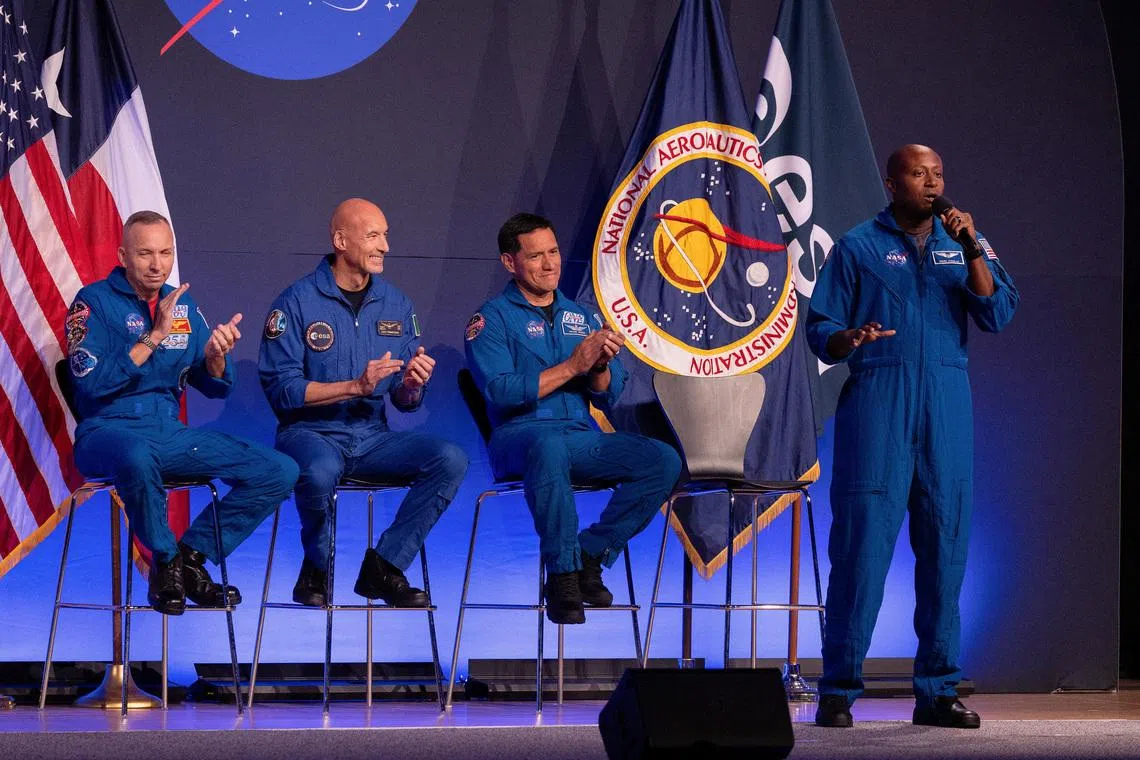
NASA Names Four-Astronaut Crew for Artemis III Moon Mission Launching in 2027
NASA announced on Tuesday that U.S. astronauts Randy Bresnik, Frank Rubio, and Andre Douglas, along with Italian astronaut Luca Parmitano of the European Space Agency, will crew the Artemis III mission scheduled for 2027. The mission will conduct a docking demonstration in Earth's orbit involving spacecraft from SpaceX and Blue Origin, marking the first in-space test of moon landers from both companies. The crew selection highlights international collaboration in NASA's lunar program and includes a record-holder for longest U.S. spaceflight and a first-time space flyer.
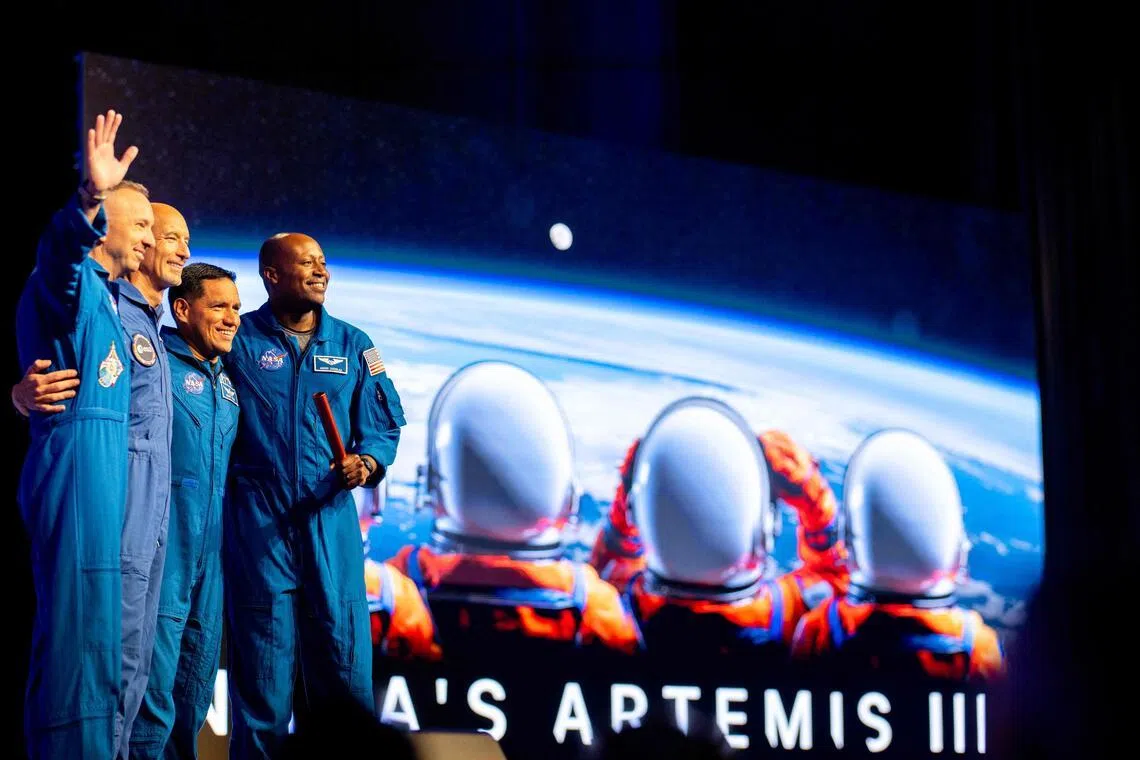
NASA Selects Four-Person Crew for Artemis III Orbital Docking Test Mission in 2027
NASA announced on June 9 that three US astronauts (Andre Douglas, Frank Rubio, Randy Bresnik) and Italian astronaut Luca Parmitano will crew Artemis III, a 2027 mission to test SpaceX's Starship and Blue Origin's Blue Moon landers in Earth orbit before lunar surface missions. The two-week mission will involve multiple spacecraft docking and testing in low-Earth orbit, serving as a critical validation of the landers before crewed moon landings. The mission represents a key step in NASA's Artemis program to establish long-term human presence on the moon amid competition from China's 2030 lunar landing target.
New theoretical predictions advance understanding of how heavy elements form in the universe
Researchers at TU Darmstadt developed theoretical predictions for beta-decay rates in neutron-rich nuclei, which are crucial to understanding heavy element formation in the universe. Beta-decay rates of extremely neutron-rich atomic nuclei have been difficult to measure experimentally, limiting models of element origin. These findings, published in Physical Review Letters, could refine scientific understanding of nucleosynthesis and the cosmic origins of heavy elements.