Study Reports 84% Clinical Benefit Rate for Ivermectin and Mebendazole in Cancer Patients
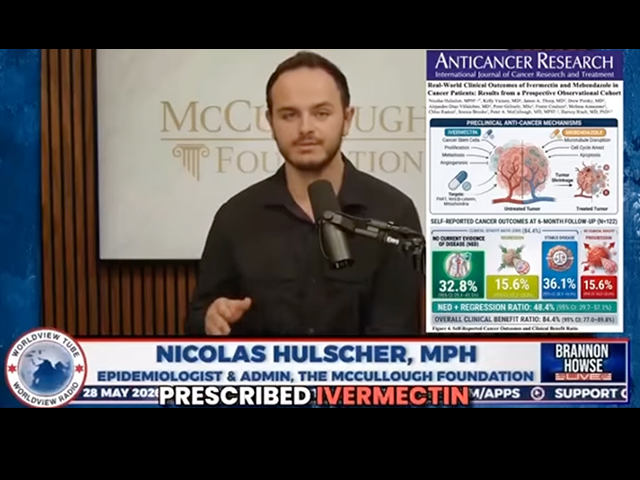
A human observational study of 197 cancer patients treated with off-label ivermectin and mebendazole reported an 84.4% clinical benefit rate, according to research published in Anticancer Research Journal. The study was conducted by The Wellness Company and the McCullough Foundation, organizations that promote these medications. The findings require independent verification and larger randomized controlled trials before clinical adoption, as observational studies have significant limitations in establishing causation.
Researchers affiliated with The Wellness Company and the McCullough Foundation published an observational analysis in Anticancer Research Journal examining 197 cancer patients treated with a combination of ivermectin (25 mg) and mebendazole (250 mg). Of 122 patients who completed six-month follow-up, 84.4% reported clinical benefit defined as no evidence of disease, tumor shrinkage, or stable disease, while 48.4% reported stronger outcomes including tumor shrinkage or no current evidence of disease. The study notes that ivermectin and mebendazole have shown anti-cancer activity in preclinical laboratory models, though robust clinical evidence for the combination remains limited. Researchers argue these inexpensive, widely available medications could represent a potential breakthrough in cancer treatment. However, the study's observational design, small sample size, lack of control group, and financial interest of the sponsoring organization limit the strength of conclusions that can be drawn.
What's missing
The article does not disclose potential conflicts of interest beyond identifying The Wellness Company as the sponsor and product provider. Notably absent is discussion of the study's limitations inherent to observational design (no control group, selection bias, inability to establish causation), comparison to standard cancer treatment outcomes, independent peer review details, or acknowledgment that these medications are not FDA-approved for cancer treatment. The article also does not mention that ivermectin gained attention during COVID-19 as a promoted but unproven treatment, which is relevant context for evaluating claims about its efficacy.
What different sources said
- BreitbartFar Right
Major Cancer Research Breakthrough: Ivermectin Study Published in Anticancer Research Journal
Related
Person dies from rare Murray Valley Encephalitis virus in Western Australia
A person has died after contracting Murray Valley Encephalitis, a rare mosquito-borne virus, while travelling in Western Australia's north, marking the first reported death from the virus in WA this year. The individual was likely exposed in early May in the West Kimberley region, about 2,000 kilometres north of Perth, before being transferred to a Perth hospital where they died. Health authorities are urging residents and tourists to protect themselves from mosquito bites as the region enters its peak tourism season, noting the virus can cause serious brain infection though complications remain rare.

Shigellosis outbreak in Wayanad rises to three confirmed cases; health officials launch investigation
A third student tested positive for shigellosis in Wayanad, Kerala, following an outbreak at Mar Baselios AUP School, bringing confirmed cases to three. The bacterial infection has caused symptoms in 473 people total, with 58 currently hospitalized, prompting health officials to investigate the source and implement stricter sanitation measures. The outbreak highlights concerns about water safety and food hygiene in the region, with authorities conducting well chlorination and inspections of food establishments.

Red-Light Therapy for Hair Loss: Clinical Evidence and Consumer Device Reviews
Wired published a 2026 guide reviewing red-light therapy devices for hair restoration, reporting that clinical studies suggest the treatment can increase blood circulation, reduce inflammation, and support hair follicle growth. Red-light therapy has emerged as an at-home alternative to traditional hair-loss treatments like topical remedies or surgical procedures. The guide matters because hair loss affects millions, and if clinically validated, at-home devices could democratize access to a non-invasive treatment option.