Study Finds Vague Conservation Targets Ineffective for Vulnerable Species
A new study examining African elephant conservation reveals that vague, unmeasurable conservation goals are failing to adequately protect vulnerable species. The research highlights a fundamental challenge conservationists face: deciding whether to concentrate resources on largest populations, fastest-declining areas, or multiple smaller sites. More precise, measurable conservation targets could significantly improve outcomes for at-risk species.
Researchers have identified a critical gap in conservation strategy: the prevalence of vague, non-specific conservation targets that lack measurable outcomes. Using African elephants as a case study, the research demonstrates how unclear goals hamper effective resource allocation in wildlife protection. Conservationists regularly confront difficult strategic decisions about funding distribution—whether to prioritize areas with the largest populations, regions experiencing the steepest population declines, or multiple smaller sites to preserve species range. The study suggests that shifting toward more precise, quantifiable conservation objectives could substantially improve protection outcomes for vulnerable species. This finding has implications for how conservation organizations structure their strategies and allocate limited financial resources across competing priorities.
Limitations & open questions
The article does not specify what specific measurable targets the study recommends, nor does it detail the actual outcomes observed in African elephant populations when comparing different conservation approaches. Additional context on the study's methodology, funding sources, or which conservation organizations were examined would strengthen understanding.
What different sources said
- Phys.orgCenter
Why vague conservation targets are failing some vulnerable species
Related
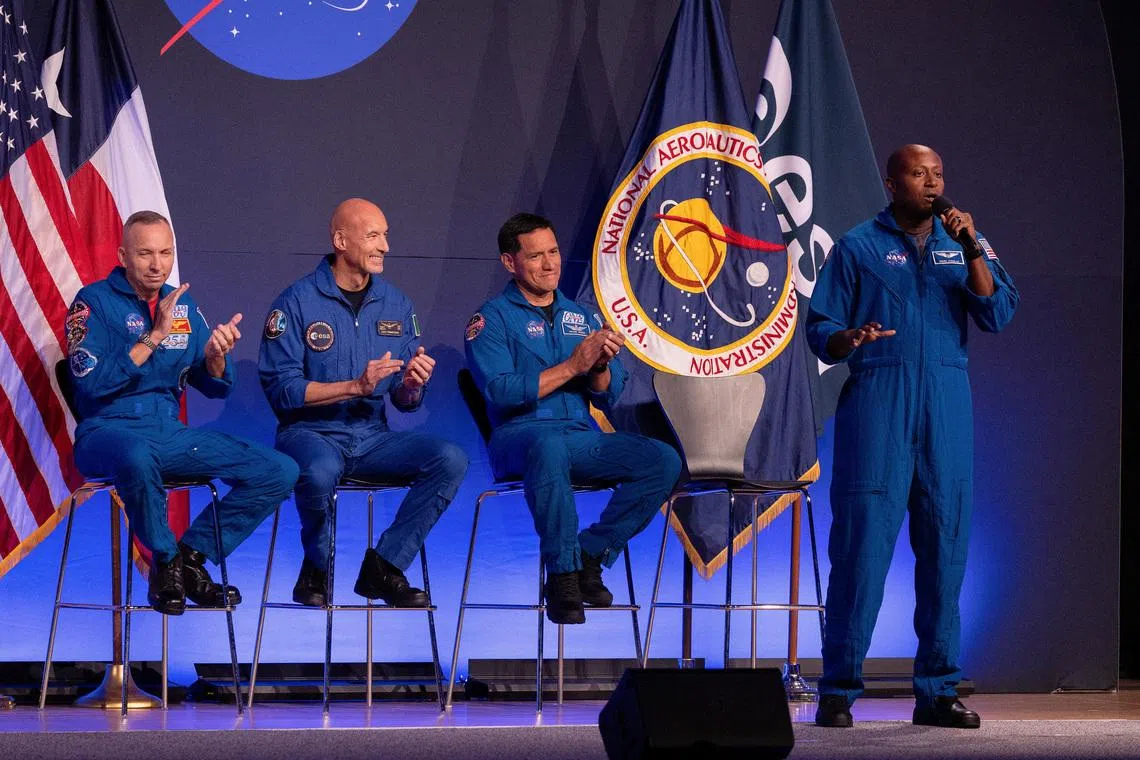
NASA Names Four-Astronaut Crew for Artemis III Moon Mission Launching in 2027
NASA announced on Tuesday that U.S. astronauts Randy Bresnik, Frank Rubio, and Andre Douglas, along with Italian astronaut Luca Parmitano of the European Space Agency, will crew the Artemis III mission scheduled for 2027. The mission will conduct a docking demonstration in Earth's orbit involving spacecraft from SpaceX and Blue Origin, marking the first in-space test of moon landers from both companies. The crew selection highlights international collaboration in NASA's lunar program and includes a record-holder for longest U.S. spaceflight and a first-time space flyer.
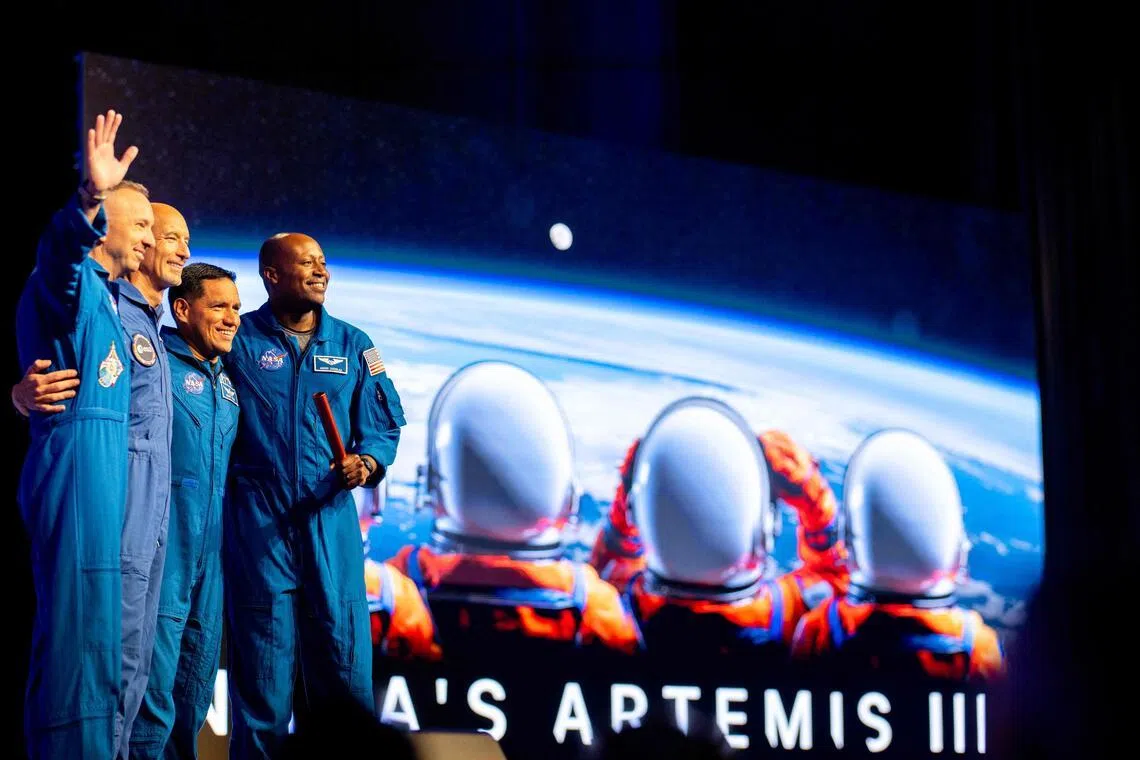
NASA Selects Four-Person Crew for Artemis III Orbital Docking Test Mission in 2027
NASA announced on June 9 that three US astronauts (Andre Douglas, Frank Rubio, Randy Bresnik) and Italian astronaut Luca Parmitano will crew Artemis III, a 2027 mission to test SpaceX's Starship and Blue Origin's Blue Moon landers in Earth orbit before lunar surface missions. The two-week mission will involve multiple spacecraft docking and testing in low-Earth orbit, serving as a critical validation of the landers before crewed moon landings. The mission represents a key step in NASA's Artemis program to establish long-term human presence on the moon amid competition from China's 2030 lunar landing target.
New theoretical predictions advance understanding of how heavy elements form in the universe
Researchers at TU Darmstadt developed theoretical predictions for beta-decay rates in neutron-rich nuclei, which are crucial to understanding heavy element formation in the universe. Beta-decay rates of extremely neutron-rich atomic nuclei have been difficult to measure experimentally, limiting models of element origin. These findings, published in Physical Review Letters, could refine scientific understanding of nucleosynthesis and the cosmic origins of heavy elements.