Study Finds Financial Markets Underpricing Biodiversity Loss Risks, Potentially Affecting $83 Trillion in Assets

New research published in Nature warns that financial markets are not accounting for economic costs of biodiversity loss, potentially leaving countries vulnerable to debt defaults and asset mispricing. The study highlights that while environmental degradation is recognized as a serious risk, sovereign debt markets lack mechanisms to factor these costs into pricing. This gap could have significant implications for global financial stability and borrowing costs for affected nations.
According to research published in Nature, financial markets are failing to incorporate the economic consequences of biodiversity loss into their pricing models, creating a blind spot that could affect approximately $83 trillion in assets globally. The study indicates that while environmental degradation is acknowledged as a serious financial risk, sovereign debt markets currently lack the tools or frameworks to account for these costs when assessing creditworthiness and setting borrowing rates. This disconnect between environmental reality and financial pricing could leave several countries at increased risk of debt defaults and higher borrowing costs. The research suggests that this mispricing represents a significant gap in how markets evaluate financial risk in an era of accelerating ecological change.
What's missing
The specific mechanisms by which biodiversity loss translates into sovereign debt risk, the identity of the countries identified as most vulnerable, and the methodological approach used in the Nature study to quantify the $83 trillion figure are not detailed in the provided excerpt.
What different sources said
- Phys.orgCenter
How biodiversity loss could raise borrowing costs and deepen debt risks worldwide
Related
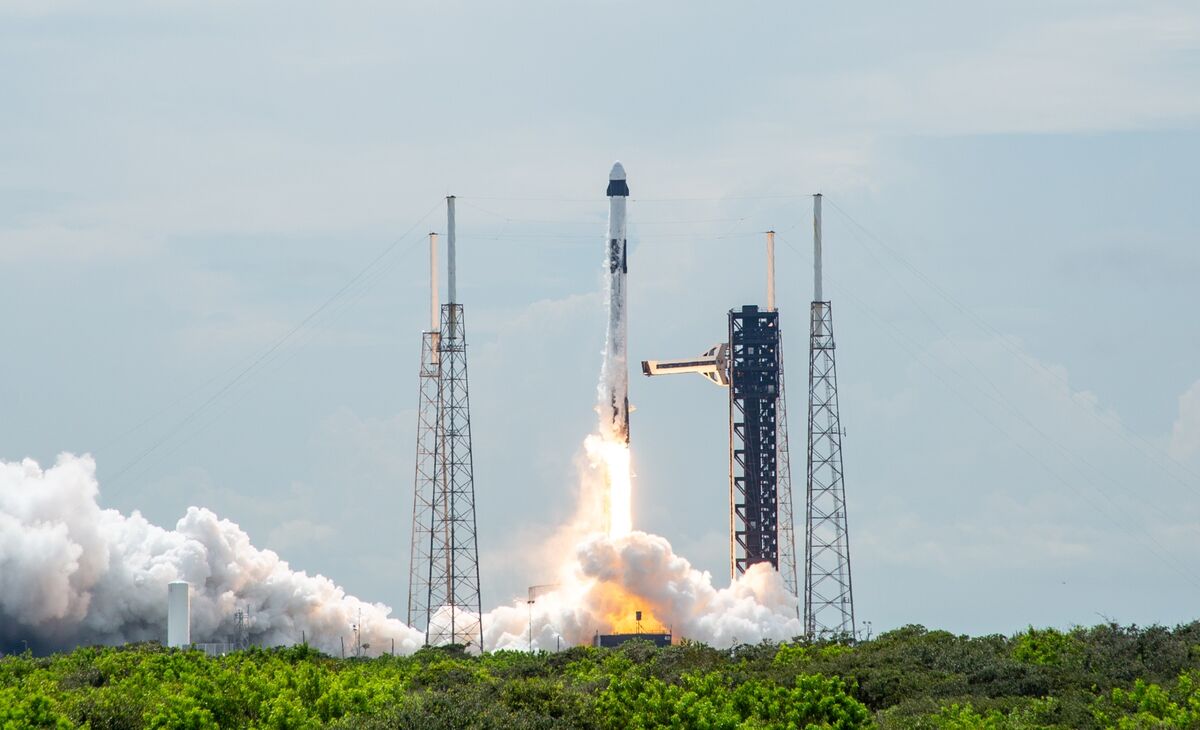
Retail Investors Show Strong Appetite for SpaceX IPO Despite Access Barriers
SpaceX is preparing for an initial public offering on Friday, generating significant retail investor interest. The company has attracted widespread demand from individual investors seeking exposure to Elon Musk's space venture. High demand reflects investor enthusiasm for the space industry, though some retail investors face borrowing constraints to participate.

China's Strategic Oil Reserves Help Prevent Crude Price Surge Despite Iran Conflict and Strait of Hormuz Closure
Oil prices have remained around $94 per barrel despite predictions they would exceed $200 following an Iran conflict and the effective closure of the Strait of Hormuz, which handles 20% of global oil supply. China's reduction in crude imports from 11 million to 7.8 million barrels per day—accounting for 74% of the world's decreased oil trade—has stabilized prices by drawing on its 1.4 billion barrel strategic reserve. Analysts warn this cushioning effect cannot last indefinitely, as China's reserves will eventually need replenishment and the market will require higher prices to restore balance.

Nike Faces Pressure to Prove Itself Following Analyst Downgrade
Nike has received a tough analyst downgrade, putting the company under increased scrutiny to demonstrate its business performance and strategic direction. The downgrade reflects concerns about the athletic apparel company's current market position and outlook. The timing is significant as Nike works to regain investor confidence and prove its long-term viability.