China's Strategic Oil Reserves Help Prevent Crude Price Surge Despite Iran Conflict and Strait of Hormuz Closure
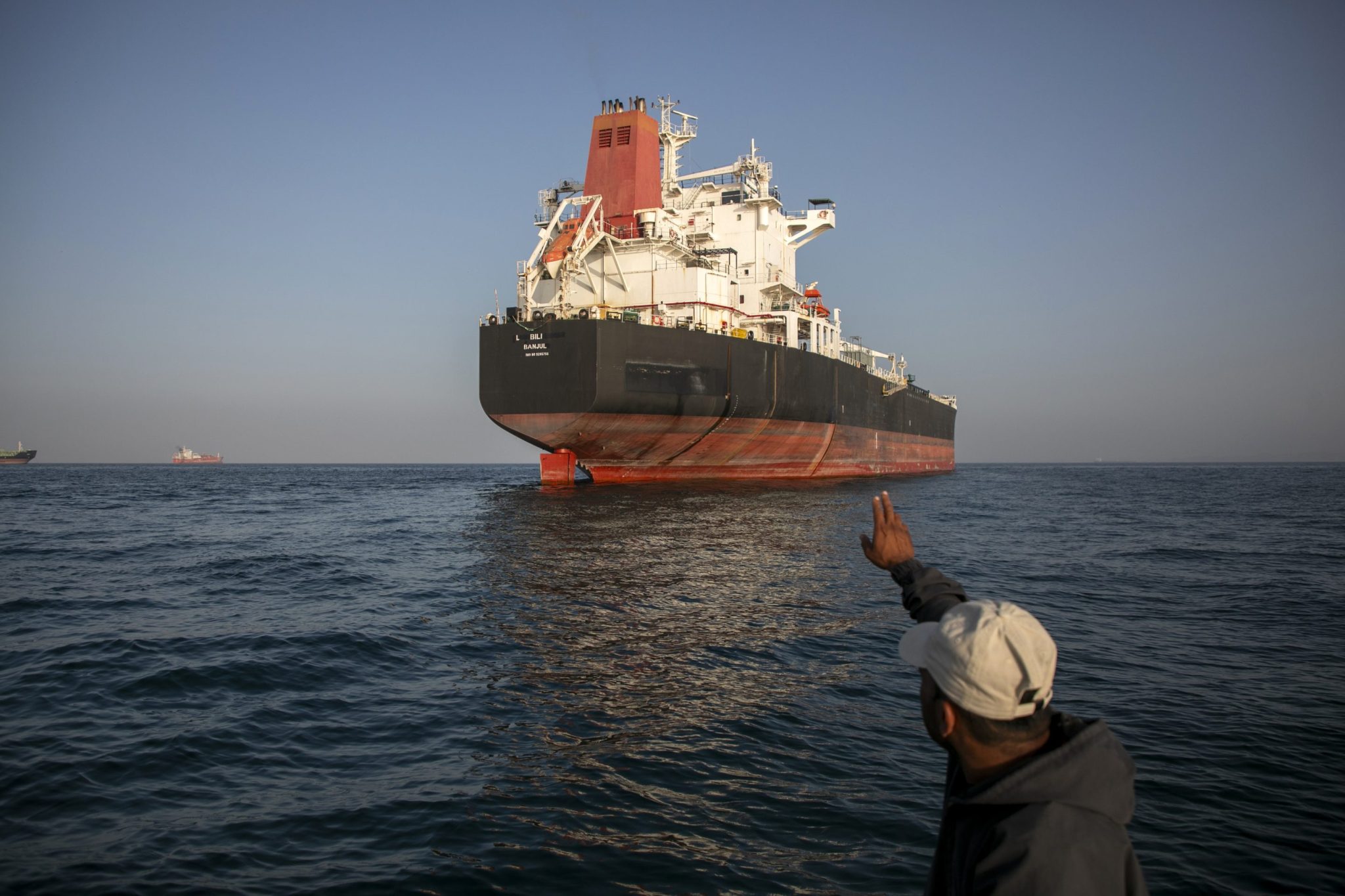
Oil prices have remained around $94 per barrel despite predictions they would exceed $200 following an Iran conflict and the effective closure of the Strait of Hormuz, which handles 20% of global oil supply. China's reduction in crude imports from 11 million to 7.8 million barrels per day—accounting for 74% of the world's decreased oil trade—has stabilized prices by drawing on its 1.4 billion barrel strategic reserve. Analysts warn this cushioning effect cannot last indefinitely, as China's reserves will eventually need replenishment and the market will require higher prices to restore balance.
More than three months into an Iran conflict that prompted analysts to predict oil prices would triple to over $200 per barrel, crude has instead remained relatively stable around $94 per barrel as of the reporting date. The Strait of Hormuz's effective closure represents the largest energy disruption in global history, removing approximately 14% of global crude supply from markets. However, China's dramatic reduction in oil imports—from a five-year average of 11 million barrels daily to 7.8 million in May, its lowest in nearly a decade—has prevented the price surge that historical precedent would suggest. By drawing on its strategic petroleum reserve of 1.4 billion barrels, China has become what analysts call the market's "key rebalancing force," with its import reduction accounting for 74% of global crude trade decreases. Experts including Michal Meidan of the Oxford Institute for Energy Studies caution that this stabilizing effect has limits, noting that China must eventually rebuild reserves and resume purchasing at higher prices. Additional factors like U.S. willingness to export oil and greater-than-expected Strait passage have also moderated prices, but analysts warn these conditions cannot sustain indefinitely without structural market rebalancing.
What's missing
The article does not specify the exact timeline of the Iran conflict or clarify what triggered the Strait of Hormuz closure, which would help readers understand the geopolitical context. Additionally, the current status of the conflict and whether it remains ongoing at publication time is unclear.
What different sources said
- FortuneCenter
Analysts expected oil to surge above $200 but China has quietly kept prices half of that—and can’t for much longer
Related

Altcoin Markets Lack Transparency and Oversight, Exposing Retail Investors to Manipulation Risks
Newsweek reports that altcoin markets operate with minimal regulatory oversight and opaque market-making agreements that can create the illusion of legitimate trading activity before collapsing. Unlike traditional equities, altcoins face inconsistent standards and limited enforcement, making it easier for retail investors to be misled by artificially inflated trading volumes and liquidity. The lack of transparency poses risks not only to individual investors but to the credibility of the entire cryptocurrency industry.

Amazon Borrows $17.5 Billion from Banks as Tech Giants Escalate AI Spending
Amazon has secured a $17.5 billion delayed draw term loan from major banks including Citigroup, JPMorgan Chase, and Wells Fargo, following a $14 billion Canadian bond sale two days prior. The borrowing is part of a broader trend of tech companies taking on significant debt to fund AI infrastructure and data center expansion. The scale of these financing activities reflects intensifying competition in the AI sector, though investors increasingly question whether the massive capital expenditures will generate sufficient returns.

CFTC Seeks Public Input on Regulating Prediction Market Bets on Reality TV and Entertainment
The Commodity Futures Trading Commission published a proposed rulemaking Wednesday asking for public comment on whether prediction markets should be allowed to offer bets on reality shows, music competitions, and other entertainment programming. The agency is seeking to clarify its definition of "gaming" under federal law, which currently allows it to ban markets deemed contrary to the public interest. The issue gained urgency after prediction market users appeared to have inside knowledge of Survivor's season 50 winner before it aired, prompting the show's host Jeff Probst to criticize the markets for incentivizing information leakage.