Study Finds Anti-Inflammatory Brain Drug Paradoxically Increases HIV Levels in Brain
Researchers discovered that blocking a protein called alpha-4 integrin—intended to reduce brain inflammation in HIV patients—unexpectedly increased viral levels in the brain. The drug reduced killer T cells while helper T cells continued carrying HIV into the brain, leaving fewer immune cells to combat the infection. This finding challenges current approaches to treating HIV-related brain damage and highlights the complexity of immune responses in the central nervous system.
A study led by researchers across multiple institutions found that a multiple sclerosis drug targeting integrins, proteins that help immune cells enter the brain, produced counterintuitive results in HIV-infected primates. The team tested the therapy on rhesus macaques infected with SIV (a primate version of HIV), expecting it would reduce inflammation by blocking immune cell entry into the brain. Instead, blocking the alpha-4 integrin increased viral levels in certain brain areas. Further investigation revealed the mechanism: while the drug did not reduce helper T cells in the brain, it significantly decreased killer T cells—the immune cells responsible for destroying infected cells. This imbalance allowed helper T cells carrying HIV to persist in the brain with fewer killer T cells to control them, perpetuating inflammation. The findings underscore why HIV persists in the brain despite effective antiretroviral drugs and suggest that anti-inflammatory approaches must carefully preserve the full spectrum of immune defenses.
Limitations & open questions
The study's limitations include reliance on animal models (rhesus macaques and mice) rather than human subjects, which may not fully translate to human HIV pathology. The article does not discuss whether alternative integrin-blocking strategies or combination therapies might avoid this counterproductive effect, nor does it address the timeline for potential human clinical trials.
What different sources said
- The ConversationCenter
HIV enters the brain and doesn’t leave – paradoxically, drugs intended to reduce brain inflammation increase virus levels
Related
New AI Framework Improves Evidence-Based Analysis for Muon Collider Research
Researchers have developed an AI system called agentic hybrid RAG that combines retrieval and reasoning techniques to help scientists find and verify evidence in muon collider research literature. The framework integrates both keyword-based and semantic search methods with AI reasoning to decompose complex queries and synthesize answers. This work addresses a growing need in high-energy physics for AI-assisted tools that can reliably navigate rapidly expanding scientific literature.

NASA Announces Four-Astronaut Crew for Artemis III Moon Mission
NASA named three U.S. astronauts and one Italian astronaut from the European Space Agency as the crew for Artemis III, scheduled to launch in 2027. The mission will conduct a docking demonstration in Earth's orbit and test moon landers from SpaceX and Blue Origin. The crew includes a veteran test pilot, a record-holder for longest U.S. spaceflight, and a first-time space flyer.
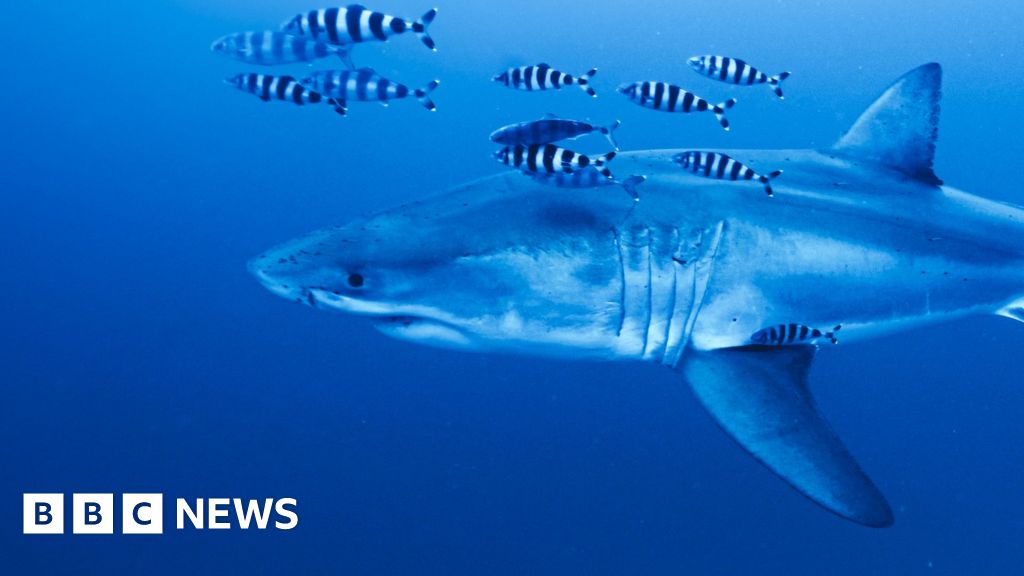
Rare Great White shark filmed in Mediterranean Sea between Tunisia and Sicily
A volunteer diver captured rare footage of a Great White shark in the Mediterranean Sea in May while working to document ghost fishing nets. The sighting is significant because Great Whites are thought to be near extinction in the Mediterranean due to overfishing. Conservationists hope the discovery will prompt governments to establish marine protected areas in the region.