SpaceX IPO Could Make Elon Musk World's First Trillionaire
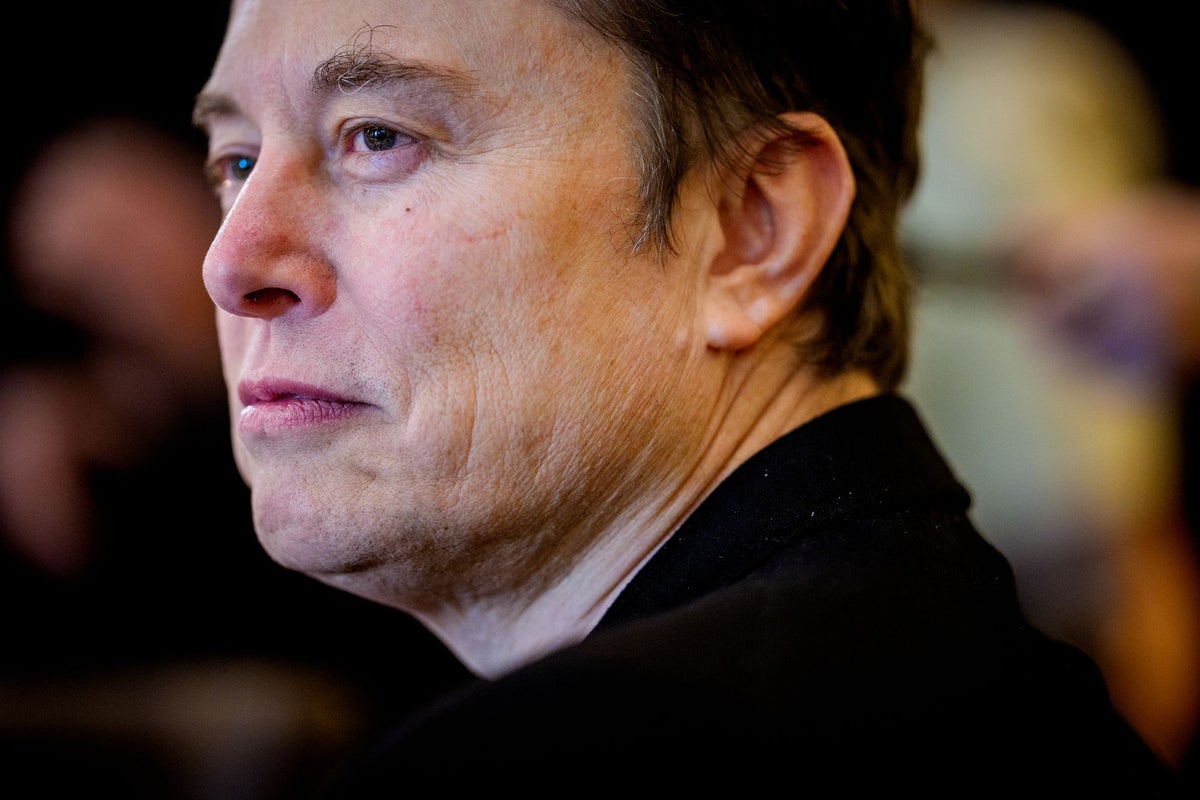
SpaceX completed the largest IPO in history on Thursday, raising $75 billion at $135 per share, with shares climbing nearly 20 percent to around $161 by Friday's close, pushing the company's market cap above $2 trillion. The offering boosted Musk's estimated net worth to approximately $982.6 billion, placing him on the threshold of becoming the world's first trillionaire. The milestone would mark an unprecedented concentration of individual wealth, surpassing the annual economic output of most countries.
SpaceX priced its initial public offering at $135 per share, selling 555.6 million shares to institutional and retail investors and raising $75 billion — easily surpassing Saudi Aramco's 2019 record of $26 billion. By Friday's market close, SpaceX shares had gained nearly 20 percent to approximately $161, lifting the company's valuation above $2 trillion. Forbes estimated Musk's net worth at $982.6 billion ahead of the first trade, with his SpaceX holdings — including more than 4.8 billion shares and stock options — accounting for roughly $688 billion of that figure, while his 12 percent Tesla stake contributes approximately $165 billion. Musk stated the company went public to fund ambitions including satellite deployment, orbital data centers, and an eventual Mars colony, though SpaceX reported losses of $8.7 billion between early 2025 and March 2026. Nasdaq revised its index inclusion rules to allow SpaceX to enter relevant funds within 15 days, accelerating retail investor exposure. Not all stakeholders welcomed the listing: pension fund officials in California and New York raised concerns over super-voting shares, mandatory arbitration clauses, and Musk's concentrated control. Musk's path to trillionaire status could be confirmed if SpaceX shares hold near current levels or Tesla's stock rises modestly from $399 to $424 per share.
What's missing
Neither source details the specific governance structure of SpaceX's super-voting shares or the precise ratio of voting power Musk retains post-IPO, which is central to the shareholder concerns raised.
How coverage differed
The Independent framed the story with heavier emphasis on Musk's political controversies, his split with Trump, Tesla boycotts, and wealth inequality concerns, while Global News Canada focused more neutrally on the financial mechanics of the IPO, investor sentiment, and SpaceX's business ambitions.
What different sources said
- Global News CanadaCenter
SpaceX IPO launch could pave Elon Musk’s path to trillionaire status
- The IndependentLeft
Where does Elon Musk’s phenomenal wealth come from?
Related
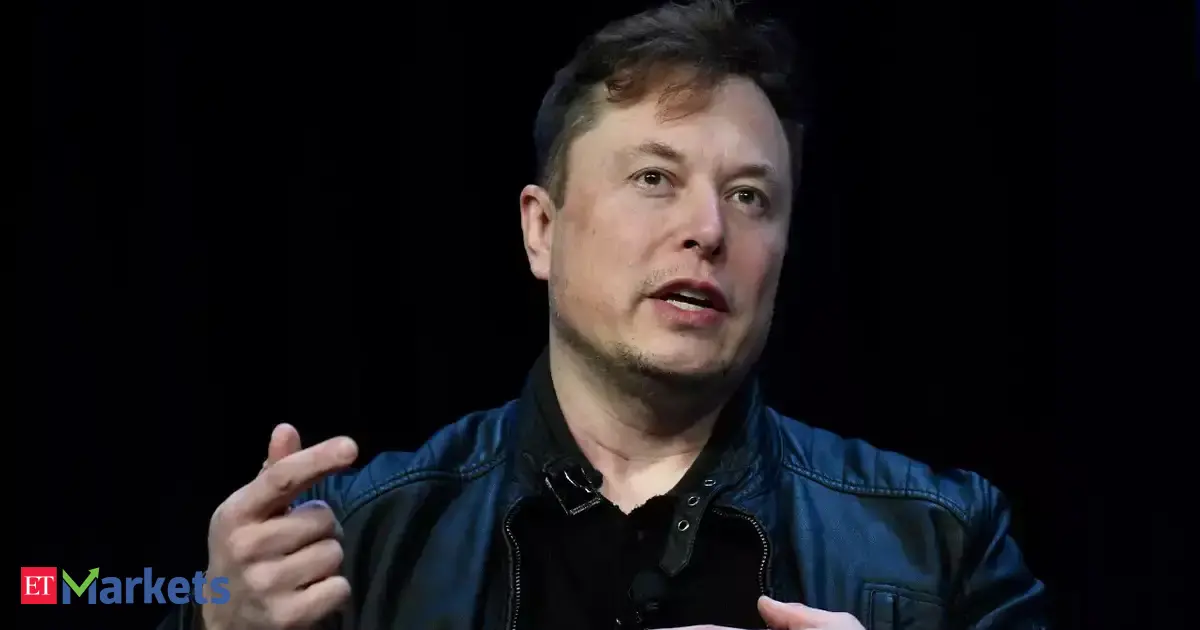
SpaceX IPO Makes Elon Musk World's First Trillionaire as Shares Surge 19% on Debut
SpaceX shares closed up 19% on their first trading day, pushing Elon Musk's net worth to approximately $1.11 trillion and making him the first individual in history to cross the trillion-dollar threshold. The company raised $75 billion at an IPO price of $135 per share, with shares closing near $161, giving SpaceX a market capitalization of roughly $2.1 trillion despite the company reporting a net loss of $4.94 billion in 2025. The milestone has drawn both investor enthusiasm and sharp criticism over Musk's social media conduct and concerns that the IPO's structure exploits passive index fund mechanics to extract wealth from ordinary retirement savers.

Delhi Power Bills to Rise for Some Consumers as Regulator Approves Higher Electricity Surcharge
Delhi's electricity regulator DERC has approved increased Power Purchase Adjustment Charges (PPAC) for distribution companies, raising bills for consumers in south, east, and central Delhi from July 2026. The hike follows a sharp rise in power procurement costs in April 2026, driven by higher summer demand and elevated fuel prices. The change also marks a structural shift from quarterly to monthly PPAC revisions, making electricity bills more responsive to real-time cost fluctuations.

SEC Proposes Repealing Rule 611 and Rule 610(e) of Regulation NMS
The Securities and Exchange Commission proposed on June 11, 2026, to rescind Rule 611 and Rule 610(e) of Regulation NMS, which govern trade-through protections and locking/crossing quotations in equity markets. Rule 611, in place for roughly two decades, requires trades to be executed at the best available price across exchanges. The proposal could reshape equity market structure and has implications for emerging areas such as tokenized stocks.