Short-seller Andrew Left Convicted on 12 Counts of Securities Fraud, Plans Appeal
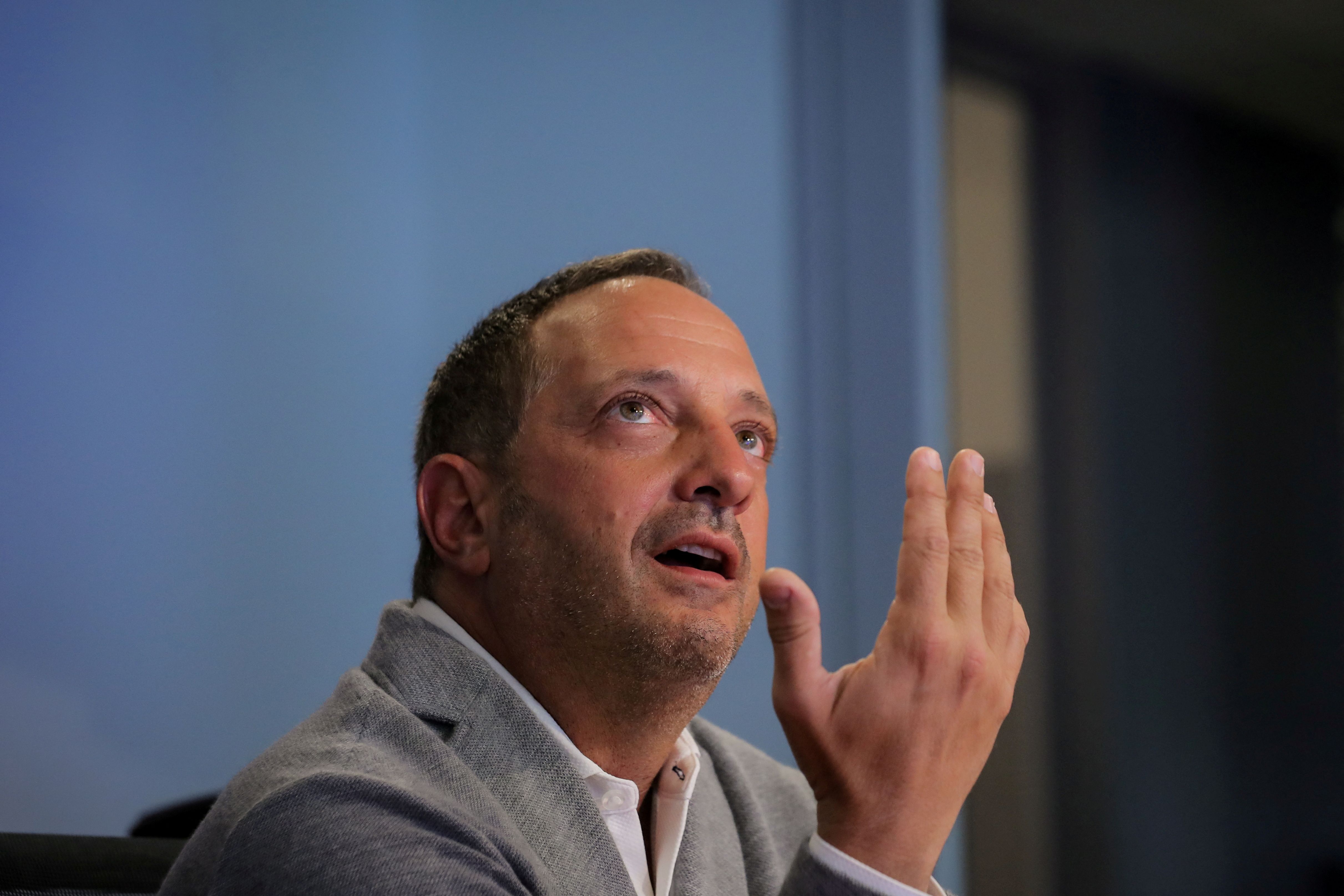
Activist short-seller Andrew Left was convicted in Los Angeles on 12 counts of securities fraud for allegedly manipulating stock prices through media appearances before closing profitable positions. The case was initiated under the Biden administration and continued by the Trump Justice Department, and Left claims the conviction threatens free speech rights. The verdict may have a chilling effect on short-selling practices, which critics say are important for exposing corporate wrongdoing.
Andrew Left, a prominent activist short-seller known for his media appearances and influence among retail traders, was convicted on 12 counts of securities fraud in Los Angeles. Prosecutors alleged that Left used television appearances to disguise his intentions and manipulate stock markets, specifically citing his criticism of publicly traded companies followed by closing positions after share prices fell. Left announced plans to appeal the conviction, framing the case as a free speech issue and comparing his situation to Elon Musk's civil charges related to his "420 tweet." The case was originally initiated during the Biden administration and subsequently pursued by the Trump Justice Department. Legal experts and market observers anticipate the conviction may discourage short-selling activity, despite arguments from defenders that the practice serves an important market function by incentivizing exposure of corporate wrongdoing and providing checks on passive investment strategies.
What's missing
The specific details of the evidence presented at trial, the jury's reasoning, the timeline of the alleged manipulative conduct, and the potential sentencing implications are not provided.
What different sources said
- SemaforCenter
Short-seller Andrew Left will appeal fraud conviction
Related
Higher Oil Prices Boost Russia's Government Revenue but Fail to Accelerate Economic Growth
Rising oil prices are increasing Russia's government revenue and current-account surplus despite Western sanctions, with every $10 increase in oil prices adding roughly $21 billion in budget revenue. However, severe labor shortages from military losses and emigration, combined with weak productivity, are preventing the economy from expanding beyond 0.9% growth in 2026. The oil windfall highlights structural constraints in Russia's economy that money alone cannot overcome.

U.S. Markets Stage Rebounds Following Chip Stock Selloff
U.S. markets have rebounded twice following a dramatic Friday selloff in chip stocks, with gains at Monday's open and Tuesday afternoon. The Nasdaq 100 remains down 4.25% for the month despite the recoveries, and volatility has increased sharply. The pattern reflects the market's traditional 'buy the dip' behavior as investors resist giving up recent gains.
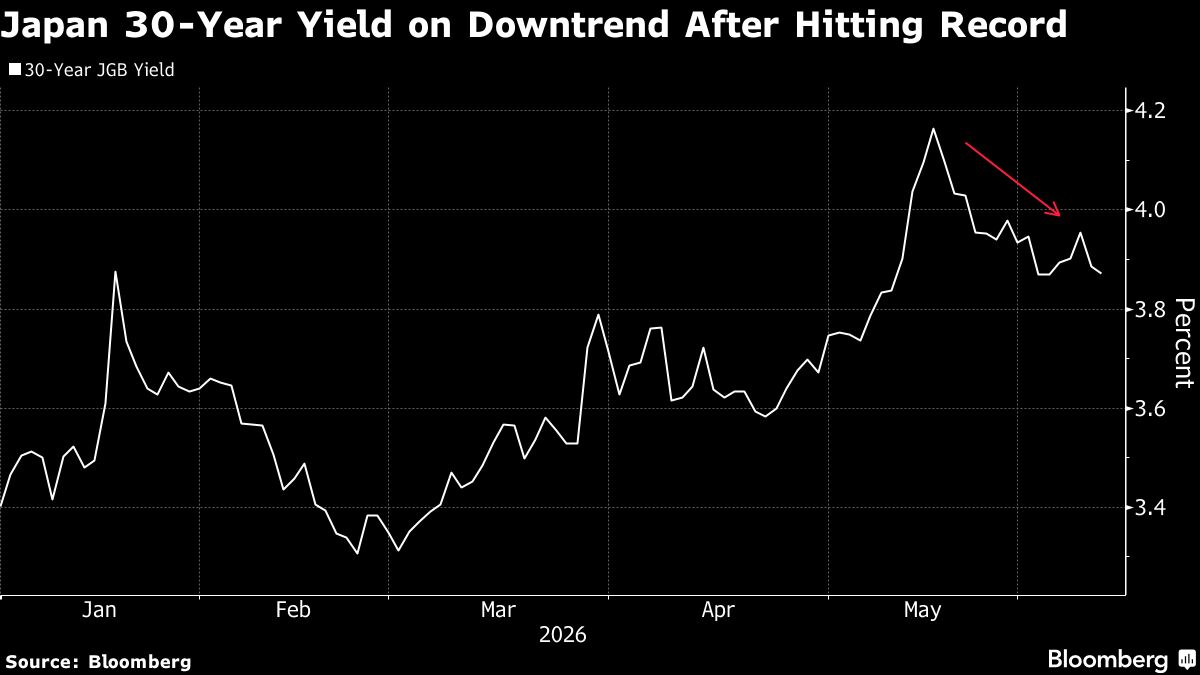
Japan's 30-Year Bond Auction Sees Weakest Demand in Over a Year
Japan's 30-year government bond auction on June 10, 2026 attracted the weakest demand since June 2025, with a bid-to-cover ratio of 2.94 compared to the previous 3.49. The decline reflects investor concerns over inflation and fiscal policy, as well as falling yields reducing appetite for the bonds. Weak bond demand can signal investor anxiety about Japan's economic outlook and fiscal sustainability.