Sewage Overflow at Thoothukudi Government Medical College Hospital Raises Health Concerns

Sewage has been pooling at three locations within Thoothukudi Government Medical College Hospital after two motors in the drainage system failed several months ago, creating unsanitary conditions near patient areas. The hospital's drainage system relies on motors to pump sewage from bathrooms and toilets to an underground system, and their breakdown has caused overflow near the pediatric ward, main entrance, and mortuary. PWD officials have begun repairs on the motors and plan to install new doors on damaged toilets within a week to address the sanitation crisis.
Sewage stagnation at Thoothukudi Government Medical College Hospital (TKMCH) has created multiple pools of waste at three locations on the hospital campus, affecting patient experience and hygiene standards. The problem began when two motors in the well-like structure that pumps sewage to the underground drainage system broke down approximately two months ago, causing sewage to overflow near the pediatric ward, the Tiruchendur Road entrance, and the mortuary. Following complaints from patients and intervention by local political office-bearers, the Public Works Department (PWD) sent personnel to repair the defunct motors, which were lifted for servicing on Wednesday. PWD officials stated the repaired motors would be ready for operation soon, though hospital doctors indicated on Wednesday evening that servicing and installation remained incomplete. The hospital also faces additional infrastructure issues, including door-less toilets that PWD attributes to patient damage, with orders placed for 60 durable composite doors expected to be installed within a week.
What's missing
The article does not specify the timeline for when the repaired motors will be fully reinstalled and operational, nor does it provide details on the hospital's contingency sanitation measures during the repair period or any official health impact assessment of the sewage overflow.
What different sources said
- The HinduCenter
Sewage pools in Thoothukudi Medical College Hospital irk patients
Related
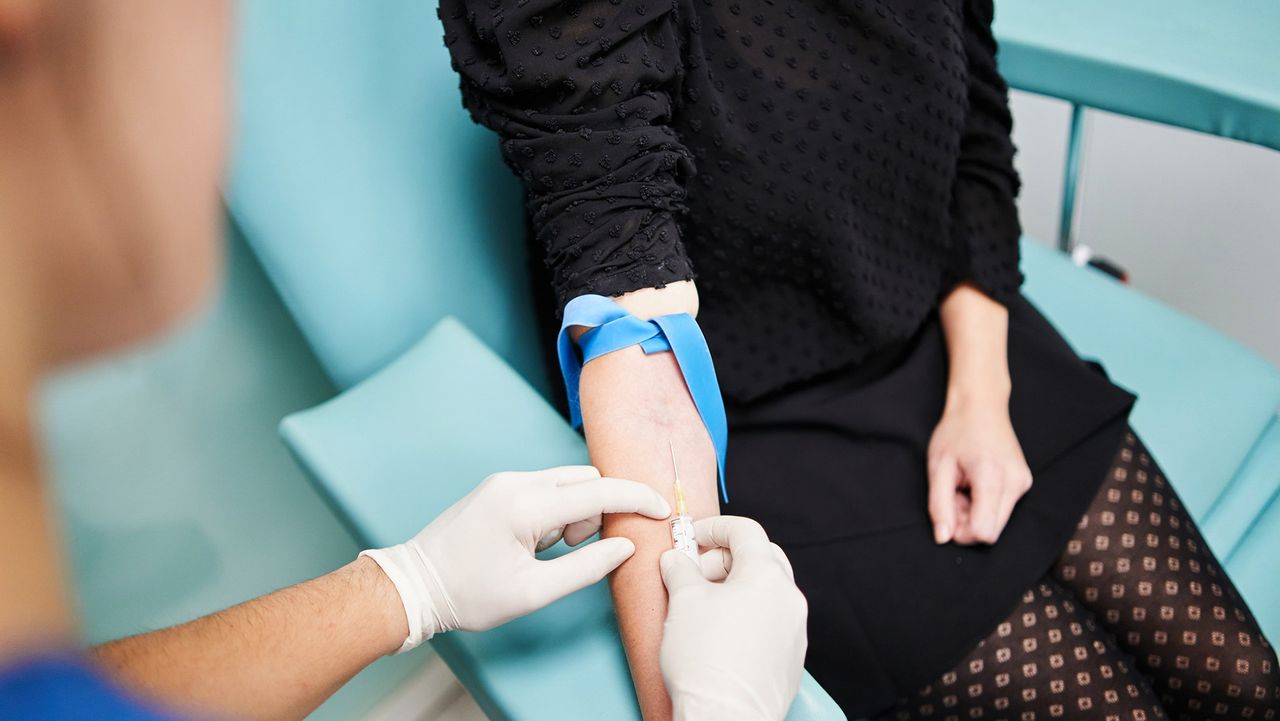
Multi-Cancer Blood Test Galleri Fails Primary Trial Endpoint
A major clinical trial of Galleri, a blood test designed to detect multiple cancers early, failed to meet its primary goal of reducing late-stage cancer diagnoses when results were announced in February. Multi-cancer early detection (MCED) tests aim to improve survival rates by identifying disease at earlier, more treatable stages. The failure raises questions about the effectiveness of this promising diagnostic approach despite initial scientific enthusiasm.
Study Uses CPAP Data to Measure Social Jet Lag in Sleep Apnea Patients
Researchers analyzed CPAP adherence records from nearly 3,000 obstructive sleep apnea patients to measure social jet lag—the circadian misalignment between work and free days. About 16-21% of patients showed moderate to severe social jet lag, with prevalence highest in younger and middle-aged adults and declining after age 65. The findings suggest CPAP devices could routinely screen for circadian misalignment, potentially identifying patients who need additional behavioral or activity-based interventions.

FDA Updates Alli Label to Warn of Rare but Potentially Fatal Kidney Problems
The FDA has approved updated labeling for Alli, an over-the-counter weight loss pill, to warn of rare risks including acute kidney injury, kidney stones, and oxalate nephropathy. The agency now instructs people with kidney disease history to consult a doctor before use and directs all users to stop taking the drug if they experience symptoms like back pain, blood in urine, or leg swelling. This warning is significant because Alli is the only OTC weight loss medication available in the U.S., and approximately 40 million people have used orlistat (Alli's generic form) since its approval in 1999.