SECURE Data Act Proposed as National Privacy Framework to Replace State Patchwork
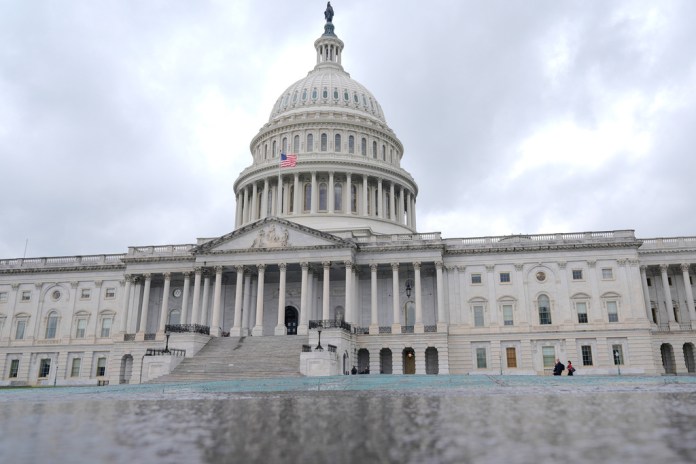
Congress has introduced the SECURE Data Act, which would establish a uniform national data privacy standard based on a bipartisan approach already adopted by 20 states. The bill aims to extend privacy protections to approximately 150 million Americans currently lacking comprehensive safeguards while reducing compliance burdens on businesses operating across state lines. The legislation represents an attempt to resolve the fragmented state-by-state privacy landscape that has created compliance challenges for interstate commerce.
The SECURE Data Act, recently introduced in Congress, proposes a national data privacy framework built on the Consensus Privacy Approach already enacted by 20 states representing over 135 million people. The bill would guarantee all Americans core privacy rights including the ability to know what data companies hold, delete personal information, correct inaccuracies, and opt out of data sales and targeted advertising. The legislation goes beyond existing state laws by establishing a national data broker registry, protecting minors' data up to age 16, and filling gaps in early state laws such as Utah and Iowa that lacked explicit opt-out provisions. Enforcement would be handled by the Federal Trade Commission and state attorneys general, and the bill rejects private lawsuits in favor of regulatory enforcement. Supporters argue the federal standard would resolve the current patchwork problem where businesses must comply with varying state requirements, citing examples of costly compliance burdens such as California's rules that could cost small businesses $16,000 annually.
What's missing
The article does not provide details on potential opposition to the SECURE Data Act, including concerns from privacy advocates who may argue the federal standard is weaker than some existing state laws, or specific timelines for congressional consideration of the bill.
What different sources said
- Washington ExaminerRight
It’s time to pass the SECURE Data Act
Related

Nigel Farage Returns to Public View After Seven Weeks of Limited Appearances Following £5m Donation Controversy
Nigel Farage, leader of Reform UK, re-emerged publicly on Wednesday after seven weeks of largely avoiding media scrutiny following revelations that he received a £5 million personal gift from a crypto billionaire. The donation has been explained differently in various interviews—as payment for security, a Brexit reward, and other justifications—while Farage has cancelled events and limited public appearances. His return comes as Reform UK loses political ground to the further-right Restore Britain party, and observers suggest his absence has been an attempt to dodge accountability on the donation's origins and propriety.

Meta Employee Detained by Immigration Authorities Following Company Layoffs
A former Meta employee who was laid off on May 20 was recently detained by US immigration authorities, according to internal company communications reviewed by WIRED. The employee, whose nationality and visa status remain unconfirmed, was believed to be detained in El Paso, Texas, near the US-Mexico border. The incident highlights vulnerabilities for international workers on visa sponsorships who lose employment and the broader context of intensified immigration enforcement under the Trump administration.

EPA Replaces Desk Phones with Laptop Calling Software; Union Raises 911 Safety Concerns
The EPA replaced employee desk phones with calling software on laptops, prompting the largest EPA employee union to raise safety concerns about 911 geolocation functionality. The union claims the software does not reliably transmit location data to emergency responders, creating potential risks during medical emergencies. The issue highlights broader workplace safety and emergency response reliability questions in federal agency modernization efforts.