EPA Replaces Desk Phones with Laptop Calling Software; Union Raises 911 Safety Concerns

The EPA replaced employee desk phones with calling software on laptops, prompting the largest EPA employee union to raise safety concerns about 911 geolocation functionality. The union claims the software does not reliably transmit location data to emergency responders, creating potential risks during medical emergencies. The issue highlights broader workplace safety and emergency response reliability questions in federal agency modernization efforts.
The Environmental Protection Agency has transitioned employee desk phones to calling software integrated into laptops, a cost-saving modernization measure that has triggered safety concerns from the union representing the agency's largest workforce. According to Justin Chen, president of the EPA's primary employee union, the software's 911 geolocation feature does not function reliably, potentially preventing emergency responders from quickly locating callers in crisis situations. The union cited a recent medical emergency at the EPA as evidence of the system's inadequacy. This transition raises questions about the adequacy of testing and safety protocols before implementing technology changes that could affect emergency response capabilities in federal workplaces.
What's missing
The specific details of the recent medical emergency cited by the union, the EPA's rationale for the transition, whether other federal agencies have implemented similar systems, and any response or timeline from EPA management regarding the union's safety concerns are not provided in the available source material.
What different sources said
- The HillCenter
EPA replaced employee desk phones with calling software. The union says 9-1-1 doesn't work correctly
Related
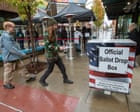
Shasta County, California Approves Ballot Measure Restricting Mail-in Voting Despite Legal Challenges
Shasta County voters approved Measure B, which would eliminate mail-in voting, require in-person voting on a single day, mandate photo ID, and implement hand counting of ballots. The measure appears to violate California state law and would affect approximately 85% of county residents who currently vote by mail. State officials and voting rights organizations have signaled legal challenges, citing both legal violations and the absence of documented election fraud problems.

Tom Steyer's $215 Million California Gubernatorial Campaign Ends Without Victory
Billionaire climate activist Tom Steyer failed to advance to California's general election for governor despite spending over $215 million of his own money, finishing outside the top two in the all-party primary. This marks Steyer's second unsuccessful bid for elected office, following a $300+ million presidential campaign in 2020. The outcome raises questions about the effectiveness of self-funding as a strategy for winning political office.
Dan Bongino Clashed With Trump Administration Over Epstein Files Release Strategy
According to reporting from a forthcoming book by Jonathan Swan and Maggie Haberman, Dan Bongino grew frustrated with the Trump White House's handling of the Jeffrey Epstein files in summer 2025, arguing the administration was underestimating public interest in their release. The conflict came to a head when the DOJ and FBI released a memo concluding there was no evidence of an Epstein client list, which Bongino viewed as misaligned with transparency promises. The incident highlights internal disagreements within the Trump administration over how to manage the politically sensitive release of the Epstein documents.