Scientists Identify SLAMF6 Molecule as Hidden Immune System Brake in Cancer Resistance
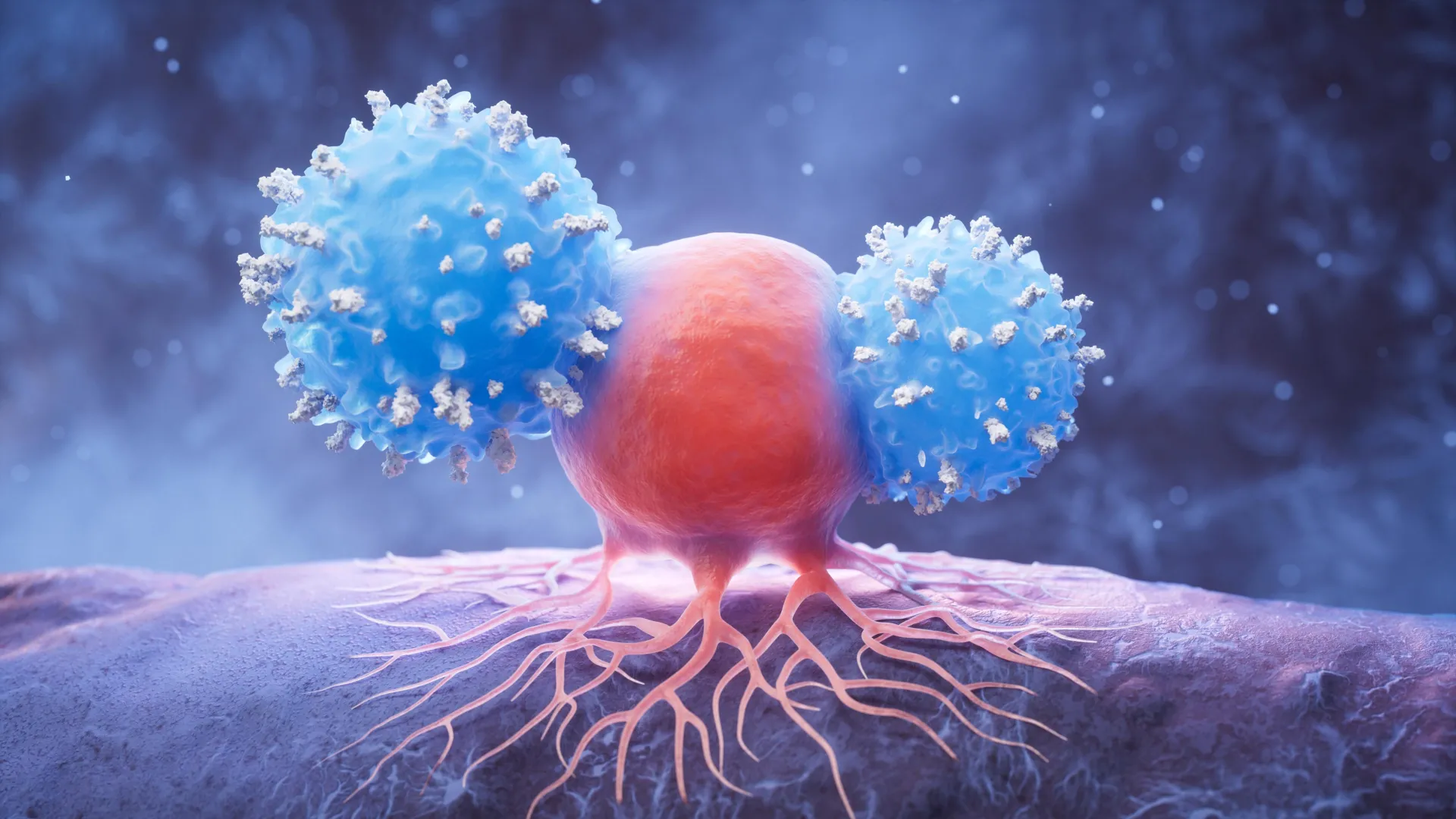
Researchers led by Dr. André Veillette have discovered that SLAMF6, a molecule on immune cell surfaces, helps cancers evade the immune system by suppressing T cell attacks—a mechanism distinct from previously known immune checkpoints. The team developed monoclonal antibodies that block SLAMF6's activity and showed promising results in laboratory and mouse studies. This discovery could offer a new treatment option for cancer patients who have developed resistance to current immunotherapies like PD1 and PDL1 inhibitors.
Scientists at the Montreal Clinical Research Institute have identified SLAMF6 as a previously unknown mechanism enabling cancer cells to evade immune responses. Unlike most known immune checkpoints that require interaction with tumor cells, SLAMF6 activates directly on T cell surfaces, reducing their ability to attack cancer, decreasing production of durable immune cells, and accelerating immune exhaustion. Researchers developed monoclonal antibodies designed to block SLAMF6's suppressive signals, which demonstrated increased T cell activation, larger numbers of durable immune cells, fewer exhausted T cells, and strong anti-tumor responses in mice. The findings, published in Nature and funded by multiple Canadian research organizations, suggest these antibodies could form the basis of a new class of cancer immunotherapies, potentially benefiting patients who no longer respond to existing treatments. The next phase involves early-stage clinical trials to evaluate safety and effectiveness in patients with solid tumors and blood cancers.
Limitations & open questions
The study's limitations are not detailed in this source, such as the specific mouse models used, the generalizability of findings to human cancers, potential side effects observed in preclinical testing, or the timeline for clinical trial initiation.
What different sources said
- Science DailyCenter
The secret reason some cancer treatments stop working
Related
New AI Framework Improves Evidence-Based Analysis for Muon Collider Research
Researchers have developed an AI system called agentic hybrid RAG that combines retrieval and reasoning techniques to help scientists find and verify evidence in muon collider research literature. The framework integrates both keyword-based and semantic search methods with AI reasoning to decompose complex queries and synthesize answers. This work addresses a growing need in high-energy physics for AI-assisted tools that can reliably navigate rapidly expanding scientific literature.

NASA Announces Four-Astronaut Crew for Artemis III Moon Mission
NASA named three U.S. astronauts and one Italian astronaut from the European Space Agency as the crew for Artemis III, scheduled to launch in 2027. The mission will conduct a docking demonstration in Earth's orbit and test moon landers from SpaceX and Blue Origin. The crew includes a veteran test pilot, a record-holder for longest U.S. spaceflight, and a first-time space flyer.
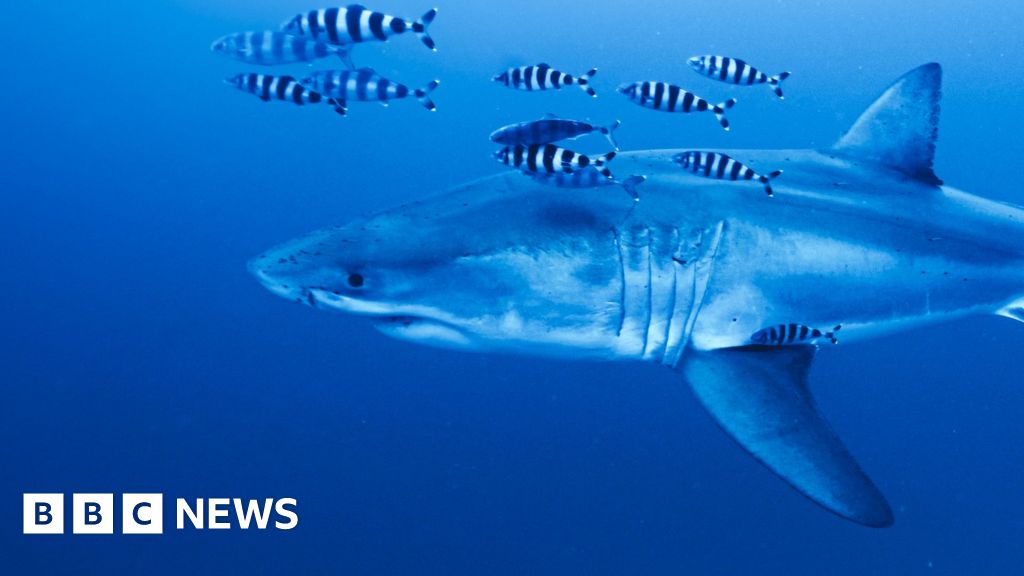
Rare Great White shark filmed in Mediterranean Sea between Tunisia and Sicily
A volunteer diver captured rare footage of a Great White shark in the Mediterranean Sea in May while working to document ghost fishing nets. The sighting is significant because Great Whites are thought to be near extinction in the Mediterranean due to overfishing. Conservationists hope the discovery will prompt governments to establish marine protected areas in the region.