Scientists Discover Ancient DNA from Woolly Mammoths and Other Extinct Animals in Frozen Squirrel Feces in Canada
Researchers in Canada's Yukon territory found a large collection of ancient DNA, including from woolly mammoths, wolves, and other extinct species, preserved in frozen squirrel feces buried in sealed burrows. The genetic material ranges from 3,000 to 700,000 years old and was discovered unexpectedly while scientists were studying squirrel microbiomes. The finding suggests that animal feces is an underutilized source for understanding how life has evolved over millennia.
Scientists at McMaster University in Canada discovered an extensive archive of ancient DNA preserved in frozen squirrel feces found deep within sealed burrows in the Yukon territory. The genetic material, dating between 3,000 and 700,000 years old, includes DNA from woolly mammoths, wolves, bison, horses, cheetahs, and hundreds of plant species. Lead researcher Tyler Murchie noted that the team had initially expected to study only the squirrel's microbiome but instead uncovered a "spectacular" and unexpected biodiversity of organisms. The discovery demonstrates that animal feces, particularly when preserved in frozen conditions within protected burrows, can serve as a valuable and previously overlooked resource for paleogenomic research. This finding provides rare insights into how ecosystems and animal populations have changed over hundreds of thousands of years.
Limitations & open questions
The article does not explain the specific mechanisms of how DNA is preserved in frozen feces or why squirrel burrows are particularly effective at preserving ancient genetic material compared to other sources. Additionally, there is limited discussion of how this discovery might specifically advance de-extinction efforts or other practical applications beyond general ecosystem understanding.
What different sources said
- South China Morning PostCenter
Scientists find woolly mammoth DNA while digging through squirrel faeces
Related
New AI Framework Improves Evidence-Based Analysis for Muon Collider Research
Researchers have developed an AI system called agentic hybrid RAG that combines retrieval and reasoning techniques to help scientists find and verify evidence in muon collider research literature. The framework integrates both keyword-based and semantic search methods with AI reasoning to decompose complex queries and synthesize answers. This work addresses a growing need in high-energy physics for AI-assisted tools that can reliably navigate rapidly expanding scientific literature.
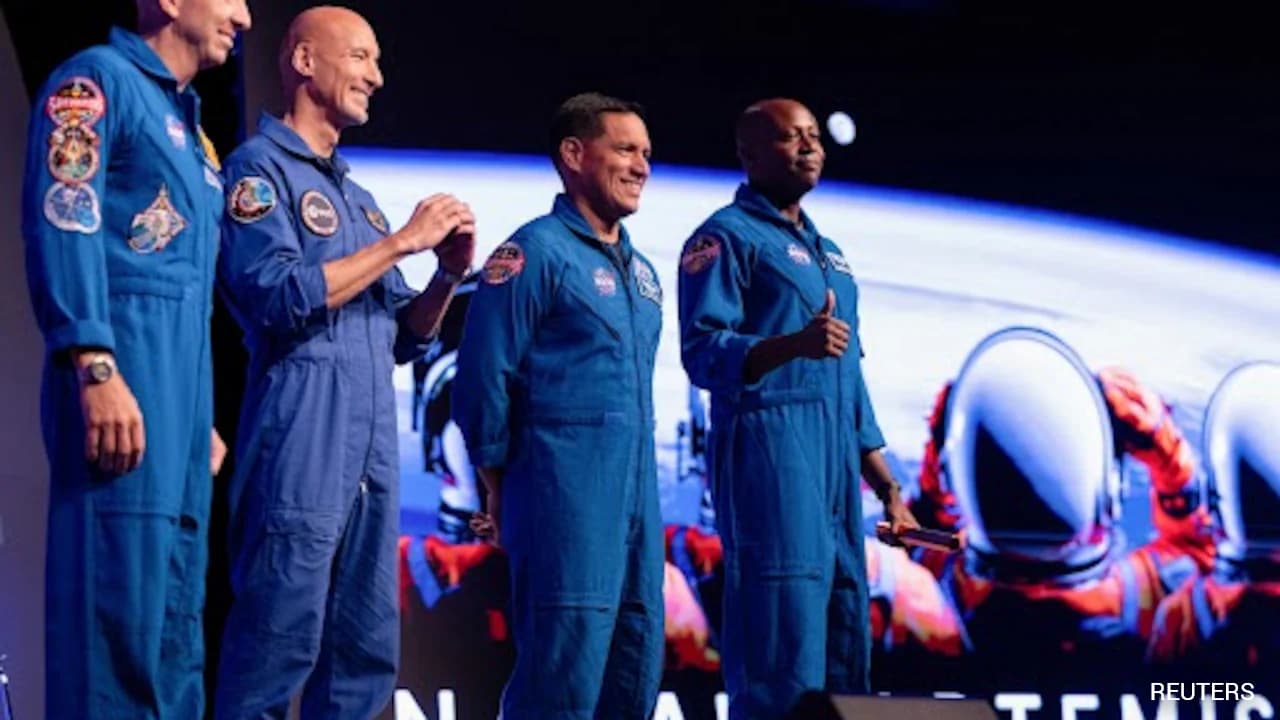
NASA Announces Four-Astronaut Crew for Artemis III Moon Mission
NASA named three U.S. astronauts and one Italian astronaut from the European Space Agency as the crew for Artemis III, scheduled to launch in 2027. The mission will conduct a docking demonstration in Earth's orbit and test moon landers from SpaceX and Blue Origin. The crew includes a veteran test pilot, a record-holder for longest U.S. spaceflight, and a first-time space flyer.
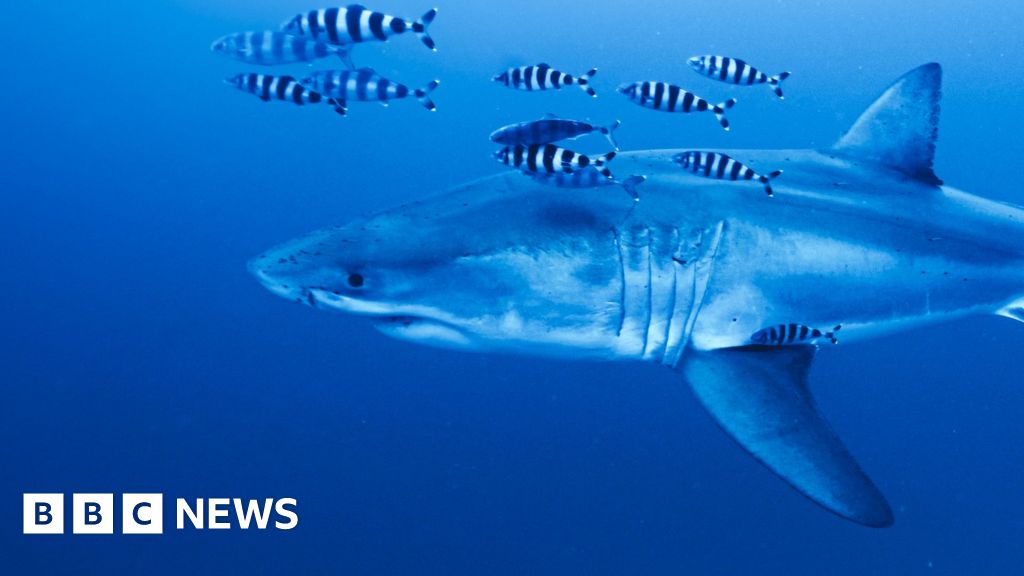
Rare Great White shark filmed in Mediterranean Sea between Tunisia and Sicily
A volunteer diver captured rare footage of a Great White shark in the Mediterranean Sea in May while working to document ghost fishing nets. The sighting is significant because Great Whites are thought to be near extinction in the Mediterranean due to overfishing. Conservationists hope the discovery will prompt governments to establish marine protected areas in the region.