Saudi Arabia's Economy Shows Resilience Despite Regional Tensions, IMF Says

Saudi Arabia's economy is weathering regional conflict through higher oil prices and supply chain adjustments, though the International Monetary Fund projects growth will slow to around 2% this year. The kingdom is benefiting from elevated oil prices that offset lower export volumes and reduce fiscal deficits, while business confidence rebounded in May as supply chains improved. Prolonged conflict could still undermine investor confidence and derail the country's economic diversification efforts.
According to the International Monetary Fund following a staff mission to Saudi Arabia, the kingdom's economy is demonstrating resilience to regional tensions through a combination of higher oil prices and operational agility in redirecting shipping and logistics routes. While overall economic growth is projected to fall to approximately 2% this year, the windfall from elevated oil prices is expected to reduce both current account and fiscal deficits. The latest Purchasing Managers Index showed business confidence rebounded to 52.8 in May—above the 50-point threshold indicating expansion—as a ceasefire largely held and supply chains improved. However, the index remains below its long-term average, and exports have contracted for a third consecutive month, with domestic demand providing the primary offset. The IMF cautioned that a prolonged conflict could damage investor confidence and undermine the country's broader economic diversification strategy.
What different sources said
- SemaforCenter
Saudi economy shows resilience even as war softens growth
Related
Higher Oil Prices Boost Russia's Government Revenue but Fail to Accelerate Economic Growth
Rising oil prices are increasing Russia's government revenue and current-account surplus despite Western sanctions, with every $10 increase in oil prices adding roughly $21 billion in budget revenue. However, severe labor shortages from military losses and emigration, combined with weak productivity, are preventing the economy from expanding beyond 0.9% growth in 2026. The oil windfall highlights structural constraints in Russia's economy that money alone cannot overcome.

U.S. Markets Stage Rebounds Following Chip Stock Selloff
U.S. markets have rebounded twice following a dramatic Friday selloff in chip stocks, with gains at Monday's open and Tuesday afternoon. The Nasdaq 100 remains down 4.25% for the month despite the recoveries, and volatility has increased sharply. The pattern reflects the market's traditional 'buy the dip' behavior as investors resist giving up recent gains.
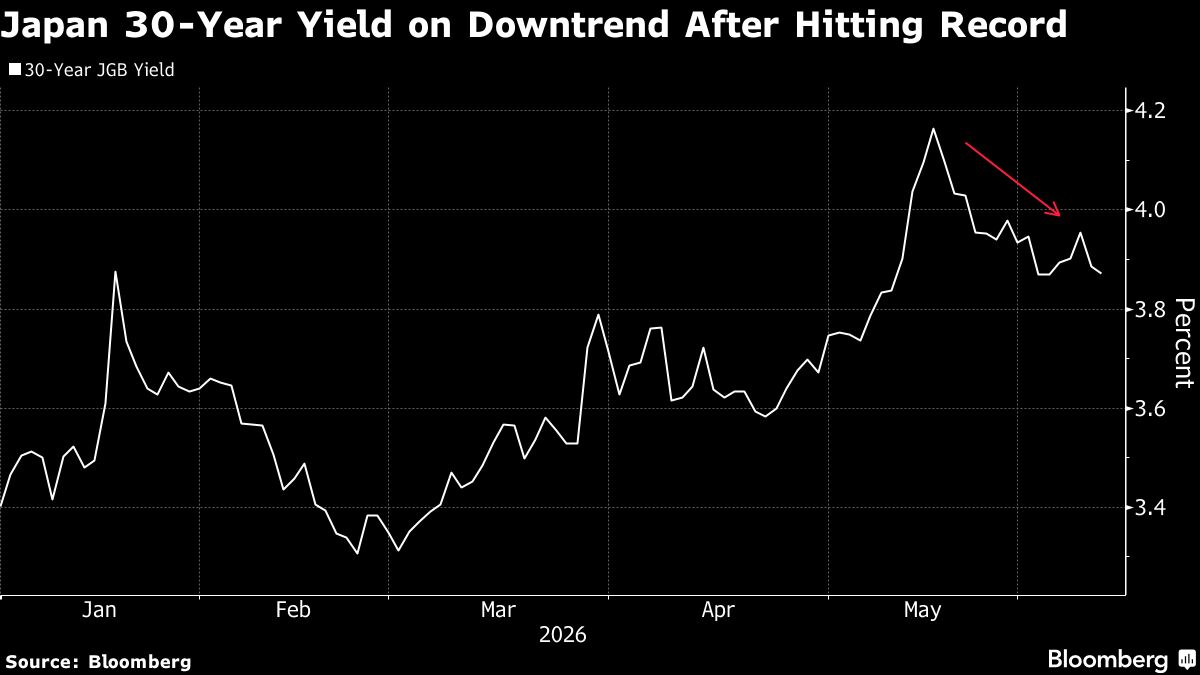
Japan's 30-Year Bond Auction Sees Weakest Demand in Over a Year
Japan's 30-year government bond auction on June 10, 2026 attracted the weakest demand since June 2025, with a bid-to-cover ratio of 2.94 compared to the previous 3.49. The decline reflects investor concerns over inflation and fiscal policy, as well as falling yields reducing appetite for the bonds. Weak bond demand can signal investor anxiety about Japan's economic outlook and fiscal sustainability.